Menu Bar

Home           Calendar           Topics          Just Charlestown          About Us
Showing posts with label Ken Swain. Show all posts

Monday, September 29, 2025

Charlestown taxpayers deserve this tax break

Time for action is now

By Will Collette

On Tuesday night, Charlestown’s Town Council begins the process that will hopefully lead to a tax break for those of us who make Charlestown our home with a 6 PM “workshop” on granting year-round homeowners a “Homestead Tax Exemption.”

Long opposed by the Charlestown Citizens Alliance (CCA) who were defeated in Town Council races in 2022 and 2024, the new Council majority, all aligned with Charlestown Residents United (CRU), resurrected this issue. 

Under Council President Deb Carney’s leadership, they won General Assembly approval to enact an ordinance that would provide up to a 10% tax break on the assessments of permanent residents.

Our state Representative Tina Spears (D) and Senator Victoria Gu (D) pushed our bill through to final passage.

The legislation allows Charlestown to implement this tax credit anytime after December 31. Starting now could allow the process to go forward in time to apply to the fiscal year starting July 1, 2026.

Town Tax Assessor Ken Swain and his crew put together a detailed analysis of the costs, benefits and precedents for setting up the tax credit program. Despite being full of numbers, their analysis is remarkably clear. You should check it out.

Fifteen Rhode Island municipalities have a homestead tax credit program on their books, not the 13 erroneously reported by the CCA. These include our coastal cousins in North and South Kingstown, Narragansett, Newport, Middletown and East Greenwich.

To understand how a homestead tax credit works, let’s review how the town calculates YOUR annual property tax bill, delivered every July, starting with the assessed value of your home.

The last revaluation year was 2023 where we learned that Charlestown property values skyrocketed due to the crazy prices being paid by non-residents for waterfront properties. Each of us got new tax assessments that were – as I expressed at the time – shockingly high.

The enormous jump in property assessments led to a dramatic decline in the second factor that determines your property tax bottom line: the tax RATE. The 2023 rate went from $8.17 per $1000 in property value down to $5.74. It has since creeped up to $5.93.

When the dust settled, most Charlestown residents paid pretty much the same bottom line as the year before. My tax bill went up slightly.

Now, as we begin the homestead tax credit process, the Charlestown Citizens Alliance once again seems focused on their singular obsession with the tax RATE:

Source: Charlestown Tax Assessor
“The estimated loss of tax revenue from the reduction in assessment value is $1,272,604.98. This will require an increase in the current tax rate of 29.94 cents. The current rate would then go from $5.93 per $1,000 of assessed value to $6.25… Charlestown currently has one of the lowest tax rates in the state. It is unknown what the long-term impact will be of raising taxes on vacation homes and businesses.”

Why the CCA continues to harp on the rate baffles me. During their ten years in power, the tax rate ranged from $7.44 in 2009 when they came in, to $8.17 when they went out, peaking in 2016 at $10.21. 

Swain’s working estimate of $6.25 as the rate after the tax credits are applied is far less than at any time during the CCA’s reign. If you judge how effective the CCA was solely by the tax rate, then the CCA are total losers.

Again, to truly judge a tax measure, you must look at both the rate AND the valuation. Only then can you grasp the bottom line. Fortunately, Ken Swain and his team give us some vital information.

These average tax savings INCLUDE the anticipated 30 cent tax rate increase meaning these are bottom-line savings. I confirmed this with Ken.

Who will benefit?

The General Assembly gave Charlestown broad authority but in its simplest form, all property-owning permanent residents qualify to get up to 10% knocked off their assessment.

Swain estimates the total tax savings of $1,272,604.98 for eligible permanent residents which will be recouped by a 30-cent rate hike paid by all property owners. 

There is a total of 3,338 potentially qualifying Charlestown households, depending on how the ordinance is written. An ordinance could set limitations on what types of property qualify.

The single largest bloc are 2,952 single-family residences. Of those, 2,571 are valued at under $1 million and 381 are assessed at $1 million or more, sometimes lots more.

The single largest group of single-family homes are the 1,279 assessed at between $250,000 and $500,000. On average, they stand to net an average tax break of $130.

If the final ordinance stays at 10% per assessed value, people with high-end homes will get bigger tax breaks. I’m sure there will be a lot said about that. Personally, I would favor setting a $1 million cap on the tax break, but I can live with the proposed numbers.

Data key: left column is assessed value ranges. Middle column are average estimated tax credits and right column is the number of properties in each price range.

Charlestown has come a long way since December 2011 when the Charlestown Citizens Alliance (CCA) and a mob of its wealthy non-resident political backers stomped the first effort toward a homestead tax credit to death.

Claiming it would be unfair and socialistic, and that it would foment class war and force the CCA’s benefactors to leave, it was clear that full-time residents would never see any tax relief as long as the CCA controlled town government.

This time around, the CCA’s opposition is more muted, focused on the tax rate, the tax rate, the tax rate and not the substance.

The Taylor Swift Tax rates
Plus, the CCA no longer controls new town government. Remember that when you vote in December's special election.

The state of Rhode Island recognized the impact of wealthy folks paying huge sums for coastal properties by just enacting the “Taylor Swift Tax.” That imposes a substantial tax levy as shown in this table:

They can afford it. Because non-residents have come to dominant Rhode Island’s housing market, especially in South County, the prices of real estate have climbed to the point where you can’t buy unless you’re wealthy.

Johnny Sheil of Mott & Chace Sotheby’s International said in an interview on GoLocalLIVE. “Right now, we have 16 deals pending and I would say it is 50% [out-of-state buyers.]”… "I would say [that] other 50% — the out-of-staters — many of them are just trying to find a second home, maybe an investment property of some sort, just to kind of park some money in.”

Patch reported similar findings:

"Roughly one in four residential sales involved buyers from other states in 2024, and those buyers accounted for an outsized share of high-end transactions," the institute said, identifying out-of-towners as the purchasers in about 42% of sales exceeding $1 million.

"That external demand has amplified already-tight supply, pushed up median prices and rents, and concentrated competitive bidding in coastal towns, Providence-area neighborhoods and desirable suburbs," the institute said, noting those weren't the only areas affected, as "external demand is concentrated in the upper tiers but meaningfully present across the market."

That final point about how non-resident home-buying is spread across the market is borne out by Charlestown home sales. While virtually every million-dollar plus residence has been bought by non-residents, so have homes in other price ranges.

One final note about Charlestown real estate data is that just about every recent seller got more than their home’s assessed value not just the mega-million properties. In 2013, I scoffed at the high assessments that came out of the town revaluation, expressing my doubt that anyone other than shoreline mansion owners would be able to sell at their assessed value.

I was wrong, though in a way I was also right. Every recent record of sale I searched, regardless of price, showed the sales price was higher than assessed value. Who knows how long the bubble will last, but for now, it’s a sellers’ market.

Monday, July 31, 2023

What's behind your new Charlestown property tax bill?

Higher assessments and lower tax rate and other important tax issues 

By Will Collette

A Connecticut couple bought this Charlestown property in
May of last year for $9,500,000. It is
currently assessed at $9,187,800
Like other Charlestown homeowners, I just received our new property tax bill containing an anticipated modest hike that covers increased town expenses.

That bill comes due tomorrow, August 1.

This year’s town budget passed with almost no drama, unlike previous years where voters had to contend with financial improprieties (e.g., the $2 million “oopsie”), audit flags for budget mismanagement, shady land deals and false claims from the Charlestown Citizens Alliance (CCA) that the only thing that matters is the town’s low tax rate.

This year, the tax rate plummeted largely due to mega-million real estate buys by rich people from out of state that pushed up nearly everyone’s property assessments. Yes, homes went up in valuation, though that hardly translates into money in your pocket though it does mean added tax costs out of your pocket.

$1,000,000+ purchases in Charlestown since the first of the year

Rhode Island IS one of the states but municipalities
have to apply. Providence does. So does Newport. And
Narragansett, North and South Kingstown.
But NOT Charlestown, thanks to the CCA.
This phenomenon of rising home assessments, not to mention higher infrastructure costs, caused by non-resident homeowners, is common along the shoreline. 

It has led many of our neighbors (e.g. South Kingstown, Narragansett, North Kingstown and even Newport) to institute “Homestead” tax breaks to compensate full-time residents for this cost.

Not Charlestown, though – the CCA bitterly opposed a proposal from town Democrats for a Homestead Tax Credit. I think it’s an idea that should be revisited.

Central Quonnie's 4+ acre tennis club, assessed at $130,100
Other than Charlestown’s two fake fire districts – Central Quonochontaug and Shady Harbor, who pay little or no tax on the tens of millions of dollars of real estate they own – the rest of us received assessment revaluations averaging around 50%.

Neither “fire district” actually fights fires. They use their property like a homeowners’ association with private beaches, water systems, recreational facilities including a tennis club and more. If they paid tax on their properties at fair market value, it would further reduce everyone’s taxes. But under this outrageous system, it’s the taxpayers who are subsidizing these fake fire districts.

I have a proposal: strip fire districts that have no capacity to fight fires of their tax-favored status. Make them pay like the rest of us. 

Use the new revenue to address Charlestown’s chronic shortage of volunteer firefighters by offering a generous annual tax break. There may even be enough money gained to jumpstart a Homestead tax credit.

I know some families have more than one firefighter in the household. No problem. Let the family accumulate the credits. Under our existing tax policies, veterans are allowed to accumulate more than one tax credit, and no one seems to have a problem with that. If a firefighter doesn’t own a home, let the credit be applied to car tax, or be rebated directly.

So, now back to property values and finances….

The assessment of our North of One house and land increased by 65%. But, despite that huge jump in assessment, our total tax went up by only $793 due to the new tax rate. 

You can run the numbers for your own property using Tax Assessor Ken Swain’s handy new data page HERE. Ken and his staff did a great job of presenting the new tax data in a user-friendly way.

In keeping with its obligation to present a balanced budget, the big rise in the total value of taxable property was largely offset by dropping the tax rate from $8.17 per $1000 last year to $5.74 this year, almost 30%.

To get to this point, Charlestown had to go through a painful audit with a new firm, Marcum LLP. They replaced our old auditors who resigned rather than be fired after large scale financial mismanagement came to light. The Marcum LLP audit spotlighted significant defects in the way the CCA-run town government managed our money.

After that audit, Marcum LLP tried to pile on an outrageous extra charge of $55,992 even though they knew going in that the audit was going to be complicated by the mess left behind by the old CCA Town Council majority and ex-Town Administrator Mark Stankiewicz.

The new Town Council majority (CRU) refused to pay and negotiated the bill down to a fraction of what it was ($18,000) and then fired Marcum LLP.

Shortly after that, the federal Securities and Exchange Commission released a statement noting that Marcum LLP had committed “systemic quality control failures” and agreed to pay a $10 million fine. From the SEC’s June 21, 2023 news release:

The Securities and Exchange Commission today charged audit firm Marcum LLP with systemic quality control failures and violations of audit standards in connection with audit work for hundreds of special purpose acquisition company (SPAC) clients beginning at the latest in 2020. The SEC’s order also found that Marcum’s deficiencies were not limited to SPAC clients, but they reflected systemic quality control failures throughout the firm. Marcum agreed to pay a $10 million penalty to settle the charges.

I am not privy to Charlestown’s internal legal strategy, but I would hope they are considering moves to recover the $18,000 we paid Marcum to settle their $55,992 bill for extra work.

Based on Charlestown’s bad experience with Marcum LLP plus the SEC charges, the Chariho School Committee voted 11-0 to terminate their contract with James Wilkinson of Marcum LLP.

There was one abstention: CCA-sponsored School Committee member Donna Chambers who has yet to publicly explain why she abstained on such a no-brainer.

Maybe she had not received her instructions on how to vote from the CCA Steering Committee (or forgot what they were).

A deeper dive into taxes and property values

Real estate data firm Stacker currently rates Charlestown as the 12th most expensive area in the metro area with a “typical” home value of $604,442. Over the past five years, home prices in Charlestown grew by 54.8%, up $213,959.

A couple months ago, the Providence Journal published an article listing the top 30 taxpayers in Charlestown. Spoiler alert: neither the Quonnie or Shelter Harbor fake fire districts made the list.

All but one are multi-million dollar seaside estates.

Here’s is the Journal’s list of top Charlestown taxpayers:

1. Joseph N. Walsh III & Barbara Walsh, 21 Dowd Drive — $55,540. Besides its seven bedrooms and seven bathrooms, this estate has a separate one-bedroom, 1,600 house on its 2.78 acres. The property was assessed at $6.8 million.

2. 264 East Beach Holdings, 264 East Beach Rd. — $47,644. This seven-bedroom, seven-bathroom house has an inground pool on 4.57 acres. The property was assessed at $5.8 million.

3. H. David & Tracy L. Overbeeke, 648A West Beach Rd. — $41,671. This four-bedroom, three-bathroom house has an 816-square-foot detached garage on 2.12 acres. The property was assessed at $5.1 million.

4. Dowd Drive Realty Trust, 27 Dowd Drive — $37,656. This three-bedroom, two-bathroom house sits on 0.72 acres. The property was assessed at $4.9 million.

5. Stephen H. Long Revocable Trust, 38 Ninigret Ave. — $35,664. This four-bedroom, four-bathroom house sits on 0.89 acres. The property was assessed at $4.4 million.

6. Dolores Cusson Qualified Personal Trust, 93 Surfside Ave. — $34,746.

7. Brooke N. Muggia Revocable Trust, 75 Surfside Ave. — $32,361. 85

8. Surfside Avenue LLC, 85 Surfside Ave. — $31,879.

9. Kelly Hickey Crawford Revocable Trust, 165 Surfside Ave. — $31,060.10.

10. Gregory B. Howey Surfside Qualified Personal Trust, 109 Surfside Ave. — $30,956.11.

11. Joan B. Gurney Life Use, 25 Dowd Drive — $30,728.12.

12. Timothy A. & Beverly C. Holt, 175 Surfside Ave. — $30,590.13.

13. Sean H. Reynolds, 159 Surfside Ave. — $30,433.14.

14. Jeffrey W. & Kathryne A. Gardner, 89B South Arnolda Rd. — $30,262.15.

15. 2016 Rhode Island Trust, 179 Surfside Ave. — $30,181.16.

16. Denis G. & Nancy A. Gagnon, 3 Wells Lane — $29,033.17.

17. Charles A. Glew, 5790B Post Rd. — $28,602.18.

18. Thomas C. Uger, 75 Ocean View Ave. — $28,062.19.

19. 101 Surfside LLC, 101 Surfside Ave. — $27,880.20.

20. Laura A. More Revocable Trust, 34 Ninigret Ave. — $27,83421.

21. Alexander S. Ehrlich Revocable Trust, 187 Warren Rd. — $27,616.22.

22. Robert K Miller III Revocable Living Trust, 182 Surfside Ave. — $27,365.23.

23. Keith W. & Catherine A. Swaby, 137 Southern Way — $27,118.24.

24. Roberta Peet, 57 Surfside Ave. — $26,854.25.

25. Brian J. & Tiffany S. Van Elsander, 89 Surfside Ave. — $26,588.26.

26. DLM Ninigret Cove Trust, 209 Cove Point West — $26,491.27.

27. Kimberly G.F. & Robert P. Anderson, 335 West Beach Rd. — $26,427.28.

28. Martha G. Kellogg Personal Residence Trust, 153 Surfside Ave. — $26,378.29.

29. James P. & Lisa M. McConnell, 359 West Beach Rd. — $25,974.30.

30. ChurchWoods LLC, 4110 Old Post Rd. — $25,936

ChurchWoods. Their assessment is thirty times higher than
Quonnie's tennis club. Both properties are just above 4 acres
I cannot fathom how ChurchWoods got on the list. They are a small, affordable housing complex for low to moderate income senior citizens. 

It was built on land from the Episcopal Diocese of Rhode Island. Their assessed value for Charlestown tax purposes is $3,964,200. Compare that to Central Quonnie's  tennis club (see above) appraised at only $130,100.

That they should be on the list and not the Central Quonnie or Shady Harbor (fake) Fire Districts is disgusting.

I don’t mind paying taxes, but I am outraged at unfair taxation. I’ve written about numerous instances of CCA-driven tax inequities. The CCA leadership knew about them, but over their decade of power over Charlestown’s affairs, they not only did nothing but made the inequities worse. I suggest this is a subject our new town leadership should examine closely and then take action.

Friday, June 2, 2023

Still time to vote on Charlestown’s budget

June 5 deadline

By Will Collette

You still have time to vote for Charlestown’s $16 million municipal budget. As a formality, the budget ballot – mailed to every voter in town – also lists the $14 million Chariho budget which has already been approved in a separate vote of voters in the three Chariho towns.

You can send in that ballot by mail – though do it now to make sure it arrives on time – or put it in the drop box at Town Hall, or you can vote in person next MONDAY. I sent in my “yes” vote over a week ago.

This is the first budget not written by the Charlestown Citizens Alliance (CCA) since 2010 when they took over Charlestown. As anyone who has been paying attention knows, the CCA was routed at the polls last November by Charlestown Residents United (CRU) who hold the Council with a 4-1 majority coalition.

Budget issues were a major factor in that election.

This year’s budget is strangely without drama but not without a high element of weirdness. The weird part is the extent to which sky-rocketing tax assessments (50% on average) jacked up the tax base. The practical effect is to lower Charlestown’s tax rate to an unprecedented level. The current estimate is a rate of $5.74. Calculate your estimated taxes HERE.

For all the years the CCA ruled Charlestown, they touted Charlestown’s low tax rate as their crowning achievement, never mentioning that the rate is solely dependent on the tax base because your taxes equal the rate times your tax assessment.

This new tax rate is the lowest in historical data listed on Tax Assessor’s Ken Swain’s chart found HERE. I wonder how the CCA will spin that. 

I predict that CCA leader Ruth Platner will take the credit for her crafty use of taxpayer money to buy land the town didn’t need at criminally inflated prices.

See the whole budget HERE.

Finance shake-up

Last December, when the RI Public Expenditure Council released its annual report on municipal finance, Charlestown came off very badly, with administration costs the highest in the state.

When our last auditors revealed a “$3 million oopsie,” a misplacement of money that led to a string of budgeting errors, no one in the CCA administration wanted to take responsibility, though they were very willing to spin, distract, and lie as best they could. Other uncovered errors were given the same treatment.

The auditors resigned a step ahead of being fired and the new auditors reviewed the years of errors citing the town for three significant categories of financial mismanagement. All those CCA claims of being premier money managers went down the toilet and they paid for it at the polls.

The CCA lost its majority and their golden boy Mark Stankiewicz had already lined up a new town administrator job, unbeknownst to the CCA, in Berkley MA. Stankiewicz’s prodigy Town Treasurer Irina Gorman has since resigned.

Stankiewicz only lasted six weeks in Berkley before he either jumped off or was pushed. 

A confidential source told me he’s now Finance Director in Pawtucket, even though he’s already told co-workers that he’s “no finance guy,” as his Charlestown record confirms. The source also tells me Irina Gorman will be following him.

Obviously, we need new, better financial management.

This year’s budget creates a new position of Charlestown Finance Director. Hopefully, we’ll find someone actually qualified and motivated to do the job. The budget allocates $187,000 to get that going.

Ditto on finding a new Town Administrator, although I’d be fine if interim TA, former CPD Chief Jeffrey Allen, stayed on. And double ditto on finding a new town Treasurer.

It’s also well past time for Budget Commission chair Dick Sartor to resign. He shares blame for much of the financial mismanagement. His leadership after the slip-ups became public was more about image management than about problem solving. Dick – it’s not a lifetime position.

Thursday, March 23, 2023

Sticker shock from new Charlestown tax assessments

Charlestown’s tax base rockets up by 47%: how this will affect your taxes

By Will Collette


Charlestown property owners received letters this week from town Tax Assessor Ken Swain showing the results of the town’s full reassessment of property values.

Before the reassessment, Charlestown’s “Grand List,” the total value of taxable property, was $2.88 billion. The new number is $4.22 billion, a rise of $1.34 billion or 47%. This will mean higher taxes for some, lower taxes for others and for some, almost no change at all.

Big bucks being paid mostly by wealthy out-of-staters for shore property propelled this increase in the total tax base. However, on a personal level, this has meant an assessment hike for nearly all of the rest of us, averaging around 50%.

For example, Cathy and I received Swain’s notice that the assessment on our home and adjacent vacant lot, five acres total, rose by 65% to just under $1 million ($998,000).

In past articles about fake fire districts, two of which are in Charlestown, I compare our 2.5-acre north of One vacant lot to a 2.5-acre vacant lot owned by the Central Quonochontaug (Fake) Fire District. Both are zoned R3A. Our 2.5-acre lot is now assessed at $262,300 while its southern counterpart is assessed at only $33,700.

We’ll get back to that issue: how the Central Quonnie and Shady Harbor (also fake) Fire District evade Charlestown property taxes when neither Fire District actually fights fires. In reality, they are both jumped up homeowner associations who gamed the system. Anyway, more on that later.

Incidentally, Ken Swain’s office maintains a free, open database you can access for data on every property in Charlestown. CLICK HERE. All information disclosed in this article is public.

For years, the Charlestown Citizens Alliance (CCA) focused only on the tax rate, noting how low it is compared to most other municipalities, including those that provide far more services for the money. 

But in the real world, what you actually pay in taxes is the product of multiplying the tax rate (projected to drop to $5.71 per $1000 in value from the current $8.17) times the assessment.

My friend and Progressive Charlestown co-founder Tom Ferrio did this analysis for Charlestown Residents United:

New Valuations and Taxes

Use our tax calculator below to estimate you taxes with the new assessment value.

The new Charlestown property valuation letters arriving in the mail have caused a lot of discussion and concern, with many property values increasing by 40% to 50%.

It is very important to understand that a new tax rate is computed every year based on the budget for the town and the total value of the properties in the town. The assessed value of your property going up does not mean that your taxes will necessarily go up - with the inflation in property values over the last several years, the effect on your taxes depends on whether your property value went up more or less than the average increase in our town.

The town website has posted an estimate of the tax rate for 2023-24 tax year based on the new property valuations and the current draft budget. That estimate shows the tax rate dropping dramatically: from $8.17 per $1,000 valuation in the current year to $5.71 for the 2022-2023 fiscal year.

Incredibly easy to use. Plug in the old and new
assessments that are in Swain's letter.
We have provided this online calculator to see your current and projected taxes.

You can get your assessment valuations from your recent letter ( Old Assessment and New Assessment) or the tax database here (2021 Total Valuation and 2022 Total Valuation).

Or you can compute the taxes manually:

Multiply your 2021 Total Valuation divided by 1000 by $8.17 to get a tax bill estimate for next year.

Multiply your 2022 Total Valuation divided by 1000 by $5.71 to get a tax bill estimate for next year.

Thanks, Tom. I used Tom’s calculator to project our new tax bill. It looks like Cathy and I will be paying an additional $250.

When Cathy and I bought our house in 2000 and the adjacent lot in 2001 for a total of $396,000, we never expected to be property millionaires. Thanks to the buying binge by non-residents, lots of us full-time Charlestown residents saw the theoretical (and taxable) value of our homes skyrocket.

Can we actually sell our property for a million bucks? We can ask, but we might not get. Ex-CCA Town Councilor Bonnita Van Slyke put her Arnolda waterfront estate on the market for $3 million. After a year of no takers, she ended up settling for $2 million.

Mortgage rates are at a 15-year high and there is a limit to what the market for homes for working families will bear. While rich New Yorkers may slap down the cash here in Charlestown because our prices beat the Hamptons, it’s a different market north of Route One.

The Providence Journal notes there is an overall shortage of houses, especially acute under $500,000. Even though CCA leader Ruth Platner does not believe in the law of supply and demand, the market does. Shortages really do drive up prices, despite what Ruthie thinks. 

Right now, you need to be rich to get what you want in the housing market. The only proactive step we can take to bring prices down to some semblance of affordability is to increase the supply.

I think there are three take-aways from the new tax assessment numbers.

First, fake fire districts need to be abolished.

Unless a fire district actually devotes most of its resources to fighting fires, it is not worthy of the name. Indeed, these phony fire districts are an insult to real firefighters.

We have two fake fire districts: Central Quonnie and Shady Harbor. There are more than a dozen others dotting the coast. You can read more about them in Alex Nunes excellent series on fake fire districts on The Publics Radio. CLICK HERE.

Shady Harbor FD pays ZERO property tax to Charlestown despite owning six prime pieces of coastal real estate. Their 19.26 acres total includes a private beach where public access is strictly forbidden, a dock, boat launch, three vacant lots on Meyerand Drive and a pumping station for private water, assessed at $247,900 though actually worth millions. The Fire District pays nothing.

Central Quonnie is not tax-exempt, but its property tax assessments are insanely low, as the example I used comparing my 2.5-acre vacant lot with a similar lot owned by Central Quonnie where my assessment is eight times higher than Central Quonnie’s.

Part of Central Quonnie's portfolio, this 4.1-acre tennis 
complex is assessed at only $130,100 
(Charlestown Tax Assessor) 
They own 10 prime coastal properties totaling 38 acres with tennis courts, a sports field, private beach docks, boat launches and a beach club as well as a private water system plus five vacant lots on Surfside Ave. 

Their total assessed, taxable value for all that prime property is $738,323. If they weren't masquerading as a fire district, their assessment would be in the tens of millions. 

Almost 60 prime shore acres owned by the two fake fire districts are not being taxed fairly or at all. We are subsidizing two homeowners’ association to the tune of millions of dollars. That’s just wrong.

Second takeaway: full-time residents deserve a tax break.

The CCA, which counts on non-residents for political donations, has been adamantly opposed to the whole idea of the “Homestead Tax Credit.”

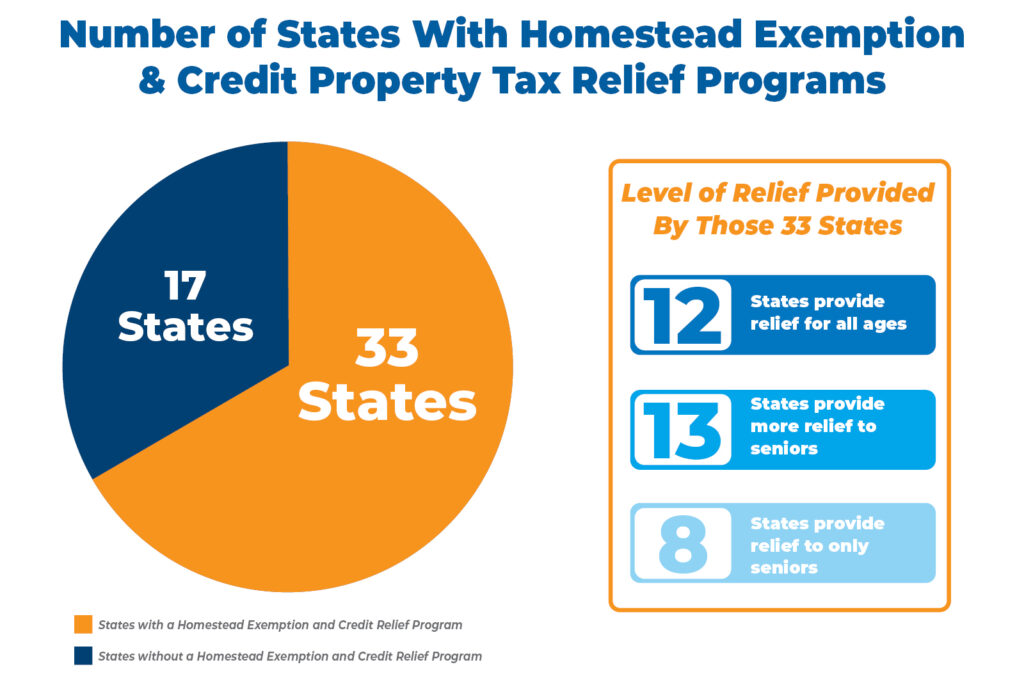
Homestead tax breaks are available in just about every state and are a common practice among coastal communities like Charlestown to compensate those of us who call Charlestown home for the added costs we pay for our summer people.

Narragansett has had this popular program for several years. North Kingstown added it a couple of years ago. Newport is adding it this year.

Homestead tax breaks can be designed in several different ways to reduce full-time homeowners’ taxes. A simple option would be to simply assign a dollar figure, maybe $1000 as town Democrats suggested in 2011, or $5000 or whatever is fair and affordable, to be credited against your tax bill. Or it could be a percentage of your assessment. I like the dollar amount for its simplicity.

Whatever the reduction in taxes for full-time resident homeowners costs the town, it's added back through the tax rate paid by all taxpayers. 

The CCA screamed about the “unfairness” of town Democrats’ proposal in 2011 calling the idea “discriminatory.” It's not, especially since part-time residents probably get a homestead exemption where they live.

Summer visitors can triple Charlestown’s population. Taxpayers support a year-round infrastructure to accommodate that surge in visitors from Memorial Day to Labor Day. We pay for their services. We pick up their trash when they leave it by the roadside. We are also paying for them through our higher tax assessments as their properties drive up housing costs.

Third takeaway: we need to make sure our tax credit system serves those who need it.

Charlestown has an array of tax breaks available to veterans, the blind, handicapped, disabled and low-income elderly. I have long advocated for a new tax credit for volunteer firefighters both as a reward for standing ready put their lives on the line for us and to aid in recruitment and retention.

Do all individuals and households who are eligible even know these tax breaks exist? Qualified property owners need to apply – no one gets the tax break automatically. Links to the tax breaks for most categories plus the FFOS (Forest, Farm and Open Space) tax break are now on the Tax Assessor’s Office web page (left-hand column). 

I would like to see the town do a special issue of the Pipeline mailed to all households.

Whether you see the huge rise in property assessments as good news or bad news, it’s all the more reason why Charlestown needs to take a cool, critical look at tax policy fairness. 

Taxes are the price we pay for a civilized society. While we may never develop a perfect system, we should nonetheless continue to make improvements whenever and wherever we can.

Sunday, March 12, 2023

Using our land wisely

Moves, good and bad, to make room for homes and businesses

By Will Collette

One of the biggest challenges facing Charlestown and the rest of Rhode Island is how to house our people. It affects whether people can afford to stay in Charlestown or Rhode Island in general or whether people or businesses will move here.

It’s a complicated problem without an easy solution. It’s complicated by land loss due to climate change, the economy, interest rates, the cost of building supplies and consumer debt.

Our first-term state Senator Victoria Gu (D-Charlestown, Westerly, South Kingstown) was interviewed on the subject by Public’s Radio analyst Ian Donnis. Here’s what she had to say:

State Sen. VICTORIA GU (D-Charlestown): 

I’m glad to have House and Senate leadership that takes the rising cost of housing seriously. Our towns in South County have not made much progress toward the goal of having 10 percent of our housing stock be affordable, and while the towns bear some responsibility for that, it’s worth noting that we have only one nonprofit developer in the area (South County Habitat for Humanity), and Washington County Community Development Corporation is defunct.

“So even with the $166 million RFP released this year for affordable housing construction, we lack developer capacity. That’s a shame because our town councilors and residents here have many ideas.

“A South County approach to housing will mean 1) tackling our severe shortage of year-round rental housing, through accessory dwelling units and regulations on Airbnb 2) repurposing land we have already developed: old commercial buildings, motels, etc. 3) putting in more infrastructure (septic, water) and public transit to support affordable housing 4) building for climate resiliency, planning for sea level rise, and minimizing the degradation of our groundwater, wetlands and salt water ponds.

“I’m glad that some of these ideas are in the housing bill package that Speaker Shekarchi announced on Thursday. In the coming year I will make sure to advocate for resources and technical assistance to help our towns carry out their ideas for affordable housing.”

Climate change and Charlestown’s tax base

You would expect housing prices to take a hit from climate-driven rising waters and the greatly increased danger of storm damage and flooding. But according to Boston.com, citing a report from the Environmental Defense Fund and its partners, New England homes are overvalued by $10 billion.

Only Rhode Island and Connecticut have laws requiring disclosure of flood risks to potential buyers, but the EDF report deems these laws to be “inadequate.” Thus, rich out-of-staters keep buying shoreline properties, which is good for Charlestown’s tax base, but raises housing prices above what working families can afford.

In concrete terms, a new report by Stacker ranks Charlestown as having the 11th largest rise in home prices in southern New England. They show the typical home value in Charlestown as $568,943, with a 1-year gain of 6.8% and a 5-year price change of 51.3%.

We’ve been ranked higher, but market pressures, such as rising interest rates, affecting home buying more than the effects of our climate crisis. But all we need is one bad hurricane hit to change all that.

But so far, Charlestown’s property values continue to surge. On March 1, at an official town Workshop on Revaluation, Charlestown Tax Assessor Ken Swain reported that our accessible tax base (called the Grand List in some jurisdictions) has risen to $4.22 billion

Odds are you will soon receive a notice from the town showing that the tax assessment on your property as gone up, perhaps substantially.

During its years of control over Charlestown, the Charlestown Citizens Alliance (CCA) touted Charlestown’s relatively low tax rate without discussing how that rate is propped up by rising home prices. As everyone except the CCA seems to understand, what you pay in taxes is the assessed value of your property multiplied by the tax rate.

Still curious

Like me, you might be wondering what’s happening or going to happen at 5407 Post Road. We know about this property because of a February news release sent out by the real estate agent who sold it. That release told us that some person or persons unknown paid $2.7 million to buy the 12 acres at 5407 Post Road.

The site, currently occupied by the derelict old Lobster Pot Restaurant and long-closed Ocean View Motor Inn, includes a 23-lot trailer park up the moraine and behind the trees. 

Town records now show that long-time owner Nancy Brooks transferred the property to a new company 5407 Post Road LLC on January 24 for $10. The LLC was registered in Rhode Island last November. There’s little added detail on the new owners in the Tax Assessor’s database.

The Secretary of State’s corporate database shows Nancy Brooks as the “Resident Agent” but the company’s address is now 29 Valley Drive in Greenwich, CT.

That building in Greenwich houses several companies as well as a post office. Some of the listings seem to be simply mail drops. The company does not show up in a search of the Connecticut business database.

In their last filing with the state of Rhode Island on January 30, the company made this change to its description: “THE ENTITY'S TAX STATUS AS A DISREGARDED ENTITY SEPARATE FROM ITS MEMBER(S) IS HEREBY AMENDED TO BE TAXED AS A PARTNERSHIP”

Signing the form as the “Responsible Person” was Vincent Troisi who is not listed in Charlestown records as a property owner.

So who cares? Certainly the 23 households living in the trailer park do. So do the rest of us, given the conspicuous location of this property.

Some residents have noted the “For Rent” sign in front of the old Lobster Pot, Given the decrepit state of the building, I don't what a prospective tenant would do with the site. Putting new railing on the old decking doesn’t seem to have much point.

How long before the mysterious new owners reveal their plans for this major piece of property?

We have a long way to go to resolve our affordable housing and business development problems after 12 years of open hostility to both by the Charlestown Citizens Alliance (CCA). But the new Town Council, with a 4-1 majority held by Charlestown Residents United (CRU), seems to have a much more open-minded attitude.

Wednesday, November 30, 2022

Charlestown dreaming

What can we hope for from the new CRU Town Council majority?

By Will Collette

Congratulations to the new Charlestown Residents United Town Council majority, L-R Deb Carney, Rippy Serra, Grace Klinger and Steve Stokes. They are being sworn in on December 5.

For the first time since 2008, we will soon see the first Town Council sworn in that does not have a Charlestown Citizens Alliance (CCA) endorsed majority. The new majority were endorsed by Charlestown Residents United (CRU) and consist of one Democrat and three Republicans. Only incumbent CCA councilor Susan Cooper managed to win a seat.

Like the majority of Charlestown voters, I am hopeful that this new coalition government will not only be able to get along but will also bring about significant changes in Charlestown’s policies and practices, starting with lifting the iron curtain the CCA imposed on citizens’ access to information.

For the past two year in particular, Town Administrator Mark Stankiewicz seemed to go out of his way to find loopholes to make it harder to get information under the Access to Public Records act. This was especially true of information on Planning Commissar Ruth Platner’s land deals and town finances. Stankiewicz’s kind of public access meant be charged hundreds of dollars to get pages that were mostly blacked out like this example:

I hope it becomes town policy to make it easier, not harder, to get public information.

And for his gleeful participation in CCA's shady dealings and for covering them up, I think the new Council should look to replace Stankiewicz as soon as possible.

I hope this new majority will see the value in better relations with our neighbors, the Narragansett Indian Tribe. It’s time to cut loose the public face of Charlestown’s jihad against the Tribe, attorney Joe Larisa, whose retainer and expenses amount to $25,000 or more to do nothing but watch the Tribe and thwart any effort the Tribe makes to uplift itself.

The Council fired him once already, but he was rescued by CCA Councilor Susan Cooper, the only CCA controlled member of the current Council.

After Larisa goes, it’s long past time to sit with the Tribe and discuss mutual interests with respect and open-mindedness. I don’t know where such discussions might lead, but at least we must try. Our chances of a productive outcome are greatly increased without the incendiary presence of Joe Larisa.

We should take a good look at our financial management especially after last year’s $3 million “oopsie.” We need an honest, unbiased outside review to make sure we have the right safeguards in place to avoid future “oopsies” and to make sure we have the right management staff and oversight. What we don’t need is another rubber stamp of shoddy financial practices.

I think it would be smart for the new Council to commission a thorough review of Charlestown’s property tax policies. Even though our tax rate is low, our taxes rise every year regardless of the rate due to rising assessments. We also pay out of pocket for services that other municipalities provide as part of the package.

Traditionally, taxes reflect community values. Taxes don’t just fund the basic operations of government, like education and emergency services. Taxes are a way we support who and what we like and what we want to discourage.

In Charlestown, property tax breaks are given to veterans, the blind and disabled, low-income elderly, plus property under the Farm, Forest and Open Space program or with some form of conservation easement. NOTE: if you fit any of these categories, you must apply to get the tax break. You don’t get it automatically. You should contact Tax Assessor Ken Swain before March 1st to see if you qualify.

We also give tax breaks on property owned by our two FAKE Fire Districts and to property owners whose land is improperly zoned. These are well-known problem areas that allow those owners to underpay their property taxes by thousands of dollars. We need to fix the mis-zoning problem and find a way to make the beach clubs/homeowner associations masquerading as fire districts pay up.

The Quonnie Central Beach Fire District's 28-acre rec center, assessed at $98,000. This is the photo the Charlestown Tax Assessor posted in 2014

On the other hand, we can use tax policy encourage practices we believe in. For example, the CCA-controlled Planning Commission regularly passes zoning regulations that micromanage local businesses. I’m not just talking about big changes like the recent upheaval in housing development rules, but the smaller and more nit-picky things like regulating everything from lighting systems to shrubbery, often mandating that businesses spend serious money to meet some CCA members’ styling whims.

If the town is going to dictate such things as the color of outdoor switch plates, businesses should be granted some tax relief to at least partially cover such unfunded mandates.

We should come up with a way to encourage more active participation in our volunteer fire companies. Incentives could run the gamut from a recruitment tax credit for joining to increased stipends for responding to call outs. If the Council talks to the fire fighters, I have no doubt they have some ideas as to how to improve recruitment, retention and participation.

Under the CCA, the town has invested heavily in adding more acreage to the stock of open space property to protect it from development. Town maps show 60% of Charlestown land is untaxed and off-limits to development.

But there’s a whole lot more to environmental protection than just acquiring more open space. 

Among Rhode Island towns, Charlestown is one of the most vulnerable to the ill effects of the climate crisis, especially sea level rise and increased severe storm activity. These threaten life and limb but also threaten to wipe out a substantial part of our tax base.

Climate change is a global problem, but we all need to do our share, especially since we have so much to lose, by switching to green energy. The new Town Council can help through regulation change and tax incentives.

Other than one summer’s burst of activity around the Solarize Charlestown project, CCA-controlled Charlestown did virtually nothing to promote green energy. In fact, while bathing in the PR glow of the 2017 Solarize project – actually, a state program – CCA-controlled Councils have made green energy development more difficult. And Solarize Charlestown barely scratched the surface even with town support. Only three dozen households participated. Cathy and I were one of those households.

Charlestown is littered with abandoned quarries and sand pits. The owners are under no obligation to reclaim the land. These sites could be used to site larger solar arrays.

It is in Charlestown’s self-interest to promote as much home and business level green energy as possible and tax credits certainly can play a role. But the new Council should also look at the barriers the CCA has imposed in the past, such as the virtual ban on small, residential or business wind energy.

While the town was pretty united against the proposed giant Whalerock wind turbines that would have towered over Route One, Charlestown’s ordinance on small turbines is a gross over-reaction, especially given advances in technology. For example, variations on vertical axis turbines – not big blades, but more curlicue-shaped – are becoming quite popular for home use.

There are hundreds of different vertical axis designs.
Generally, all are quiet and efficient. nordicgrizzly.com
If you want to see these types of turbines in action locally, visit the gardens surrounding Arrowhead Dental. Dr. Bruce Gouin has had a bunch of them placed as art installations. They’re not hooked up to an electrical generator so they don’t violate the anti-wind Charlestown Zoning Ordinance. If they were, though, they would generate a lot of energy.

The Charlestown Liquor Store has installed a geothermal generator that draws power from the earth. A number of homes – including ours – have installed heat pumps that draw heat from the air.

There are lots of other ideas the new Council should explore, many of them issues that have fallen by the wayside over the long reign of the CCA:

A homestead tax exemption. Charlestown is becoming an outlier on granting permanent residents a credit to offset the taxes we pay for year-round infrastructure to serve our summertime population surge. 

In recent years, Narragansett and North Kingstown joined the list with no apparent ill effects on their budgets. Even a dope like GOP Senate candidate Hershel Walker gets a homestead tax credit by claiming permanent residence in Texas even though he’s running to become Senator from Georgia.

In addition to reinstating a Charter Review Advisory Commission, as Deb Carney proposed, Charlestown should review its Code of Ordinances and begin weaning out those that are outdated, unenforced or unenforceable, or just downright silly, such as making it a crime in Charlestown to throw a snowball at a tree.

We need a bad actor ordinance or policy. At minimum, such a policy would protect the town from doing business with criminals. The town can set standards for who can get a contract, permit or purchase order. We can use whatever standards we want so long as they are reasonable and consistent. The usual criteria include corporate crime, environmental offenses, civil rights violations, failure to meet labor standards and, in construction, failure to consistently perform work on time and on budget.

We could have stopped the infamous Copar Quarry from acquiring the Morrone sand pit based on their owner’s serving federal prison time for organized crime. Or the Dollar Store’s violations of wage and hour laws, and discriminatory employment practices IF we had a bad actor policy that contained those criteria.

And of course, there’s Charlestown’s desperate need for affordable housing. Kids who grew up in Charlestown can’t afford to stay – a notable example is now ex-Town Council member Cody Clarkin.

The new Council not only faces a growing problem but one where the CCA brutally worked to block any progress for over a decade. The CCA did everything it could to keep affordable housing from being built, including Ruth Platner’s slander that families with children are parasites because they increase our school costs. That has to change.

This new Council has two years to work on the mess left behind by more than a decade of CCA rule. It’s a tough job and those of us who supported the CRU’s successful campaign will need to be patient. At the same time, we should not be bashful about urging them on to do what we elected them to do.