
Showing posts with label Florida. Show all posts
Showing posts with label Florida. Show all posts
Sunday, July 6, 2025
Thursday, July 3, 2025
"Alligator Alcatraz" is a Concentration Camp
Never forget: the Holocaust began with deportations

Speaking to reporters on the grounds of the White House, the
Sadist-in-Chief was really enjoying himself when asked if the idea is for prisoners
trying to escape to get eaten by alligators. “I guess that’s the concept,” he
said before sharing his pleasure.
"Snakes are fast but alligators—we're going to teach
them how to run away from an alligator. Don't run in a straight line, run like
this," he said, making a zigzag with his hands. "You know what, your
chances go up about one percent."
So funny. So much fun. But make no mistake: This 3,000-bed
facility quickly built with cages and razor-wire by floundering Florida Gov.
Ron DeSantis—who is trying to get back into the cruelty spotlight—should be
seen for what it is.
 |
| Banality of evil: Florida Republican Party is already selling merchandise |
As Steve
Schmidt has noted here on Substack, Brittanica offers a clear
definition of what a concentration camp entails. It’s worth taking a moment to
read:
An internment centre for political prisoners and members of national or minority groups who are confined for reasons of state security, exploitation or punishment, usually by executive decree or military order. Persons are placed in such camps often on the basis of identification with a particular ethnic or political group rather than as individuals and without benefit either of indictment or fair trial. Concentration camps are to be distinguished from prisons interning persons lawfully convicted of civil crimes and from prisoner-of-war camps in which captured military personnel are held under the laws of war. They are also to be distinguished from refugee camps or detention and relocation centres for the temporary accommodation of large numbers of displaced persons.
Trump says it will house “some of the most vicious people on
the planet” and the “worst of the worst.” But we already know that this
labeling has typically been a lie to justify masked men snatching people off
the streets and taking them away in unmarked cars without due process.


Saturday, October 19, 2024
Researchers confront new US and global challenges in vaccinations of adults
In places like Florida, anti-vaxx misinformation cost lives
Florida Atlantic University

Vaccines to prevent common and serious infectious diseases have had a greater impact on improving human health than any other medical advance of the 20th century, surpassing even sanitation and potable water.
From
the global eradication of smallpox in 1980 to the unprecedented development of
effective and safe mRNA vaccines for COVID-19, vaccinations have played crucial
roles in preventing millions of premature deaths and hospitalizations in adults
and children.
These monumental efforts have involved coordinated local,
regional, national and international organizations and dedicated clinical and
public health professionals. Unfortunately, over the past decade, decreasing
vaccination rates now threaten the huge beneficial impacts of vaccinations in
the United States and globally.
The barriers are multifactorial and include increasing
vaccine hesitancy in the U.S. In a review published online ahead of print
in The American Journal of Medicine, researchers from Florida
Atlantic University's Schmidt College of Medicine and colleagues discuss new
clinical and public health challenges in vaccinations of U.S. adults.
Wednesday, September 25, 2024
Hold GOP Officials Accountable for Illegal Voter Intimidation
Zero tolerance for Republican voter intimidation

A Florida resident named Isaac Menasche received a home
visit this September from a police officer asking whether he’d signed a
petition for a ballot measure.
The petition, which Menasche had indeed signed, was for a
November initiative overturning a strict abortion ban that Florida Governor
Ron DeSantis
signed last year. Now the governor is attempting to discredit those
signatures using state-funded cops. According to the Tampa
Bay Times, state law enforcement officers have visited the homes of
other signers as well.
DeSantis created an elections police unit in 2022 to
investigate so-called election
crimes. By that August, he’d arrested
20 “elections criminals” for allegedly voting improperly in the 2020
election.
A majority of those arrested — some at gunpoint —
were Black. Most had been formerly incarcerated and thought
they were eligible to vote, since Floridians had overwhelmingly passed a
ballot measure restoring their voting rights. But DeSantis and his GOP allies
in the state legislature used
every maneuver they could to thwart that popular decision.
Sunday, August 4, 2024
Florida’s RSV Season Has Started, and It’s Coming Soon to the Rest of US.
Here’s a Primer.
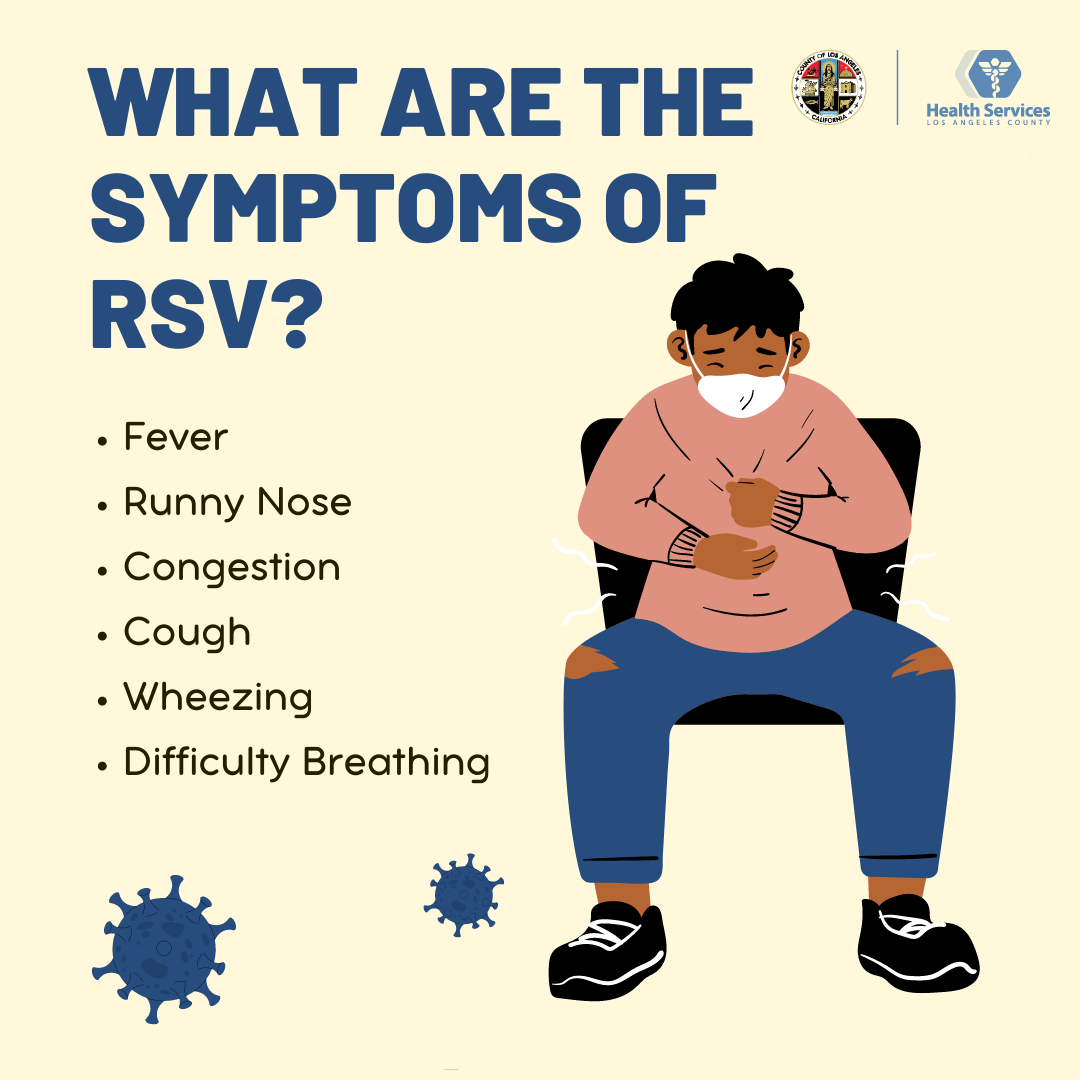
New immunizations are also available to combat respiratory syncytial virus, or RSV, for those at high risk of illness. Although the one-time shots reached pharmacies last year, fewer than a quarter of those 60 or older nationally had been vaccinated as of May.
Even in Florida, not many older adults have gotten the shot yet. That’s telling for a place with a high concentration of seniors because, while the virus has traditionally been thought of as a childhood ailment that affects babies, older adults can suffer from it, too. And Florida, with its humid weather, is the nation’s ground zero for RSV.
Each year, infections typically start in Florida and the Southeast before spreading to other parts of the United States, according to the University of Florida’s Emerging Pathogens Institute.
Saturday, July 27, 2024
COVID-19 devastated teacher morale − and it hasn’t recovered
Maybe letting them carry guns in the classroom wasn't helpful
Lesley Lavery, Macalester College and Steve Friess, University of Michigan
 |
| More than half of all teachers have thought about calling it quits. PenelopeB/iStock/Getty Images Plus |
The teaching profession faces a morale – and staffing – crisis. A National Education Association survey of members found that, as of late 2022, a staggering 55% of educators were thinking of calling it quits.
This is a legacy of COVID-19. Teachers were already unhappy before the pandemic, but the public’s reaction to the education their kids got during that crisis continues to haunt the profession. A Brown University study found teachers’ job satisfaction in 2022 hovered near its lowest level since the 1970s.
As a researcher focused on education policy, along with my colleague Sara Dahill-Brown, we spent the pandemic researching how teachers felt as events unfolded. Between 2020 and 2022, we interviewed 164 leaders of teachers unions and associations from 14 states and 45 schools. They represented urban, suburban and rural districts and an array of partisan leanings.
The results, published in our new study in Teaching and Teacher Education, show how damaging the pandemic was for K-12 teachers. Thousands subsequently left the profession.
Wednesday, May 1, 2024
Vaccination Efforts Saved Over 154 Million Lives
Let's save even more
GENEVA (Precision Vaccinations News)
A study published by The Lancet has
revealed that global immunization efforts have saved an estimated 154 million
lives over the past 50 years.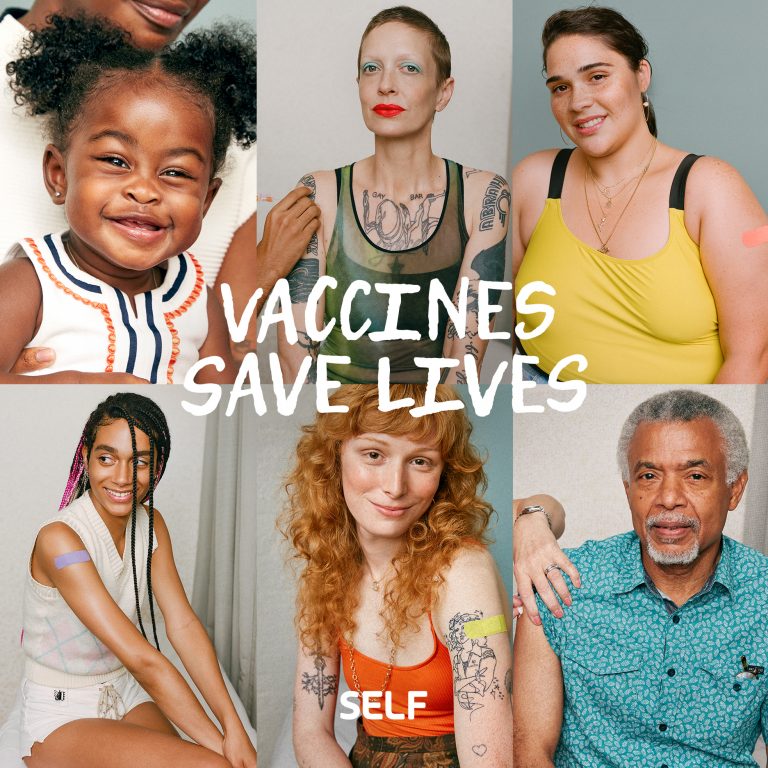
Photo credit: Heather Hazzan, SELF (CC BY)
Most lives saved were those of infants,
with 101 million lives saved.
The study, led by the World Health
Organization (WHO), found that vaccination against 14 diseases has reduced
infant deaths by 40% globally.
The 14 diseases that the study found
immunization to be effective against include diphtheria, Haemophilus influenzae
type B, hepatitis B, Japanese encephalitis, meningitis A, pertussis, invasive
pneumococcal disease, polio, rotavirus, rubella, tetanus, tuberculosis, and
yellow fever.
The measles vaccination significantly
reduced infant mortality, accounting for 60% of the lives saved due to
immunization.
"Vaccines are among the most
potent inventions in history, making once-feared diseases preventable,"
said WHO Director-General Dr Tedros Adhanom Ghebreyesus in a press release on April 24, 2024.
"Thanks to vaccines, smallpox has been
eradicated, polio is on the brink, and with the more recent development of
vaccines against diseases like malaria and cervical cancer, we are pushing back
the frontiers of disease. With continued research, investment, and
collaboration, we can save millions more lives today and in the next
50 years."
On the other hand, you have these idiots
"The study found that for each life
saved through immunization, an average of 66 years of total health were
gained—10.2 billion full health years gained over the five decades.
As a result of vaccination against polio,
more than 20 million people can walk today who would otherwise have been
paralyzed, and the world is on the verge of eradicating polio, once and for
all.
These gains in childhood survival highlight
the importance of protecting immunization progress in every country and
accelerating efforts to reach the 67 million children who missed out on
one or more vaccines during the pandemic.
Additionally, the WHO, UNICEF, Gavi, and
Bill & Melinda Gates Foundation (BMGF) are unveiling the "Humanly
Possible" campaign during the annual World Immunization Week 2024.
The worldwide communication campaign calls
on world leaders to advocate for, support, and fund vaccines and the
immunization programs that deliver these lifesaving products.
"It is inspiring to see what has been
made possible over the last fifty years, thanks to the tireless efforts of
governments, global partners, and health workers to make them more accessible
to more people," said Dr. Chris Eias, president of Global Development at
the BMGF.
"We cannot let this incredible
progress falter. By continuing to invest in immunization, we can ensure that
every child – and every person – has the chance to live a healthy and
productive life."
Sunday, March 24, 2024
We're awake, thank you very much
The end of anti-woke politics?
.webp)
We so-called “woke” people have been the target of far-right politicos and front groups that are frantically trying to ban us and our ideas from America’s political discourse.
In the past few years, such
thuggish gubernatorial demagogues as Ron DeSantis have perverted the power of
Big Government to attack teachers, librarians, public agencies, and even beer.
Beer!
Why? Because such people and organizations make
educational efforts to reduce bigotry, hatred, and exclusiveness in our
society. “That’s woke,” screech the ultra-rightists, demanding that any talk
about racism, sexism, gender discrimination, or other ugly realities in America
must be suppressed.
Like the witch hunters of old, today’s pious puritans of ideological conformity have demonized such basic values as diversity and equity, calling them “toxic.”
Tuesday, March 5, 2024
Measles is one of the deadliest and most contagious infectious diseases
It's also one of the most easily preventable
David Higgins, University of Colorado Anschutz Medical Campus
 |
| Young children, pregnant people and the immunocompromised are among the most vulnerable to measles. CHBD/E+ via Getty Images |
I am a pediatrician and preventive medicine physician, and I have anxiously watched measles cases rise worldwide while vaccination rates have dropped since the early days of the COVID-19 pandemic due to disruptions in vaccine access and the spread of vaccine misinformation.
In 2022 alone, there were over 9 million measles cases and 136,000 deaths worldwide, an 18% and 43% increase from the year before, respectively. The World Health Organization warned that over half the world’s countries are at high risk of measles outbreaks this year.
The U.S. is no exception. The country is on track to have one of the worst measles years since 2019, when Americans experienced the largest measles outbreak in 30 years. As of mid-February 2024, at least 15 states have reported measles cases and multiple ongoing, uncontained outbreaks.
EDITOR'S NOTE: In Rhode Island, the state Republican Party sent out an e-mail on February 27 heralding new legislation introduced by Rep. Robert Quattrocchi (District 41, Scituate, Cranston) that "prohibits mandates on vaccinations, masks and testing." Anti-vaxxer politicians ranging from disgraced former guy Donald Trump to local clowns like Rep. Quattrocchi caused the needless deaths of hundreds of thousands of Americans. - Will Collette
Wednesday, January 3, 2024
Saturday, December 30, 2023
What will it take to change Republicans’ minds about the climate crisis?
Nothing.
By MAX TAVES
Rome is burning. Republicans are twiddling their thumbs.
Cartoon by Tom Toles from the Washington Post
Scientists are loathe to give too much significance to
one event, but we’re not talking about one event anymore.
“This is climate change,” Michael Mann, a geophysicist and professor of environmental science at the University of Pennsylvania, put it bluntly.
“We’re seeing it now
in all of its forms in…the wildfires in Canada, what happened in Maui, the
flooding rains that we’re now seeing in California, you see greater extremes at
both ends of the spectrum.”
Just don’t expect these recent disasters — or, for that
matter, a consistent cascade of future precedent-setting fires, floods,
snowstorms, hurricanes or droughts — to move Republicans’ minds about the role
of climate change.
Consider an August analysis from the Pew Research Center.
While the percentage of Democrats describing climate
change as a major threat to the country’s well-being rose from 58 percent to 78
percent over the last decade, the share of Republicans who consider climate
change a major threat barely budged over the same time period, rising from 22
percent to 23 percent, per Pew.
The fact that Republicans’ opinions haven’t changed over
the last 10 years is startling when you take stock of the objective signs of a
changing climate during this same period.
Saturday, December 9, 2023

Saturday, October 7, 2023
Tell the truth about slavery
Why separating fact from fiction is critical in teaching US slavery
Eric Gable, University of Mary Washington and Richard Handler, University of Virginia
 |
| A Black actor in 1974 impersonating an enslaved man in Colonial Williamsburg in Virginia. George Bryant/Toronto Star via Getty Images |
Does this sentence constitute “propaganda,” as Vice President Kamala Harris proclaimed, “an attempt to gaslight us?”
Or is it a reasonable claim in a discussion of a difficult topic?
Whatever it is, the sentence is of a sort not unique to the teaching of enslavement in Florida. It is, instead, an example of how some Americans transform the racist history of this country into an uplifting – and sanitized – moral lesson.
Truth or fiction?
In our view as cultural anthropologists, the disputed sentence is true as historians define facts – tiny nuggets of truth one can find in archives, artifacts and diaries.
It is a fact that small numbers of the enslaved acquired skills that allowed them to earn money, to save it and to buy their freedom and the freedom of family members.
It is also a fact that freed Black people in the antebellum era helped other Black people to also acquire skills and became part of a segregated Black middle class in many Southern cities.
One might argue that such a sentence, because it is true, should not give rise to protest. But as scholars who have studied how history is taught in America, we learned that this particular nugget is neither trivial nor insignificant.
Instead, the one sentence in Florida’s new standards allows Americans to transform a story about what we today call structural racism into an apocryphal story about Horatio Alger and America’s rags-to-riches melting pot.
As this line of thinking goes, enslaved ancestors of contemporary African Americans labored just as most contemporary Americans’ ancestors labored: at the bottom, but able to climb up the social ladder with hard work and discipline.
And this is the problem: To portray enslaved people as laborers like free laborers is exactly how not to teach about slavery.
But it is a commonly used method that is called a “switching mechanism.” In this example, the story about the horrors of the slave system is transformed into a story about opportunity, success and the American dream.
Monday, October 2, 2023

Sunday, September 24, 2023
Nazis and evangelicals - a long-standing relationship
Legacy of shame
Meghan Garrity, George Mason University and Melissa Jo Wilde, University of Pennsylvania
 |
| Thousands of people attend a pro-Nazi rally at Madison Square Garden in New York in May 1934, with counterprotestors outside. Anthony Potter Collection/Hulton Archive via Getty Images |
Eighty-eight years later, the United States is facing rising antisemitism and white supremacist ideology – including two neo-Nazi demonstrations in Florida in September 2023 alone.
The Nuremberg Laws were a critical juncture on the Third Reich’s path toward bringing about “the full-scale creation of a racist state … on the road to the Holocaust,” according to legal historian James Whitman. Yet across the Atlantic, many Americans were unconcerned, and even admiring – including some religious leaders.
As a political scientist and a sociologist, we wanted to examine what Americans thought about Hitler and the National Socialist Party before the U.S. entered World War II – and see what lessons those findings might hold for our country today. Our recent research, which focused on religious publications, suggests that Americans’ support for Nazi Germany is best explained by belief in white supremacy.
Tuesday, September 12, 2023
Thar she blows!
Manatee spotted in Quonnie
By Will Collette
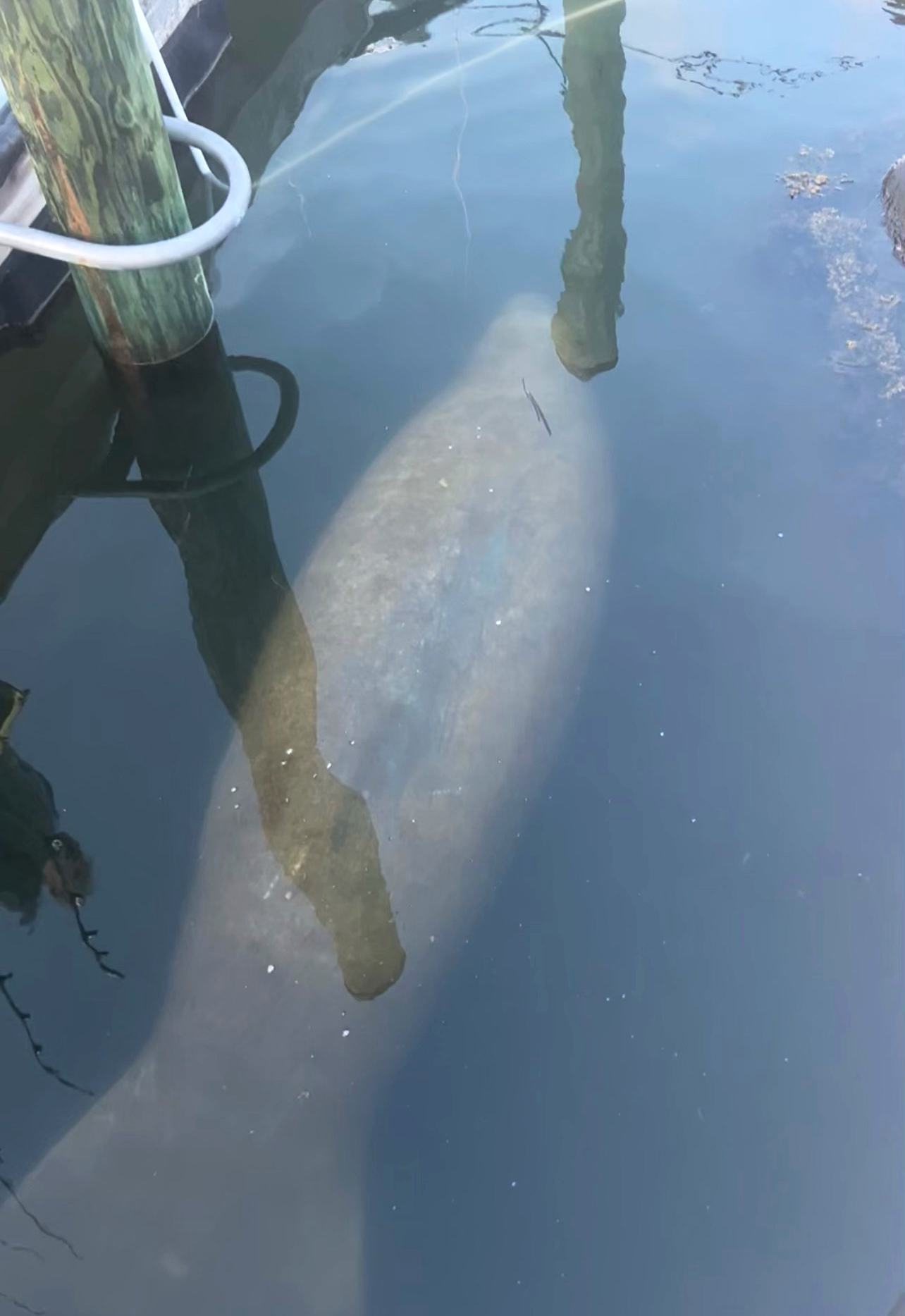
DEM spotted and photographed a manatee near a pier in Quonochontaug Pond, well over a thousand miles from its normal habitat.
DEM says they are monitoring the manatee, along with US Fish and Wildlife and the Mystic Aquarium in case it needs help.
Manatee have be spotted in RI waters in 2006 and 2016, according to DEM. They advise keeping 150 feet away and are warning boaters to use caution. In Florida, manatees are often killed or injured by boaters, not that Gov. Ron DeSantis's administration cares.
Speaking of matters aquatic, in one week, September 19, join us in celebrating international Talk Like a Pirate Day. It's a holy day on the Pastafarian calendar and a time for us all to practice talking like pirates.
 |
| Graphic by Sam Howard |
Tuesday, August 29, 2023

A tale of two districts
Spencer Dickinson of So. Kingstown the only outlier in CD-1 race - he doesn't live in the district
By Christopher Shea, Rhode Island Current
 |
| A map of Rhode Island’s split congressional districts. Not pictured is Block Island, which is a part of the Second Congressional District. (Source: Federal Election Commission) |
The base is configured around towns along the northern border with Massachusetts as it curves through Bristol and Newport counties, the bend starting in Providence — a city that shares both the 1st and 2nd congressional districts.
“It’s sort of just capturing the Eastern part of the state,” said John Marion, executive director for Common Cause Rhode Island. “There’s for sure some politics in play.”
Beginning in North Smithfield, the congressional line follows a mostly straight line south as it hits the Woonasquatucket River in North Providence.
In Rhode Island’s capital city, the dividing line snakes behind Providence College and through the Smith Hill neighborhood, bulging around the State House, and narrowing around the Providence River only to reopen around the Southeast part of the city at Roger Williams Park.
The Providence split exists for a reason, said Providence College political science Professor Adam Myers.
“Congressional districts have to be exactly equal in population after a U.S. Census,” he said. “You can’t really do that without splitting Providence.”
Though Myers said the line “won’t matter after 2030 because, by that point, we surely won’t have two congressional districts.
“These are artificial creations that exist for 10 years,” he said. (The state was within 14,000 people of losing a congressional seat heading into the 2020 census).
Sunday, August 20, 2023
DeSantis’ ‘war on woke’ looks a lot like attempts by other countries to deny and rewrite history
You can deny history, but you can't make it go away
Rochelle Anne Davis, Georgetown University and Eileen Kane, Connecticut College

Specifically, SB 266 forbids professors to teach that systemic racism is “inherent in the institutions of the United States.” Similarly, they cannot teach that it was designed “to maintain social, political and economic inequities.”
We are professors who teach the modern history of the Middle East and Eastern Europe, and we know that even democratically elected governments suppress histories of their own nations that don’t fit their ideology. The goal is often to smother a shameful past by casting those who speak of it as unpatriotic. Another goal is to stoke so much fear and anger that citizens welcome state censorship.
We see this playing out in Florida, with SB 266 being the most extreme example in a series of recent U.S. state bills that critics call “educational gag orders.” The tactics that Gov. Ron DeSantis is using to censor the teaching of American history in Florida look a lot like those seen in the illiberal democracies of Israel, Turkey, Russia and Poland.
Here are four ways SB 266 relates to attempts used by modern governments to censor history.
Monday, June 19, 2023
Seaweed Farming May Help Tackle Global Food Insecurity
Significant income-boosting potential in the sustainable superfood
by Annie Young
.webp)
Producing and selling seaweed could boost incomes for farmers in low- and middle-income countries (LMICs), particularly in coastal regions of Africa and Southeast Asia, said Patrick Webb, the Alexander McFarlane Professor of Nutrition at the Friedman School and senior author of the study.
Subscribe to:
Posts (Atom)