The “Staff of Life” Throughout History
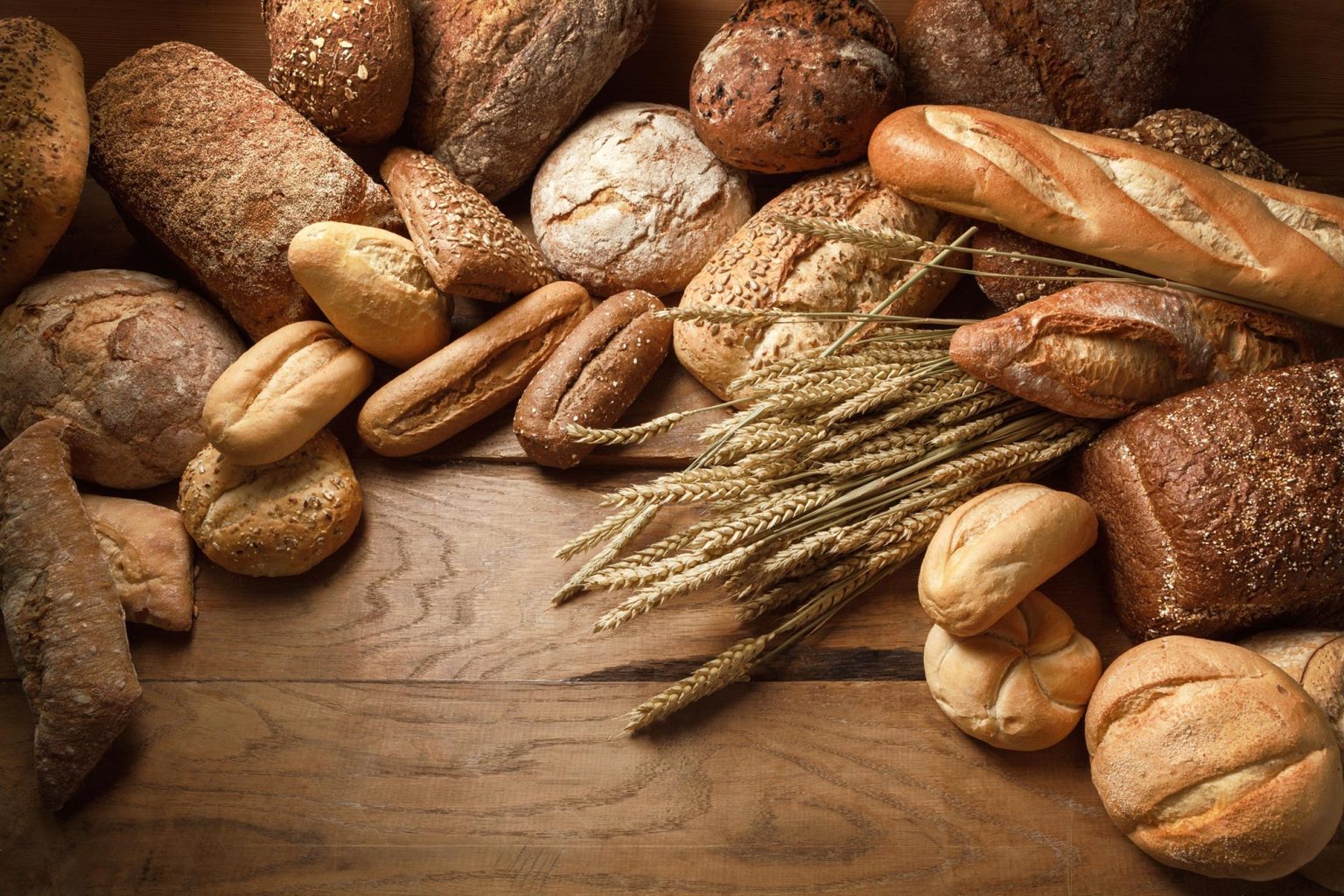
Bread, that simple “staff of life,” has gotten a bad reputation in recent years, mainly from those who advocate low-carb or gluten-free diets. However, foregoing bread at meals can be a difficult prospect, as virtually every nation and every culture on the planet has incorporated some type of bread into their foods.
You cannot travel through the world without finding
various forms of bread that accompany or are an intrinsic part of your meal,
and these should be savored as part of the cultural context and delicious part
of your culinary experience. Here are some facts about bread that show how
fundamental it is to our experience as human beings and to our culinary
evolution.
Bread in History
Historians have traced the making of bread to about 14,000 years ago in early human history. What probably started out as a random experiment with naturally growing grain plants became an essential part of the development of human culture. Instead of constantly following migrating herds of animals for their meat, people could establish permanent communities that relied on a different type of food item for survival.
Making bread did not depend on the presence and location of animals. It could be kept for longer periods of time to support survival when hunting was unsuccessful. Humans saw this value and began to plant seeds deliberately for later harvesting, which began the practice of agriculture.




.webp)

.webp)