Menu Bar

Home           Calendar           Topics          Just Charlestown          About Us

Sunday, March 3, 2024

Nobody likes to wait

The Paradox of Patience: Scientists Reveal Why We Hate To Wait

By UNIVERSITY OF TEXAS AT AUSTIN 

New research delves into the complexities of impatience, showing that the need for closure influences both decision-making and the increasing distress felt as the end of a wait nears, offering insights into managing waiting experiences more effectively.

Back in 1981, Tom Petty sang that the waiting is the hardest part. New research from The University of Texas helps to explain why.

In two recent papers, Annabelle Roberts, Texas McCombs assistant marketing professor, explores the internal negotiations that happen when people feel impatient: whether they’re standing in a long queue or awaiting an important announcement.

Both papers examine how the desire for closure impacts impatience. The first paper looks at how it affects decision-making — for example, choosing to complete a task now rather than later. The second explores people’s feelings as they wait and how the experience changes as the end of the wait draws closer.

New testing finds evidence of “forever chemicals” in six out of 15 deodorants tested.

Are you putting PFAS on your armpits?

EHN Editors

Six deodorants recently tested have detectable levels of organic fluorine, an indicator of the group of chemicals known as PFAS, according to a new report from Mamavation.

Partnering with EHN.org, the environmental wellness blog and community had 15 deodorants from 14 brands tested by a U.S. Environmental Protection Agency-certified lab and found levels of organic fluorine ranging from 11 parts per million to 32 ppm. Both “natural” and conventional deodorants had evidence of the chemicals.

Organic fluorine is a strong indicator of per- and polyfluoroalkyl substances, also known as PFAS or “forever chemicals”— which have been linked to health effects including reduced immune system function and vaccine response, developmental and learning problems for infants and childrencertain cancerslowered fertilityendocrine disruption and other impacts.

Shocking Study Finds Microplastics in Every Human Placenta

Is nothing sacred?

By MICHAEL HAEDERLE, UNIVERSITY OF NEW MEXICO HEALTH SCIENCES CENTER 

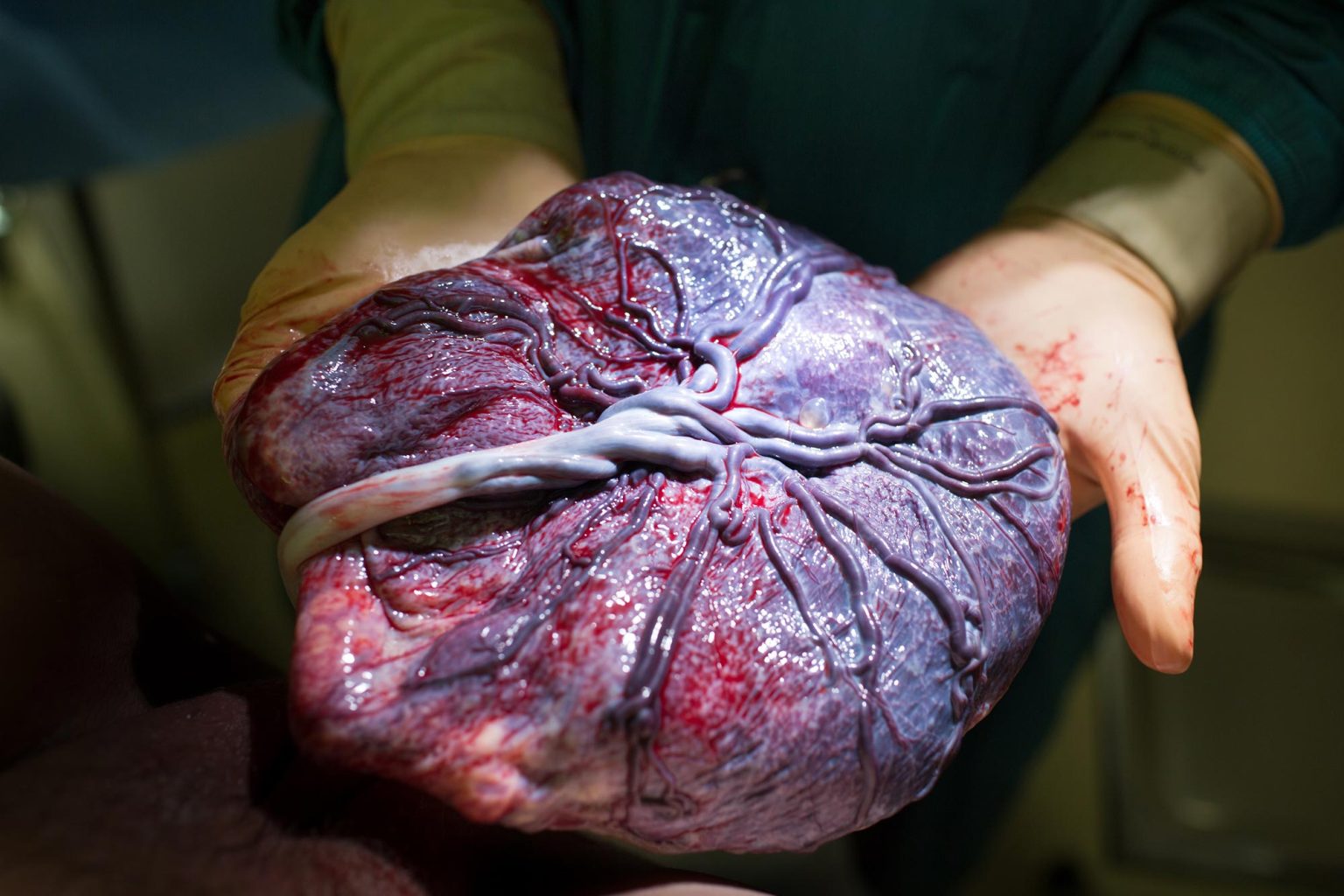
A flurry of recent studies has found that microplastics are present in virtually everything we consume, from bottled water to meat and plant-based food. 

Now, University of New Mexico Health Sciences researchers have used a new analytical tool to measure the microplastics present in human placentas.

In a study published on February 17 in the journal Toxicological Sciences, a team led by Matthew Campen, PhD, Regents’ Professor in the UNM Department of Pharmaceutical Sciences, reported finding microplastics in all 62 of the placenta samples tested, with concentrations ranging from 6.5 to 790 micrograms per gram of tissue.

Saturday, March 2, 2024

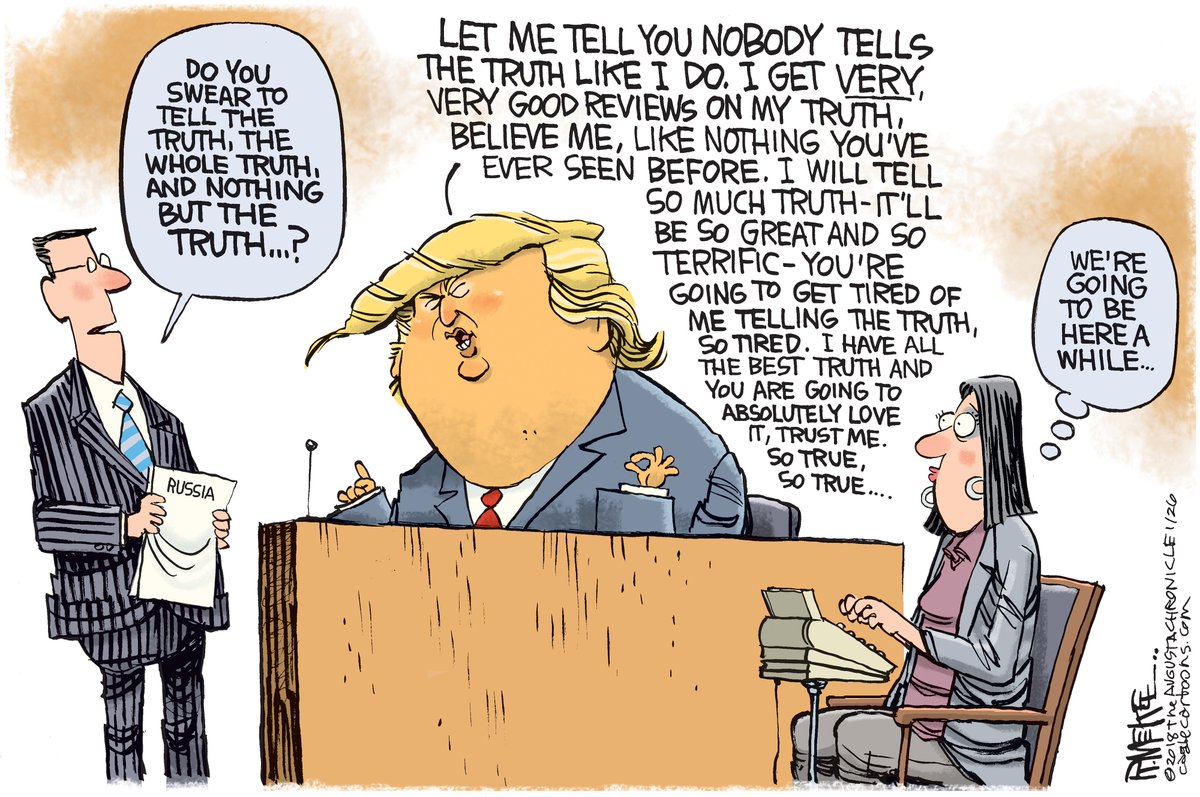
Trump was never a successful businessman

He was always a con artist

Robert Reich

New York Justice Arthur F. Engoron found Trump liable for conspiring to manipulate his net worth and ordered him to pay a penalty of $355 million — which could wipe out his whole stockpile of cash.

Trump’s lawyers had argued — and will surely argue on appeal — that there was no fraud because there was no victim and no one had been harmed. 

In a statement on Friday, a Trump Organization spokeswoman noted that the company had “never missed any loan payment or been in default on any loan” and that the lenders “performed extensive due diligence prior to entering into these transactions.”

At trial, Trump’s lawyers called as witnesses the president’s former bankers, who testified that they had been delighted to have Trump as a client.

Trump’s lenders thought they were making safer loans than they were because Trump inflated the value of his assets to make it seem like he had more collateral than he actually did, and therefore he was a more reliable borrower than he actually was.

Nearly half of the $355 million penalty imposed on Trump represented the interest that Trump saved by exaggerating his assets so that he could get loans at lower interest rates (the rest represented Trump’s profit on the recent sale of two properties, which the judge has now clawed back).

Not a cult, right?


Look out for each other

Offshore wind turbines not cause of whale strandings, deaths

Fishing nets and gear, ship strikes common causes of whale deaths

Dave Lavallee 

EDITOR'S NOTE: The recent deaths of two whales in South Kingstown waters once again raises questions about ties to wind turbines. While stable genius  Donald Trump may see such a link, URI scientists do not, which is why we're re-running this article which we published almost a year ago. Just last week, URI scientists again stated there is no evidence of any connection to these deaths and wind turbines. This is an earlier article, published almost a year ago, reprinted for those of you whom might have missed it. - Will Collette

When 10 whales washed up on the New Jersey shore earlier this year, people were understandably concerned. 

Some might have wondered if the problem was related to wind turbines.

James Miller, University of Rhode Island professor of ocean engineering and department chair, answered several questions recently about whether wind turbines have an effect on whale safety and health. He is available to the media for interviews.

Q. What are people saying when whale strandings are reported in the news?

A. “Periodically we read in the news that a whale or some other large animal ends up on the shore, and a lot of times the blame immediately goes to wind turbines. People feel the problem must come from turbine construction noise. Yet when the whales drift ashore, no construction is taking place.”

Q. Is there any evidence that wind farms cause these events?

A. “No. Most of those whales are either struck by ships or are entangled in fishing nets. The great whales – the fins, the blues, the humpbacks, the right whales – these are very tough animals. They’re built for the ocean’s rough environment. Except in rare cases, the sound created from man-made sources is not enough to bother them. The exception is a report on whales injured by explosive dredging in Canada many years ago.”

The true cost of food is far higher than what you spend at the checkout counter

The hidden cost of food

Kathleen MerriganArizona State University

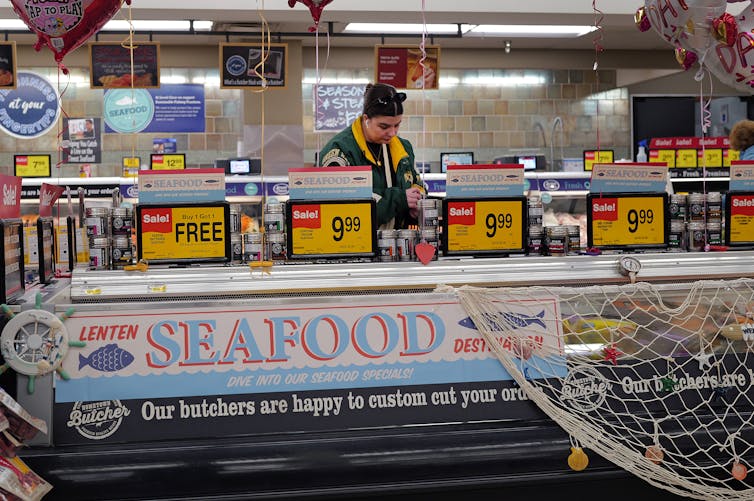
Stickers don’t tell the whole story. Scott Olson/Getty Images
After several years of pandemic-driven price spikes at the grocery store, retail food price inflation is slowing down

That’s good news for consumers, especially those in low-income households, who spend a proportionally larger share of their income on food.

But there’s more to the cost of food than what we pay at the store. Producing, processing, transporting and marketing food creates costs all along the value chain. Many are borne by society as a whole or by communities and regions.

For example, farm runoff is a top cause of algae blooms and dead zones in rivers, lakes and bays. And food waste takes up one-fourth of the space in U.S. landfills, where it rots, generating methane that warms Earth’s climate.

Exploring these lesser-known costs is the first step toward reducing them. The key is a method called true cost accounting, which examines the economic, environmental, social and health impacts of food production and consumption to produce a broader picture of its costs and benefits.

Hazardous waste cost hike

Citing “dangerous health risks,” US adds $1 billion to Superfund cleanup efforts

CAREY GILLAM 


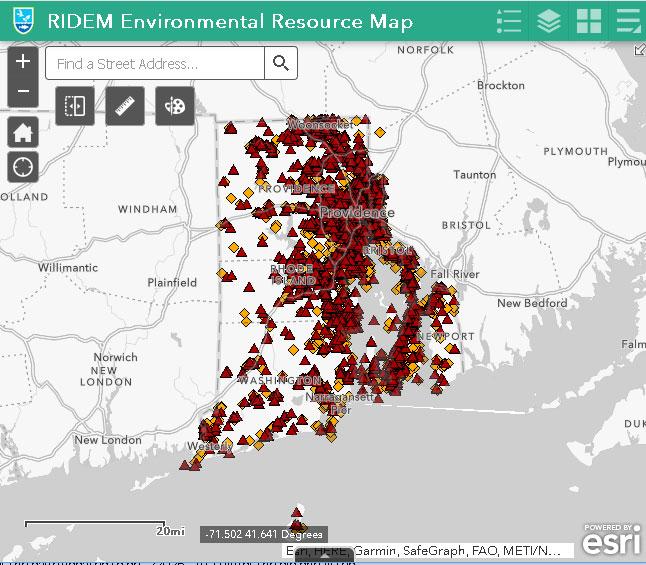
Hazmat sites in Rhode Island. When you click on the
list of Rhode Island NPL sites on DEM's website, you are sent
to an EPA page that is headed "Sorry, but this web
page does not exist." Very helpful
The US is earmarking more than $1 billion to help clean up long-standing hazardous waste sites jeopardizing the health of communities around the country, a move that will impact 110 sites, officials said on Tuesday.

The money for new and continuing projects marks the “final wave” of a total of roughly $3.5 billion allocated in President Biden’s Bipartisan Infrastructure Law for work at so-called “Superfund” sites, and addresses an administrative initiative directing funds to projects that benefit disadvantaged communities, Janet McCabe, deputy administrator of the Environmental Protection Agency (EPA), said in a press conference held to announce the funding.


Communities around the country have been “long-overburdened by pollution” that poses “dangerous health risks,” McCabe said. Minority populations have been particularly impacted, with more than one in four Black and Hispanic Americans living within three miles of a Superfund site. 

Of 25 sites set to receive funding for new projects, 75% are in historically underserved communities, according to McCabe.

“This funding will help improve people’s lives, especially those who’ve long been on the front lines of pollution,” she said.

Friday, March 1, 2024

Do We Simply Not Care About Old People?

Ageism is pervasive. 

1973 album by  Owsley Stanley and Vickie Babcock
The covid-19 pandemic would be a wake-up call for America, advocates for the elderly predicted: incontrovertible proof that the nation wasn’t doing enough to care for vulnerable older adults.

The death toll was shocking, as were reports of chaos in nursing homes and seniors suffering from isolation, depression, untreated illness, and neglect. Around 900,000 older adults have died of covid-19 to date, accounting for 3 of every 4 Americans who have perished in the pandemic.

But decisive actions that advocates had hoped for haven’t materialized. Today, most people — and government officials — appear to accept covid as a part of ordinary life. Many seniors at high risk aren’t getting antiviral therapies for covid, and most older adults in nursing homes aren’t getting updated vaccines. 

Efforts to strengthen care quality in nursing homes and assisted living centers have stalled amid debate over costs and the availability of staff. And only a small percentage of people are masking or taking other precautions in public despite a new wave of covid, flu, and respiratory syncytial virus infections hospitalizing and killing seniors.

In the last week of 2023 and the first two weeks of 2024 alone, 4,810 people 65 and older lost their lives to covid — a group that would fill more than 10 large airliners — according to data provided by the CDC. But the alarm that would attend plane crashes is notably absent. (During the same period, the flu killed an additional 1,201 seniors, and RSV killed 126.)

Save on taxes


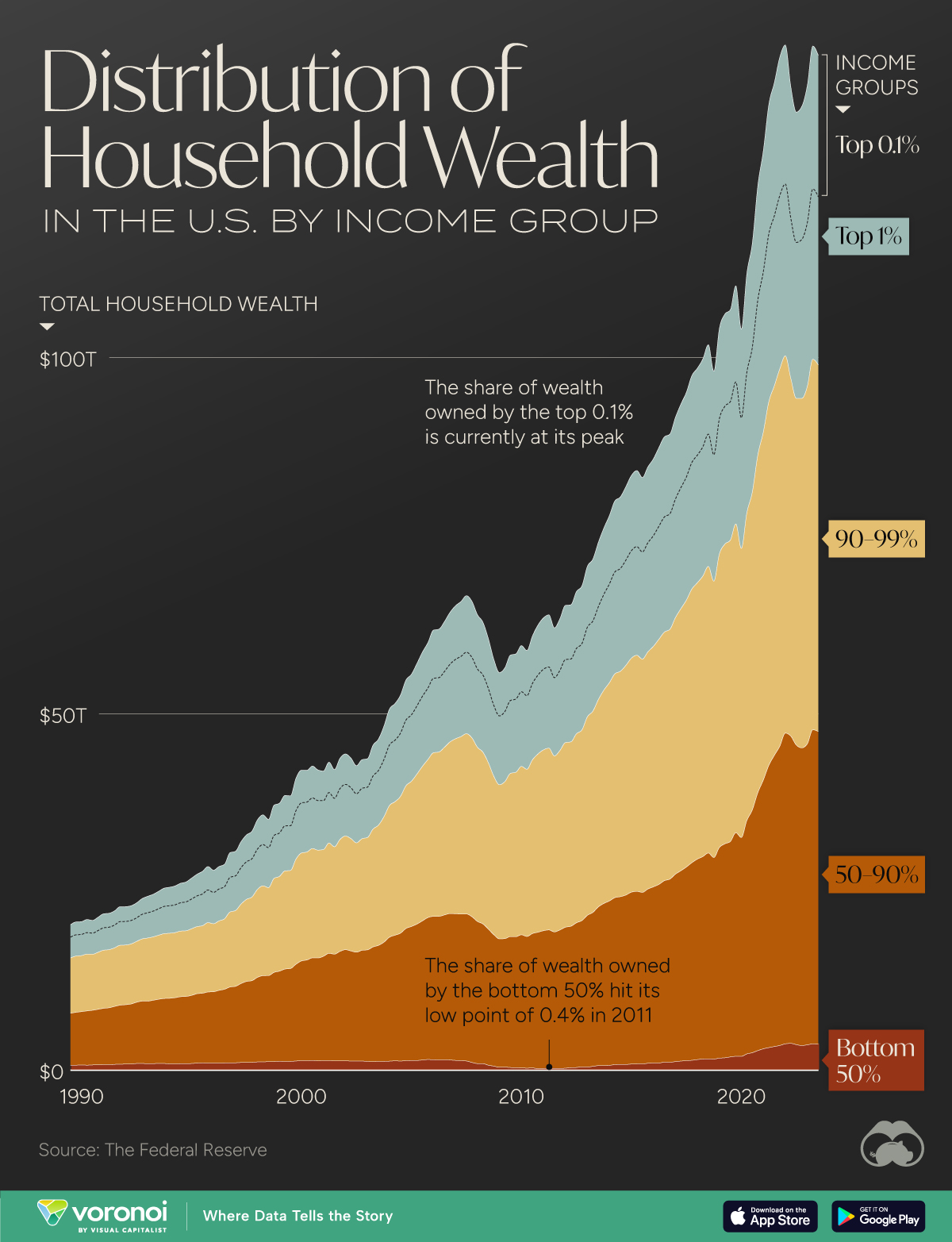
Where's the money

Visual Capitalist

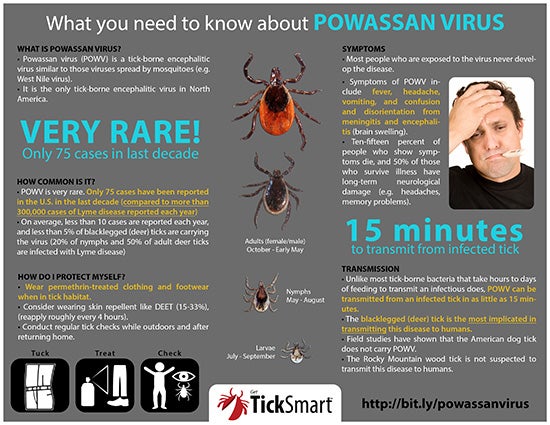
RI Health Department confirms case of rare tick-borne disease

Powassan virus confirmed in Kent County man


The Rhode Island Department of Health (RIDOH) is reporting a confirmed case of the tick-borne Powassan virus disease (Powassan) detected in a Rhode Island resident. This resident is a male in his 70s who lives in Kent County. He began experiencing symptoms of Powassan in late January. He is recovering at home.

"With spring around the corner we all need to be thinking about tick prevention measures when outdoors," said Interim Director of Health Utpala Bandy, MD, MPH. 

Sen. Ujifusa, Rep. Tanzi bill seeks to protect patients from prior authorizations, used to limit health care

Easier access to Prescription meds 

Sen. Linda Ujifusa and Rep. Teresa A. Tanzi are sponsoring legislation to require study and improved control of health insurers’ use of prior authorization to limit health care. 

A prior authorization (PA) is an approval from a health insurance plan that the insurer may require before it will cover a service or prescription.

“Insurers claim that PAs save money and lower prescription drug use,” said Senator Ujifusa (D-Dist. 11, Portsmouth, Bristol), “but studies do not show PAs help patients achieve better health, and health care providers believe PAs actually increase health care costs by preventing timely delivery of medically necessary care.”

According to a recent survey of physicians by the American Medical Association, 89% reported PAs had a negative impact on patient clinical outcomes, 94% reported PAs delayed necessary care, and 80% reported PAs led to patients abandoning a recommended course of treatment.

To MAGAnuts, Trump is an outlaw hero

Certainly sounds better than just a criminal

David G. Bromley, Virginia Commonwealth University

Before Donald Trump likened himself to Russian dissident Alexei Navalny, the former president frequently compared himself with a completely opposite personality – Chicago organized crime boss Al Capone.

During a speech in Nevada in December 2023, Trump painted himself as the victim of overzealous prosecutors who have treated him worse than one of the nation’s most notorious criminals.

“He got indicted once,” Trump told followers. “I got indicted four times. Over bullshit, I got indicted.”

In his never-ending attempt to politicize his substantial legal troubles, Trump’s exaggerated claims of victimhood are part of the appeal to his die-hard MAGA followers, who believe what Trump tells them: He is being persecuted by deep state bureaucrats because he is fighting for them.

“Never forget,” Trump said. “Our enemies want to take away my freedom because I will never let them take away your freedom … they are not after me. They’re after you. And I just happened to be standing in their way.”

The message that Trump is serving as a protector against unexplained foes is part of the myth of an outlaw hero. Belief in such characters may explain his unwavering support and commanding lead in the 2024 race for the GOP presidential nomination.