 |
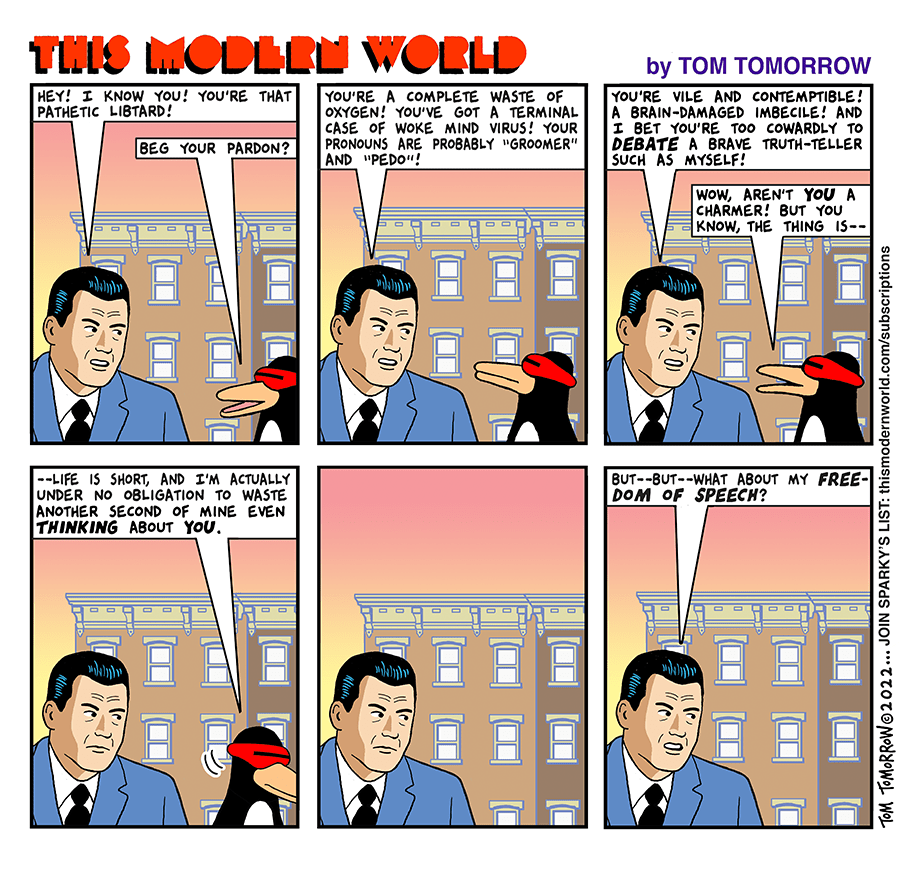
| For more cartoons by Tom Tomorrow, CLICK HERE |
Monday, December 26, 2022
Science looks at how we get scared
New Research Reveals How Fear Get Stuck in Brains
By LINKÖPING UNIVERSITY
.webp)
The research, conducted in rats, was published in the scientific journal Molecular Psychiatry. It provides new insights into the processes behind anxiety-related disorders and identified shared mechanisms of anxiety and alcohol dependence.
The ability to feel fear is critical for escaping life-threatening
circumstances and learning how to avoid them in the future. However, in certain
conditions, such as post-traumatic stress disorder (PTSD) and other
disorders linked to anxiety, the fear reactions become excessive and continue
even when they are no longer necessary.
This causes intense anxiety even if no danger is present,
resulting in disability for the individual afflicted. Researchers believe that
some people are predisposed to developing pathological fears, which are caused
by problems with how the brain processes fearful memories.


5 Alternatives to Styrofoam For Food Packaging
Guest Post by Kat Sarmiento for Global Warming is Real

We
can even see this in the food industry with regenerative agriculture, vertical
farming, and biogas. Many changes are being created in the ag industry because
the climate crisis directly impacts food production. In fact, one of its worst effects is on our
access to food. Higher temperatures mean crop failure, which, in due course,
disrupts supply chains the world over.
However,
it doesn’t end there. Food still needs to be packaged; unfortunately, many
businesses still use Styrofoam as their material of choice.
If
businesses want to promise sustainability to their customers and attain net-zero emissions, they have to start at what might initially seem insignificant.
Read on to learn more about the problem of using Styrofoam and the viable
alternatives businesses can use for food packaging.
No sign of decrease in global carbon dioxide emissions
We must do better
University of Exeter
.webp)
If current emissions levels persist, there is now a 50% chance that
global warming of 1.5°C will be exceeded in nine years.
The new report projects total global CO2 emissions
of 40.6 billion tonnes (GtCO2) in 2022. This is fueled by fossil
CO2 emissions which are projected to rise 1.0% compared to 2021, reaching 36.6 GtCO2 --
slightly above the 2019 pre-COVID-19 levels[1]. Emissions from land-use change
(such as deforestation) are projected to be 3.9 GtCO2 in 2022.
Projected emissions from coal and oil are above their 2021
levels, with oil being the largest contributor to total emissions growth. The
growth in oil emissions can be largely explained by the delayed rebound of
international aviation following COVID-19 pandemic restrictions.
The 2022 picture among major emitters is mixed: emissions are
projected to fall in China (0.9%) and the EU (0.8%) and increase in the USA
(1.5%) and India (6%), with a 1.7% rise in the rest of the world combined.
Sunday, December 25, 2022

Saturday, December 24, 2022
RI Coalition to End Homelessness responds to McKee Administration letter
Calls McKee claim they are ‘trying to keep people homeless’ absurd
By Rhode Island Coalition to End Homelessness in UpRiseRI
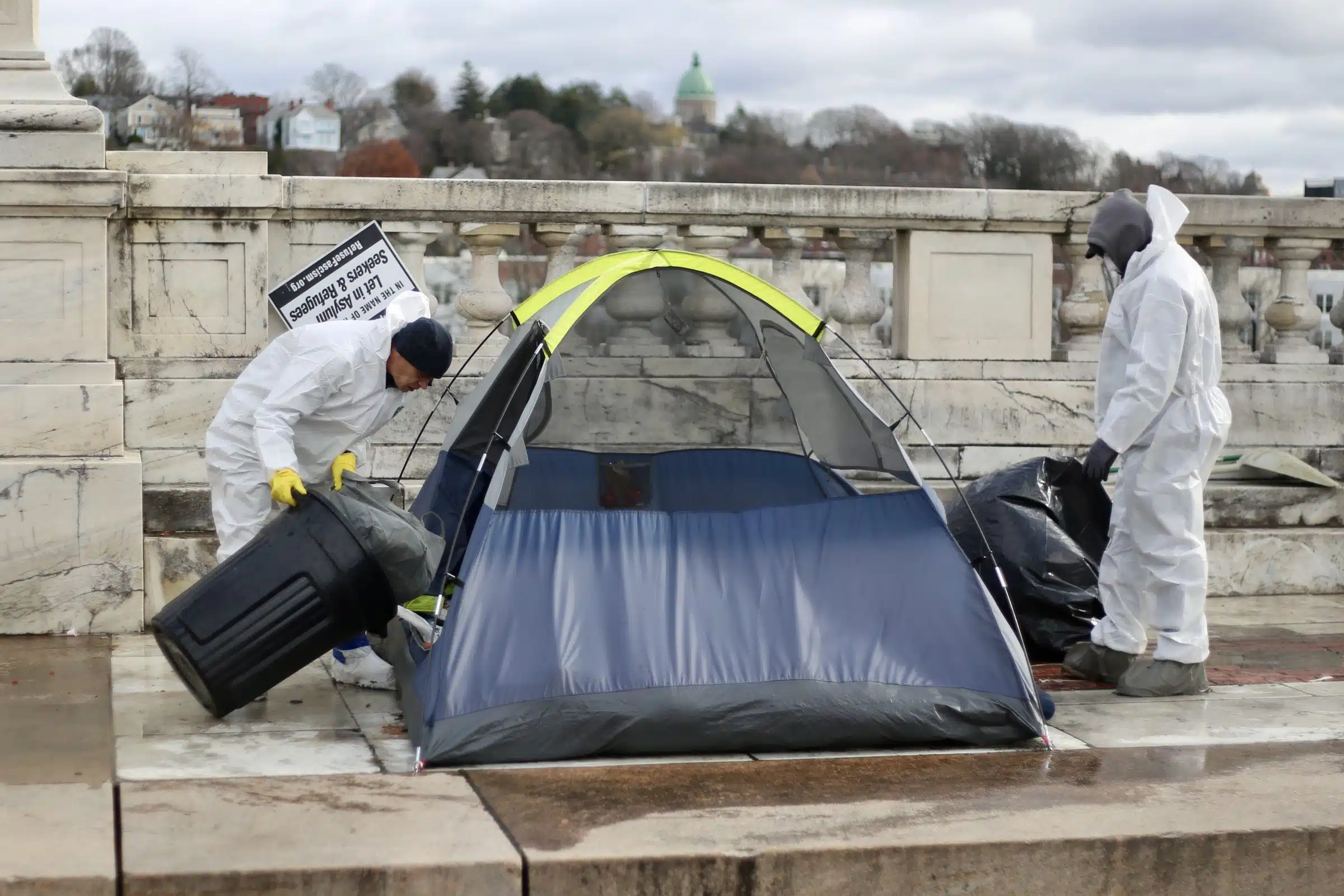
Additionally, the State has continued
to make inaccurate statements regarding data collected by the Homeless
Information Management System (HMIS) and outreach providers.
The Coalition has responded to
the Rhode Island
Department of Housing’s letter that was issued to us
last week. The Coalition believes now that the focus needs to be on the other
500+ Rhode Islanders who remain unhoused and is proposing some solutions to
immediately offer shelter to Rhode Islanders experiencing homelessness.
Over the past few weeks, the State has provided reporters and the public with inaccurate statements about the Rhode Island Coalition to End Homelessness. The mission of the Coalition is to advance lasting solutions to prevent and eradicate homelessness for all Rhode Islanders.
Any statement that we are “trying to keep
people homeless” or withholding data is absurd and diminishes
the complexity of supporting the fair and equitable distribution of shelter
resources within Rhode Island.


Best Aquaculture Practices Launches Consumer Campaign
Does BAP certification help promote sustainable aquaculture?
By Gina-Marie Cheeseman for Global Warming is Real
 |
| Shellfishermen set up racks to grow oysters from seed in Ninigret Pond. Sea Grant RI |
The Global Seafood Alliance’s Best Aquaculture
Practices label released its first consumer-facing
website. The website is part of the campaign, Healthy Fish,
Healthy Planet, Healthy You.
The purpose
of the campaign is to increase awareness of the BAP label. The campaign
consists of traditional media outreach, social media, influencer engagement,
and a toolkit with print and digital assets. Launched in mid-April, the
campaign culminated with U.S. National Seafood Month last October.
Two economists forecast 2023
Inflation, unemployment, the housing crisis and a possible recession
D. Brian Blank, Mississippi State University and Rodney Ramcharan, University of Southern California
 |
| Although a recession is likely on the horizon, it’s uncertain how deep it might go. Cimmerian/E+ via Getty Images |
Two economists discussed that and more in a recent wide-ranging and exclusive interview for The Conversation. Brian Blank is a finance professor at Mississippi State University who specializes in the study of corporations and how they respond to economic downturns. Rodney Ramcharan is an economist at the University of Southern California who previously held posts with the Federal Reserve and the International Monetary Fund.
Both were interviewed by Bryan Keogh, deputy managing editor and senior editor of economy and business for The Conversation.
Below are some highlights from the discussion. Answers have been edited for brevity and clarity.
Subscribe to:
Posts (Atom)