What the proposed changes to vaccine policy mean?
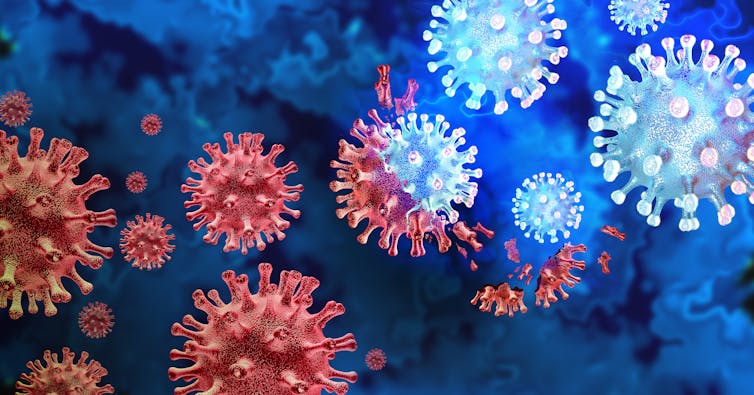 |
| The FDA advisory committee discussed vaccine safety, effectiveness of the current shots, potential seasonality of COVID-19 and more. wildpixel/iStock via Getty Images Plus |
But the key question at hand, and the only formal question that was voted on, following a proposal from the FDA earlier in the week, had to do with how to simplify the path to getting people vaccinated.
The Conversation asked immunologist Matthew Woodruff, who has been on the front lines of studying immune responses to COVID-19 since the early days of the pandemic, to walk us through the big questions of the day and what they mean for future COVID-19 vaccine strategies.
What exactly did the advisory committee vote on?
The question put before the committee for a vote was whether to move to one COVID-19 vaccine consisting of a single composition for all people – whether currently vaccinated or not – and away from the current model that includes one formulation given as a primary series and a separate formulation administered as a booster. Importantly, approved formulations could come from any number of vaccine manufacturers, not just those that have currently authorized vaccines.
The U.S. Centers for Disease Control and Prevention currently requires that the primary series of shots, or the first two doses of the vaccine that a patient receives, consist of the first generation of vaccine against the original strain of SARS-CoV-2, known as the “Wuhan” strain of the virus.
These shots are given weeks apart, followed months later by a booster shot that was updated in August 2022 to contain a bivalent formulation of vaccine that targets both the original viral strain and newer subvariants of omicron.
The committee’s endorsement simplifies those recommendations. In a 21-to-0 vote, the advisory board recommended fully replacing, or “harmonizing,” the original formulation of the vaccine with a single shot that would consist of – at least for now – the current bivalent vaccine.
In doing so, it has signaled its belief that these new second-generation vaccines are an upgrade over their predecessors in protecting from infection and severe illness at this point in the pandemic.




.webp)


.webp)