Menu Bar

Home           Calendar           Topics          Just Charlestown          About Us

Friday, February 23, 2024

A generation of youth have grown up not knowing a world absent the fear of mass shootings

Shots Fired (and Keep Firing): Gun Violence Epidemic in the United States

DEITRA BURNEY-BUTLER in Common Dreams

I saw someone get shot and I saw blood splatter everywhere and they just fell off their chair,” described the unnamed young cousin of “Trisha” who was slaughtered during the Lewiston, Maine massacre. 

Children are victimized in every conceivable way because of America’s love affair with guns. 

Why do people do this? I was more worried about am I gonna live . . .,” wondered 10-year-old Zoey Hutchinson after being grazed by a bullet in the October 25, 2023 Lewiston, ME mass shooting. Zoey was at the local bowling alley with her mother for youth night. 

Fourteen-year-old Aaron Young, who also attended the youth bowling night was killed, alongside his father during the massacre. Those incidents contributed to the more than 1695 children and teens killed in the U.S. in gun related incidents in 2023.

Gun violence has become an epidemic in the U.S. with children dying in record numbers due to homicides, suicides, and accidental shootings. 

Inadequate laws, and conflict resolution strategies and skills, inadequate and inaccessible mental health services, and a proliferation of access to firearms have all come together to create a perfect, deadly storm. 

Until we develop and employ effective strategies to address conflict resolution strategies in homes, schools and communities, and ensure access to mental health services, we will continue to see a rise in the gun violence that is robbing a generation of the innocence of childhood and youth.

Tool

By Bill Bramhall

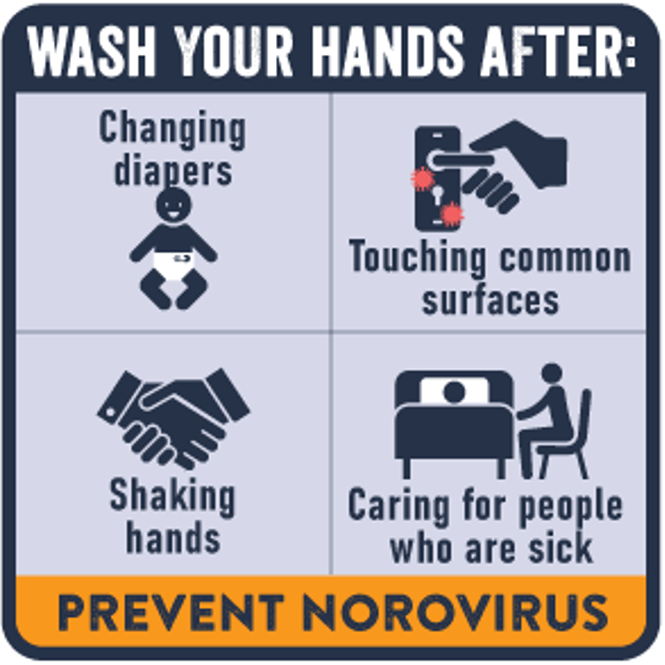
Big surge in Rhode Island norovirus cases, so do this....


RIPTA approves 16.7% pay bump for drivers

The right thing to do and maybe it will ease driver shortage

By Christopher Shea, Rhode Island Current

Starting wages for Rhode Island Public Transit Authority (RIPTA)’s bus drivers will increase 16.7% effective immediately.

RIPTA’s board of directors on Thursday unanimously approved a new contract with the Amalgamated Transit Union (ATU) Local 618 to raise drivers’ hourly base rates from $21.71 to $25.33. The collective bargaining agreement also includes a $1 per hour increase for the union’s top-paid drivers.

Thursday’s vote comes as the agency considers service cuts to half of its routes caused because it doesn’t have enough drivers. RIPTA’s three-year contract with the union is set to expire in June 2025, but the agency agreed to reopen it and negotiate new wages in order to attract and retain bus operators.

“This crucial wage increase benefits not only our drivers, but our passengers as well,” RIPTA CEO Scott Avedisian said in a statement. “This will enable us to attract and retain drivers, ensuring that the public can rely on RIPTA to be there when the bus schedule says we are going to be there.”

The union is also hopeful the pay bump will bring people in.

Bill Would Change Procedure for Reporting, Collecting Roadkill

In some areas, it's called "speed beef"

By Rob Smith / ecoRI News staff

Have you ever wondered what happens to roadkill, like deer, after it’s been struck by a vehicle? 

Under a proposed bill from the Rhode Island Department of Environmental Management, you might be able to take it home with you for dinner.

Lawmakers are weighing a pair of bills that would modify the state’s hunting laws and how it manages the local deer population. The first bill, H7358, would empower DEM to revise its wildlife salvage procedures and collect data on other large species of wildlife, like turkeys, that are often victims of collisions with vehicles.

Under state law, any driver who strikes a deer with a vehicle is required to report it to a conservation officer — a relic of when the law was written, according to DEM; these days claims are handled by the department’s environmental police officers — before they can legally take possession of it.

Tangible contributions of immigrants

Immigrants do work that might not otherwise get done – bolstering the US economy

Ramya VijayaStockton University

Hundreds protested peacefully in Immokalee, Fla.,
against a state law enacted in 2023 that imposes
restrictions on undocumented immigrants. 
AP Photo/Rebecca Blackwell
Although Congress is failing to pass laws to restrict the number of migrants arriving in the U.S., a majority of Americans – about 6 in 10 – believe there’s an immigration crisis along the Mexico-U.S. border. 

Politicians who want fewer people to move here often cast those arriving without prior authorization as a burden on the economy.

As an economist who has researched immigration and employment, I’m confident that economic trends and research findings contradict those arguments.

The U.S. is experiencing a labor market shortage that is likely to last well into the future as the U.S.-born population gets older overall, slowing growth in the number of workers.

Rather than a drain on the economy, an uptick in immigration presents an opportunity to alleviate this shortage. Data from my own research and studies conducted by other scholars show that immigrant workers in the U.S. are more likely to be active in the labor market – either employed or looking for work – and tend to work in professions with the most unmet demand.

Help really wanted

The U.S. had 9 million job openings in December 2023, according to the Bureau of Labor Statistics. The government agency also found that there were 6.1 million unemployed people actively seeking paid work.

Economists generally compare the two numbers to calculate the labor shortage. It currently stands at nearly 3 million workers, and the bureau expects this gap to grow as the population ages and people have fewer children over the next decade.

In other words, the U.S. faces a long-term shortage of people looking for employment.

That shortfall would be much bigger without foreign-born workers, who accounted for a record high of 18.1% of the U.S. civilian labor force in 2022, according to the Bureau of Labor Statistics.

Thursday, February 22, 2024

Trump’s Next Legal Move: Personal Bankruptcy

It's usually his companies that go bankrupt

By DAVID CAY JOHNSTON

Trump's going to need to sell a lot of sneakers, except that
according to the fine print on the order forms, he DOESN'T
have any - they will be shipped at some point in the f
uture or maybe never.
Conspiracy theorist Alex Jones did it two years ago. Rudolph Giuliani did it just before Christmas. Now there’s a very good chance that before March 12, Donald Trump will join them in filing personal bankruptcy.

Trump would do so for the same reason as Jones and Giuliani — to delay paying court-ordered awards for defamation.

Trump has never filed personal bankruptcy, as I will show below. Doing so now might seem at first blush to ruin his brand, his polished image as a multi-billionaire, a modern Midas who turns to gold all that he touches.

But spinning a bankruptcy filing to his advantage would be easy. Trump will tell his cultish believers that he is as rich as ever, but he was forced to seek refuge in Bankruptcy Court by the Marxist-Fascist-Corrupt-Deep State-Liberal-Radical cabal he blames for his legal woes.

Who did it?

By Nick Anderson

Guns over people? You know what to do.

Why Doctors Avoid Talking With Patients About Gun Safety

Takes guts

By Jenna Jakubisin

By Adam Zyglis
In November 2021, a teenager with a handgun killed four students and injured seven people at Oxford High School, near Detroit. It was the deadliest school shooting in Michigan history. Just this month, on Feb. 6, the shooter’s mother was convicted on four counts of involuntary manslaughter. 

During a trial that scrutinized safe gun storage — or rather, a lack thereof — prosecutors alleged she failed to secure the gun at home and ignored warning signs about her son’s mental health.

Gun violence in the U.S. is a public health crisis. According to the most recent data from the Centers for Disease Control and Prevention, 2021 was the second consecutive year in which guns were the leading cause of death among American children and teens. 

That year, nearly 49,000 people died from guns — equivalent to one person every 11 minutes. A report from the Johns Hopkins Bloomberg School of Public Health showed that gun ownership sharply increases the risk of dying by homicide and suicide.

During a public health crisis, doctors have important roles and responsibilities. The U.S. gun epidemic is no exception. Many health professional organizations, including the American Medical Association and the American College of Physicians, recommend that primary care providers discuss firearm access and safety with adult patients. 

As gun deaths increase, it’s more important than ever for doctors to prioritize gun safety discussions with patients. But a recent study in the Journal of General Internal Medicine showed that the extent of this practice is unclear.

At the time of the Oxford shooting, the study’s lead author, Joseph Ladines-Lim, was a second-year resident in the University of Michigan’s combined internal medicine and pediatrics program in Ann Arbor. In the tragedy’s aftermath, Ladines-Lim and colleagues launched a research project examining the practice of firearms screening at their institution.

How COVID-19 Affects the Brain

Headaches, Memory Problems, and Fatigue 

By CHARITÉ - UNIVERSITÄTSMEDIZIN BERLIN 

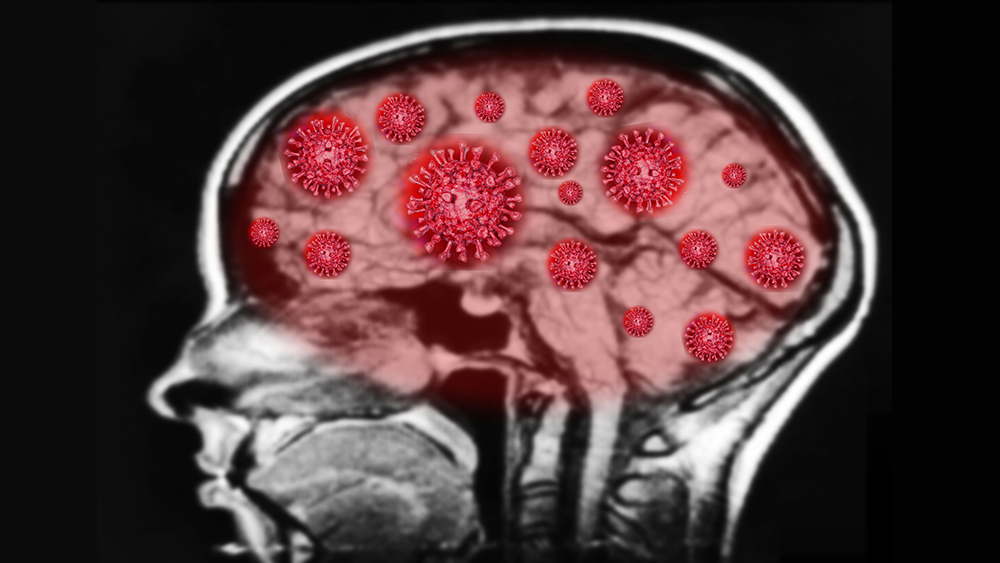
Headaches, memory problems, and fatigue are just some of the neurological impacts that arise during coronavirus infection and can last well beyond the acute period. 

Even early on in the pandemic, researchers surmised that direct infection of the brain could be the cause.

“We took that as our hypothesis at the start, too. But so far, there has been no clear evidence that the coronavirus can persist in the brain, let alone proliferate,” explains Dr. Helena Radbruch, head of the Chronic Neuroinflammation working group at the Department of Neuropathology at Charité. 

“For that, we would have needed to find evidence of intact virus particles in the brain, for example. Instead, the indications that the coronavirus could infect the brain come from indirect testing methods, so they aren’t entirely conclusive.”

According to a second hypothesis, the neurological symptoms would instead be a kind of side effect of the strong immune response the body deploys to defend against the virus. 

Past studies have produced indications that this might be the case. The current Charité study now bolsters this theory with detailed molecular biology and anatomical results from autopsies.

Wednesday, February 21, 2024

Trump is still not well


What's next for the well-equipped MAGAnut?

Don't actually expect to get Trump products. In the case of his $399 sneakers, they will not be shipped for several months (or maybe never). The fine print reads: "We cannot guarantee when an order will arrive. Consider any shipping and transit time offered to you by us only as an estimate." The gold high-tops might get shipped in August but "cannot be guaranteed. We are not liable for any delays in shipment."


Fly-fishing fundamentals


The Unseen Invasion of Microplastics in Our Lives

Plastic Planet

By SANTA FE INSTITUTE 

Waste is an inherent outcome of life on Earth and the functioning of human economies. 

Over time, living systems have adapted to transform waste, with organisms such as dung beetles playing a crucial role in decomposing the feces of other species

However, managing waste continues to be a significant challenge within human societies.

As the world population continues to grow and rapidly urbanize — two-thirds of humans will be city dwellers by 2050, according to the United Nations — our waste is driving a mounting worldwide crisis. Microplastics blanket the planet and infiltrate our bodies, wastewater pollutes our waterways, and greenhouse gas emissions are driving global climate change.