Menu Bar

Home           Calendar           Topics          Just Charlestown          About Us

Sunday, December 23, 2018

Yes Vlad

By Matt Osborne  ·

Image may contain: 2 people, people smiling, people standing and outdoorIn his yearly press conference, Russian President of the United States Vladimir Putin told reporters that the American military presence in Japan is “complicating the search for a formal peace treaty between Moscow and Tokyo.”

Such a treaty would finally end territorial disagreements dating all the way back to the waning days of the Second World War.

According to Reuters, Putin specifically cited the presence of US anti-missile systems in Japan as “part of the U.S. strategic potential” hindering his supposed efforts to reach an agreement with Prime Minister Shinzo Abe.

In a performative bit of concern-trolling, Putin criticized the ongoing relocation of a U.S. Marine Corps Air Station from the southern island of Okinawa to a northern district of Japan. 


All I want for Christmas

Progressive comic about kids asking Santa for impeachment

UPDATED: Yeah, let's take him at his word.


US healthcare costs for animal-related injuries exceed $1 billion every year

Numbers likely to rise amid climate change and development pressure
BMJ

Related imageThe healthcare costs of injuries caused by encounters with animals in the USA exceed US$1 billion every year, finds research published in the online journal Trauma Surgery and Acute Care Open.

These figures exclude doctors' fees, outpatient clinic charges, lost productivity, or the costs of rehabilitation, and so are likely to be higher still, warn the researchers, who add that the numbers of injuries are likely to increase amid the impact of climate change and development pressures on animal habitats.

Most of the available evidence on the extent and costs of injuries caused by encounters with animals in the US has drawn on death certification data or short-term hospital studies.


Why the Mediterranean diet works

What's behind Mediterranean diet and lower cardiovascular risk?
Brigham and Women's Hospital

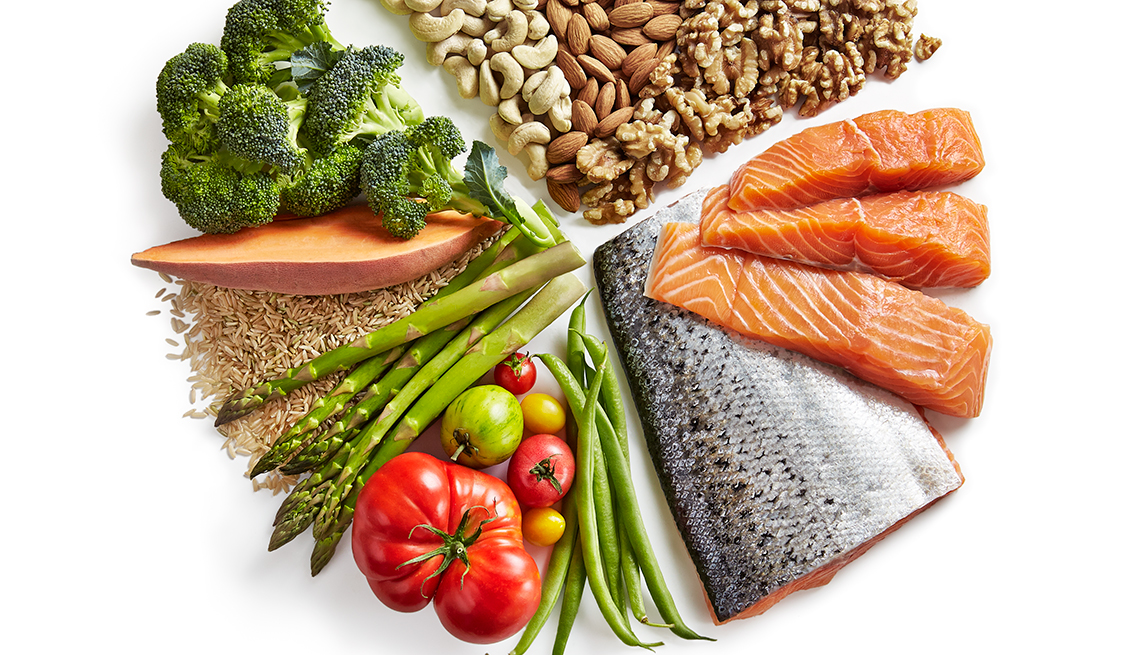
Image result for Mediterranean dietA new study by investigators from Brigham and Women's Hospital, Harvard Medical School, and the Harvard T.H. Chan School of Public Health offers insights from a cohort study of women in the U.S. who reported consuming a Mediterranean-type diet. 

Researchers found a 25 percent reduction in the risk of cardiovascular disease among study participants who consumed a diet rich in plants and olive oil and low in meats and sweets. 

The team also explored why and how a Mediterranean diet might mitigate risk of heart disease and stroke by examining a panel of 40 biomarkers, representing new and established biological contributors to heart disease. The team's results are published in JAMA Network Open.


Russian Dirty Tricks For All To See

Senate Report Lays Bare the Kremlin’s Continuing Assault on U.S. Democracy
By Terry H. Schwadron, DCReport New York Editor

Image result for russiagateFinally, here’s an official report that says there were dirty tricks in the 2016 elections, just as we’re hearing about more localized dirty tricks in the elections in November.

The report by cybersecurity experts hired by the Senate Intelligence Committee released on December 17 says without hesitation that it was the Russians who used a wide variety of social media outlets to spread disinformation aimed at suppressing the black vote in America and to move conservatives toward candidate Donald Trump.  

It wasn’t a 400-pound guy on a couch in New Jersey, no matter what Trump says.


Saturday, December 22, 2018

A Tsunami Of Trumpism

The Wall, the Shutdown, Mattis, Syria, Afghanistan—It’s a Tidal Wave of Incompetence
By Terry H. Schwadron, DCReport New York Editor

Trump has moved ahead with a partial government shutdown, rather than accept a budget without the Wall.

Under pressure from the most conservative of his supporters, Trump is betting that this is the moment to take a stand, rather than sign the usual, last-minute, kick-the-can-down-the-road temporary delay otherwise backed by his Republican congressional majority to a new Congress with a Democratic House majority.

Let’s be clear here. We’re all losing. But rather than appearing to suffer a personal defeat, the president is making the rest of us feel it too.

As the rest of the day’s news has made clear, this president cares only about his opinion about matters of finance, security, immigration or national defense, and will ignore advice or suffer the loss of important advisers like James T. Mattis as defense secretary over the abrupt withdrawal of troops in Syria and Afghanistan. The wall has been central, but not alone, in causing heads to shake.

As Trump becomes more and more isolated the full range of White House action based on gut and campaign promises and virtually no actual information become much more important and potentially dangerous.

In one week, we’ve seen major disagreements about monetary policy, troop deployment and now whether we actually have a working government.


Rehabilitation

Progressive comic about Trump on work-release as Santa

The full story on climate change requires the long view

A new study takes a world view
By , Colorado State University

The science is clear that human activities over the last century have contributed to greenhouse-like warming of the Earth's surface. Much of the global conversation around climate change fixates on what individual countries or regions are contributing to the problem, and what they will do (or not do) to reverse the tide.

But Colorado State University's A.R. Ravishankara, University Distinguished Professor who holds joint appointments in the departments of chemistry and atmospheric science, says the full picture is longer and more complex than meets the eye. It involves a legacy of past actions, as well as irreversible commitments for the future.

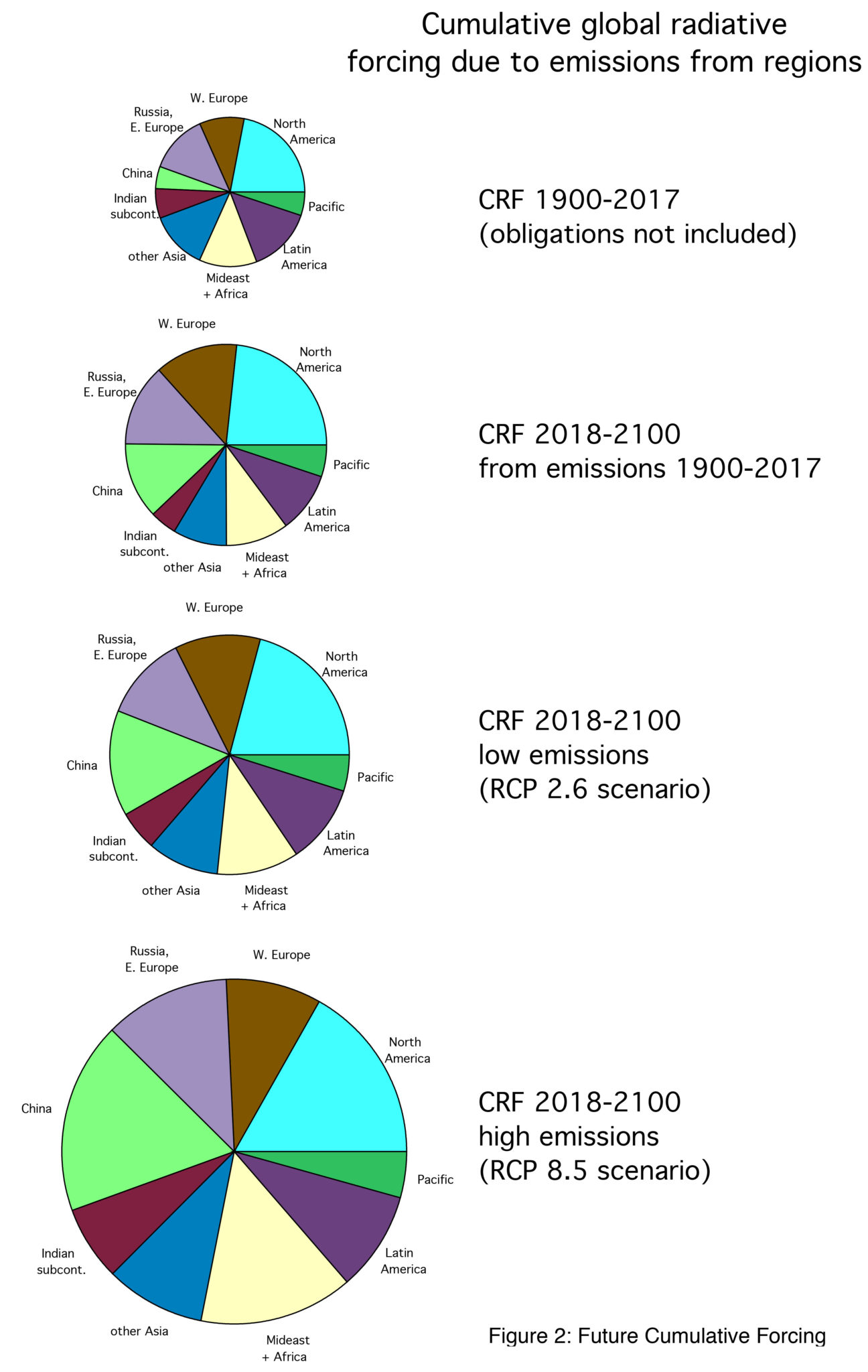
Ravishankara and co-author Daniel Murphy of the National Oceanic and Atmospheric Administration offer a new calculation that provides the long view of what nine different world regions have contributed to climate change since 1900. 

They also show how that breakdown will likely look by 2100 under various emission scenarios. Their study is in Proceedings of the National Academy of Sciences, Dec. 17.

They call their calculation "cumulative radiative forcing" because it integrates the ebb and flow of climate factors throughout the past century, rather than just a snapshot of what it is today. 


Oyster farming is good for wild oysters

Oyster aquaculture limits disease in wild oyster populations
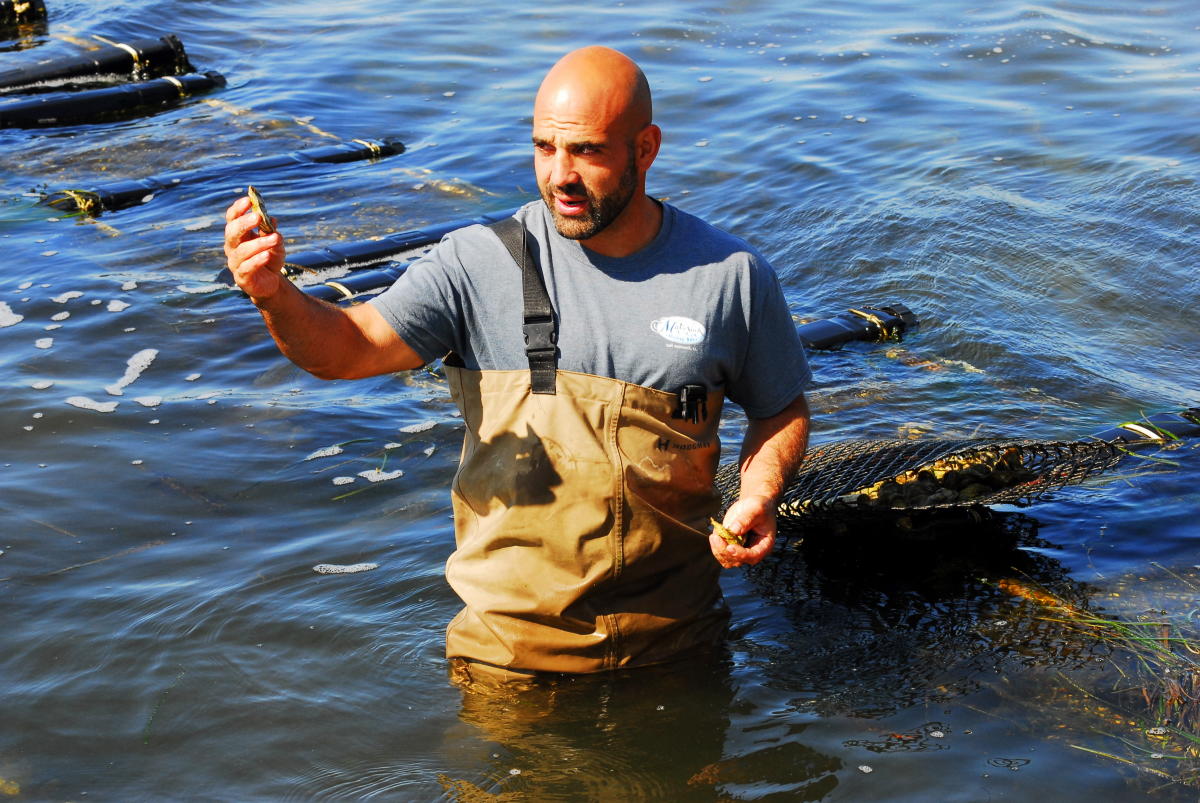
Related imageA fisheries researcher at the University of Rhode Island has found that oyster aquaculture operations can limit the spread of disease among wild populations of oysters. The findings are contrary to long-held beliefs that diseases are often spread from farmed populations to wild populations.

“The very act of aquaculture has positive effects on wild populations of oysters,” said Tal Ben-Horin, a postdoctoral fellow at the URI Department of Fisheries, Animal and Veterinary Sciences in the College of the Environment and Life Sciences. 

“The established way of thinking is that disease spreads from aquaculture, but in fact aquaculture may limit disease in nearby wild populations.”


"I'll be watching you"

The privacy risks of compiling mobility data
Massachusetts Institute of Technology

Image result for privacy and mobility dataA new study by MIT researchers finds that the growing practice of compiling massive, anonymized datasets about people's movement patterns is a double-edged sword: While it can provide deep insights into human behavior for research, it could also put people's private data at risk.

Companies, researchers, and other entities are beginning to collect, store, and process anonymized data that contains "location stamps" (geographical coordinates and time stamps) of users. 

Data can be grabbed from mobile phone records, credit card transactions, public transportation smart cards, Twitter accounts, and mobile apps. Merging those datasets could provide rich information about how humans travel, for instance, to optimize transportation and urban planning, among other things.

But with big data come big privacy issues: Location stamps are extremely specific to individuals and can be used for nefarious purposes. Recent research has shown that, given only a few randomly selected points in mobility datasets, someone could identify and learn sensitive information about individuals. 


Friday, December 21, 2018

VIDEO: Look at me


To see this video on YouTube: https://www.youtube.com/watch?v=94P_WNFTFoM

For your last minutes shopping...


For more cartoons by Jen Sorenson, CLICK HERE.

At the Mystic Aquarium


Weekends with Rudolph & Friends


Weekends in December | 11:00am - 3:00pm

Take a photo with Rudolph & Bumble worthy of your holiday cards!

Vacation Week Festivities


December 26 - January 1 | 11:00am - 3:00pm

Vacation with Santa and his elves and enjoy live entertainment each day.

Marine Biology Mentor Series


December 26 - 29 | 9:00am - 2:00pm daily
The series provides high school students with an opportunity to explore different career paths.


NYE Black & White Ball


December 31 | 8:00pm - 1:00am
Ring in the new year with live music by The Boston Premier Band, gourmet food stations and a visit with penguins! Must be 21+


Family Game Days


Every Saturday in January | 11:00am - 3:00pm
Compete against family and friends with supersized games all day long!


Trainer Days


Every Sunday in January | 10:30am - 3:30pm
Bring your most riveting marine animal questions and get to know the trainers who care for our animals.


Seal Splash


February 16 | 11:00am - 12:30pm | Zbierski House, Groton
Make a SPLASH and help raise funds for our Animal Rescue Program.


Looking for last-minute holiday gift ideas?

Purchase your limited edition 2019 Mystic Aquarium calendar featuring 12 full-colored photos of our most beloved animals and a fun fact about the species.