Book Review: How to Confront the Fear of Cancer
In the ensuing decades, experts have debated the effectiveness of the aggressive, all-out approach: Surely there have been many advances, great and small, including an improvement in overall survival rates across all types of cancers.
Indeed, few weeks go by without a report of some exciting development, whether it’s a new cancer drug or a new scientific breakthrough.
Yet there have also been critics, along with a steady stream of books, lamenting the underfunding of cancer research in the earliest stages of disease, the herky-jerky pace of progress, and the cost — both physical and financial — of the vast war.
One area that has received relatively little criticism is cancer screening, that group of tests such as Pap smears, mammograms, and blood work. The promise of early detection is irresistible: more effective and less toxic treatments, higher cure rates, and fewer long-term effects from chemotherapy or surgery or radiation. But current tests also have serious limitations, and debates rage in scientific and public health corridors regarding whom to screen, how often to screen, and what to screen with.
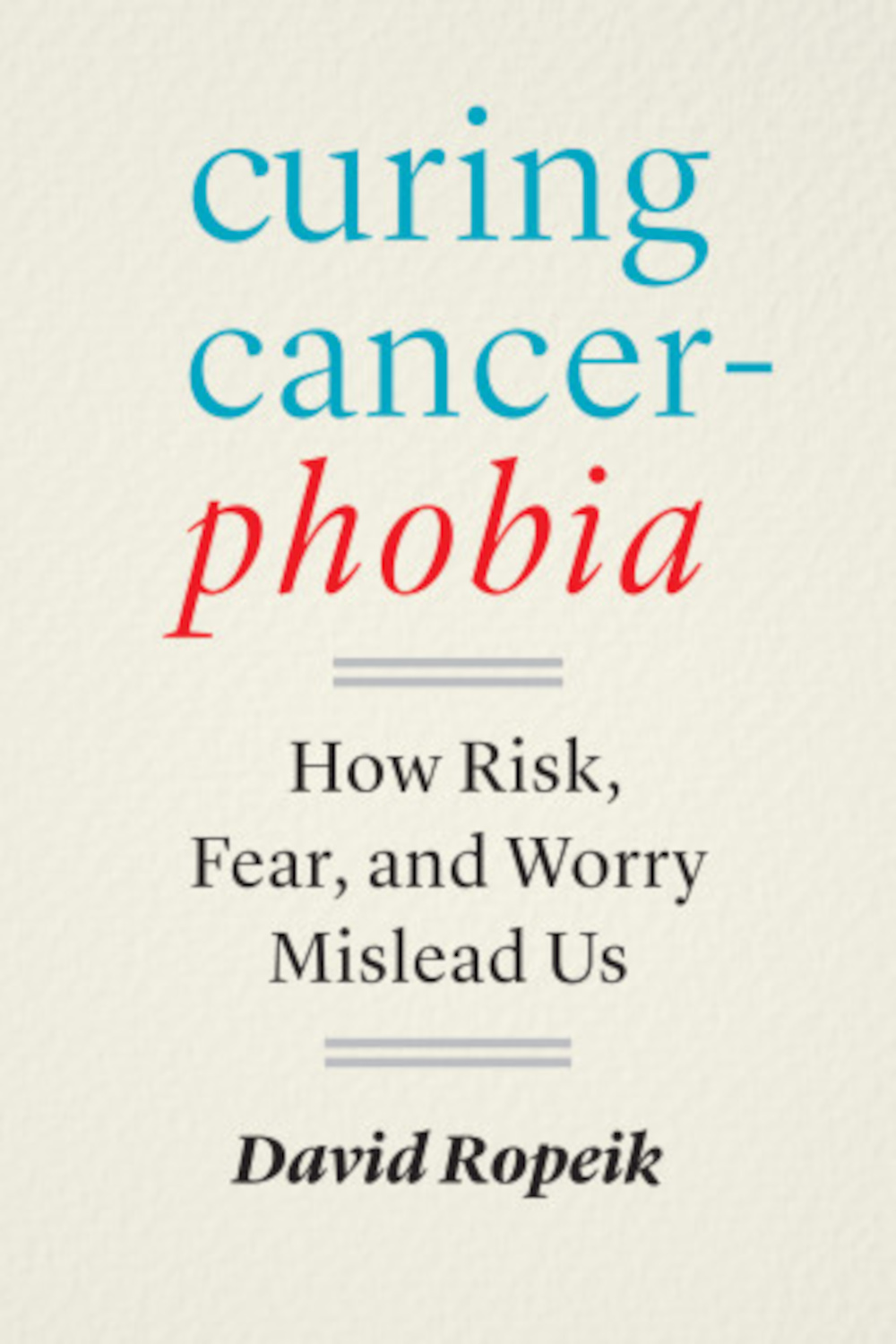
In "Curing Cancerphobia: How Risk, Fear, and Worry Mislead Us," David Ropeik takes a deep dive into the world of cancer screening and raises a troubling question: Has screening, despite its clear medical and psychological benefits, inadvertently created an irrational fear of cancer — a cancerphobia — that, in turn, has needlessly frightened or harmed people? “A fair reading of the evidence,” he maintains, “supports the observation that, in some cases, our fear of cancer exceeds the actual risk and does great harm all by itself.”










.webp)