Menu Bar

Home           Calendar           Topics          Just Charlestown          About Us

Saturday, July 29, 2023

Billions of nanoplastics released when microwaving baby food containers

Exposure to plastic particles kills up to 75% of cultured kidney cells

University of Nebraska-Lincoln

The fastest way to heat food and drink might also rank as the fastest route to ingesting massive quantities of minuscule plastic particles, says new research from the University of Nebraska-Lincoln.

Experiments have shown that microwaving plastic baby food containers available on the shelves of U.S. stores can release huge numbers of plastic particles -- in some cases, more than 2 billion nanoplastics and 4 million microplastics for every square centimeter of container.

Though the health effects of consuming micro- and nanoplastics remain unclear, the Nebraska team further found that three-quarters of cultured embryonic kidney cells had died after two days of being introduced to those same particles. A 2022 report from the World Health Organization recommended limiting exposure to such particles.

First contact with aliens could end in colonization and genocide if we don’t learn from history

We don't have a good history of "first contacts" with new civilizations

David Delgado Shorter, University of California, Los Angeles; Kim TallBear, University of Alberta, and William Lempert, Bowdoin College

We’re only halfway through 2023, and it feels already like the year of alien contact.

In February, President Joe Biden gave orders to shoot down three unidentified aerial phenomena – NASA’s title for UFOs. Then, the alleged leaked footage from a Navy pilot of a UFO, and then news of a whistleblower’s report on a possible U.S. government cover-up about UFO research. Most recently, an independent analysis published in June suggests that UFOs might have been collected by a clandestine agency of the U.S. government.

If any actual evidence of extraterrestrial life emerges, whether from whistleblower testimony or an admission of a cover-up, humans would face a historic paradigm shift.

As members of an Indigenous studies working group who were asked to lend our disciplinary expertise to a workshop affiliated with the Berkeley SETI Research Center, we have studied centuries of culture contacts and their outcomes from around the globe. Our collaborative preparations for the workshop drew from transdisciplinary research in Australia, New Zealand, Africa and across the Americas.

In its final form, our group statement illustrated the need for diverse perspectives on the ethics of listening for alien life and a broadening of what defines “intelligence” and “life.” Based on our findings, we consider first contact less as an event and more as a long process that has already begun.

Friday, July 28, 2023

“If history tells us anything, it’s that we never learn from history.”

Learning From History, If We Dare

By Gary M. Feinman, originally published by Resilience.org

This article was produced by Human Bridges, a project of the Independent Media Institute.

The New Gilded Age, wars along the Russian border, a global pandemic, battles for women’s rights, even the Titanic: history does rhyme with the present. Yet as former New York Times columnist Bob Herbert once observed:

“If history tells us anything, it’s that we never learn from history.”

That’s something we can realistically change. And if we do, we’ll have an easier time addressing the macro and multiple challenges humanity faces, and finding the pathways to necessary compromises and alliances with people across all borders.

But our blinders and misconceptions about the past constrain the knowledge that we have to plan for a better future. Societies don’t get much out of living memory because the longer-term ramifications from recent decisions generally remain unsettled, and most of the big problems we face are the cumulative products of decades or centuries of the wrong approach to humanity’s histories and transitions.

To leverage and learn from humanity’s history regarding what fostered sustainability in the past, we need to know the outcomes.

The good news is that through concerted research in history and archaeology, we now know a great deal more about the different paths that people have taken and their outcomes than we did just fifty years back. 

Long-term perspectives on cities, states, and empires are now much fuller and more regionally diverse than was known decades ago. Synthetic, comparative analyses have been undertaken. We now know what worked and what did not.

Life in GOPland


Coming to Charlestown next week


Hidden Epidemic

 One in Five Adults May Suffer From Dangerous Snoring

By EUROPEAN RESPIRATORY SOCIETY 


Science shows one in five French guys snore
Approximately 20% of French adults may have obstructive sleep apnoea (OSA), but only a fraction are diagnosed and treated, according to a study. 

The research also found that OSA is more prevalent in certain demographics, including men and older individuals, with women often undiagnosed.

According to a recent study published in the ERJ Open Research, it’s estimated that as many as one in five individuals could be grappling with obstructive sleep apnoea (OSA).

Those afflicted with OSA frequently experience symptoms such as loud snoring, interruptions in breathing throughout the night, and recurring awakenings. Beyond causing fatigue, OSA may also heighten the risk of serious health issues, including hypertension, stroke, heart diseases, and type 2 diabetes.

Treatments and lifestyle changes can help people with OSA. However, the new study also suggests that only a small proportion of people with symptoms of OSA have been diagnosed and are receiving help for the condition.

The study included data on 20,151 French adults. Researchers recorded how many participants had been diagnosed with OSA. They also used a questionnaire to gauge how many participants might have undiagnosed OSA. The questionnaire focuses on heavy snoring and excessive daytime sleepiness (the two most common OSA symptoms), high blood pressure, and obesity.

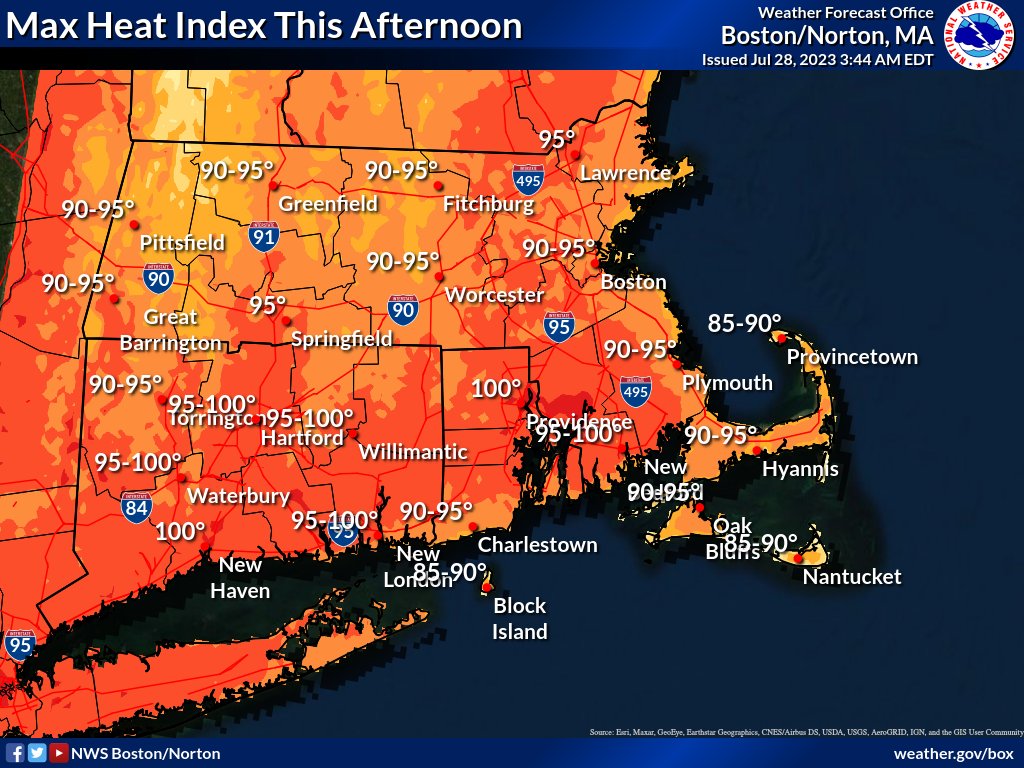
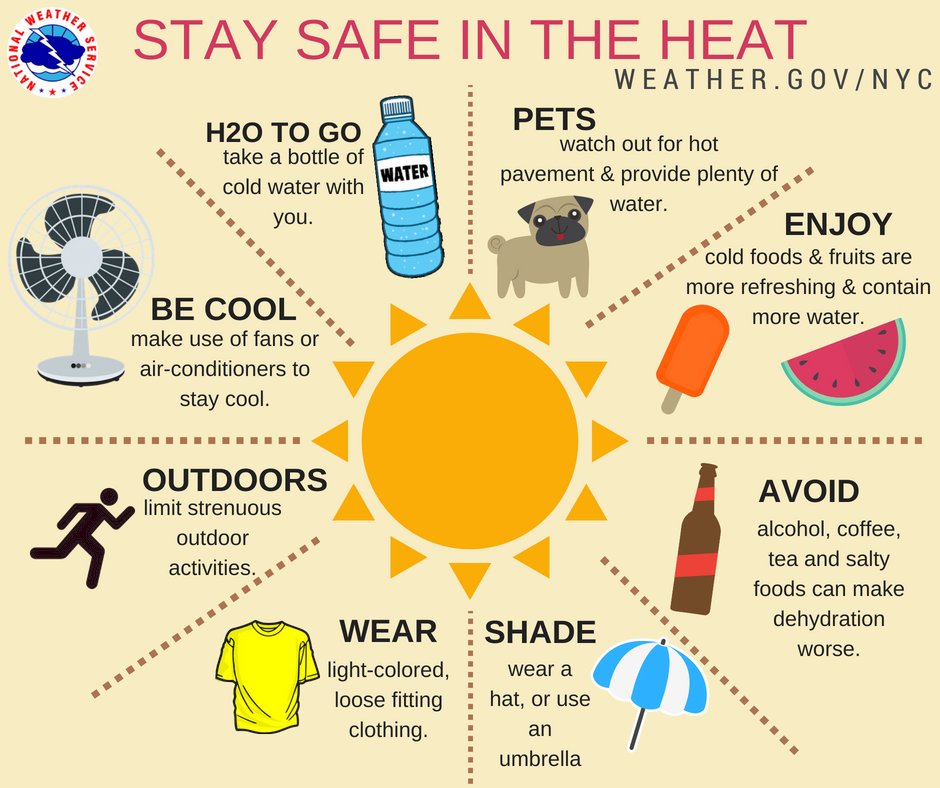
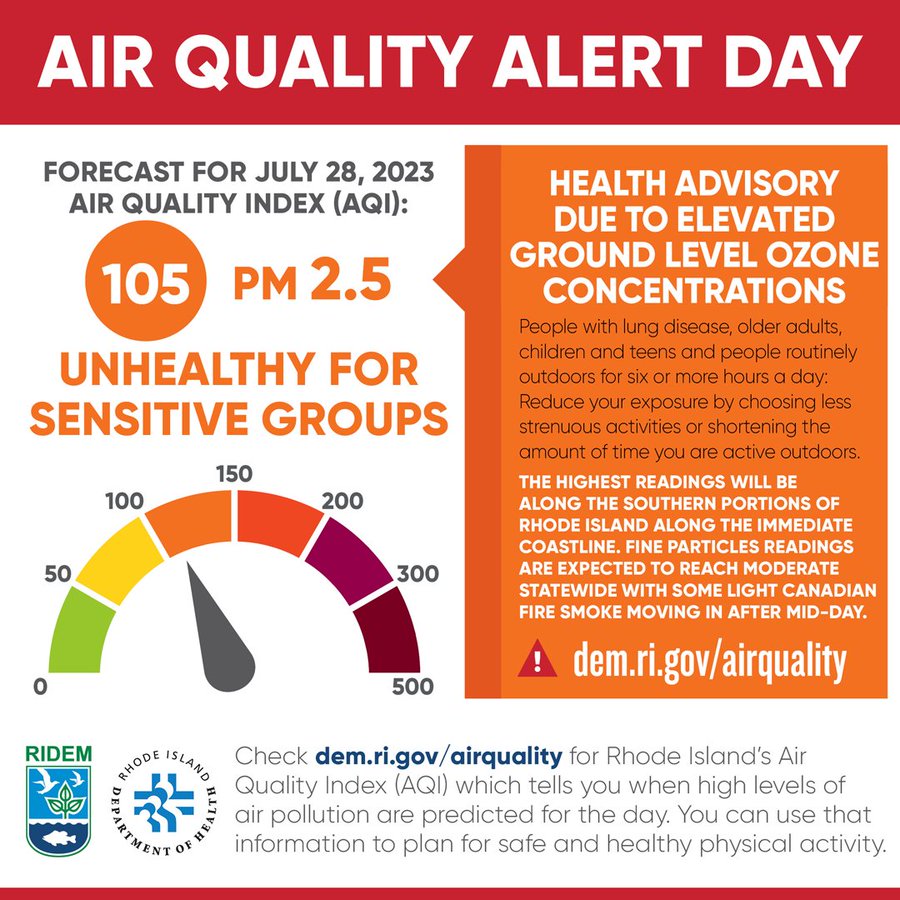
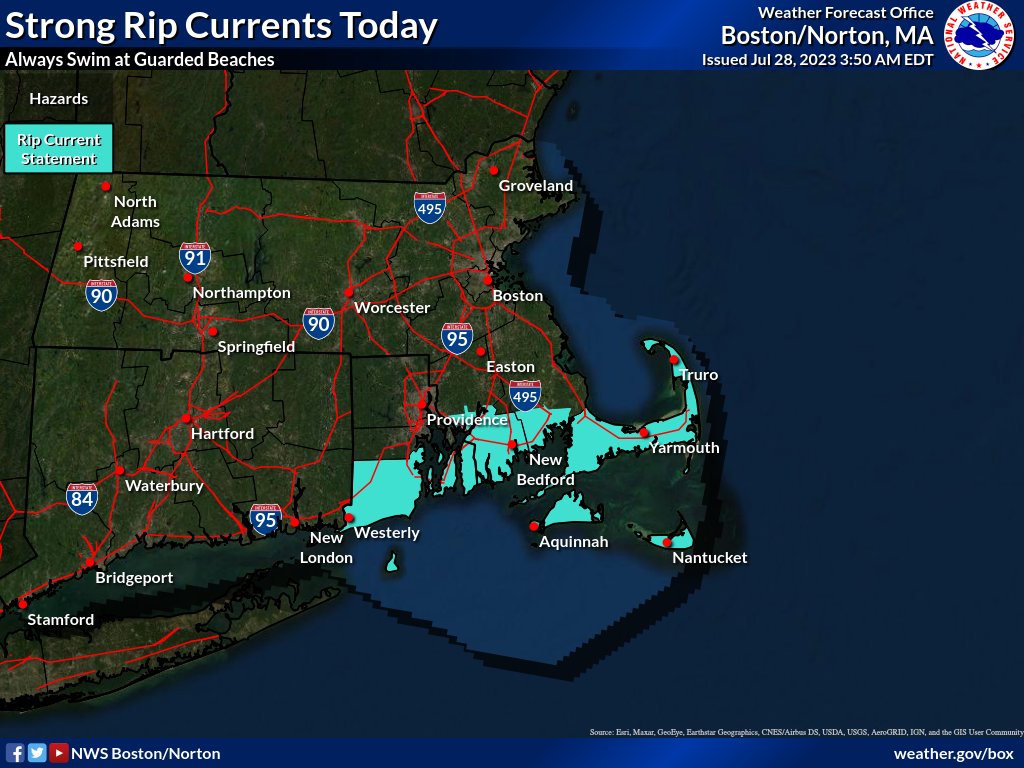
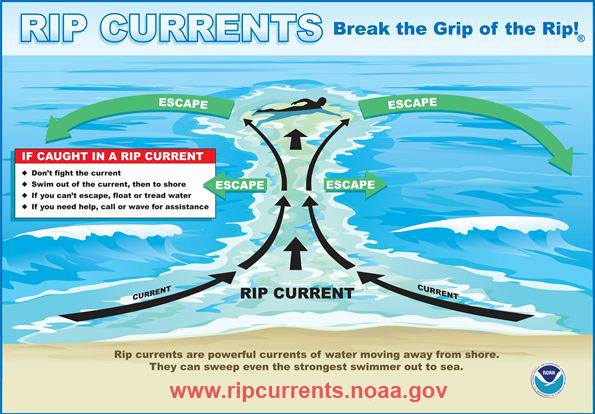
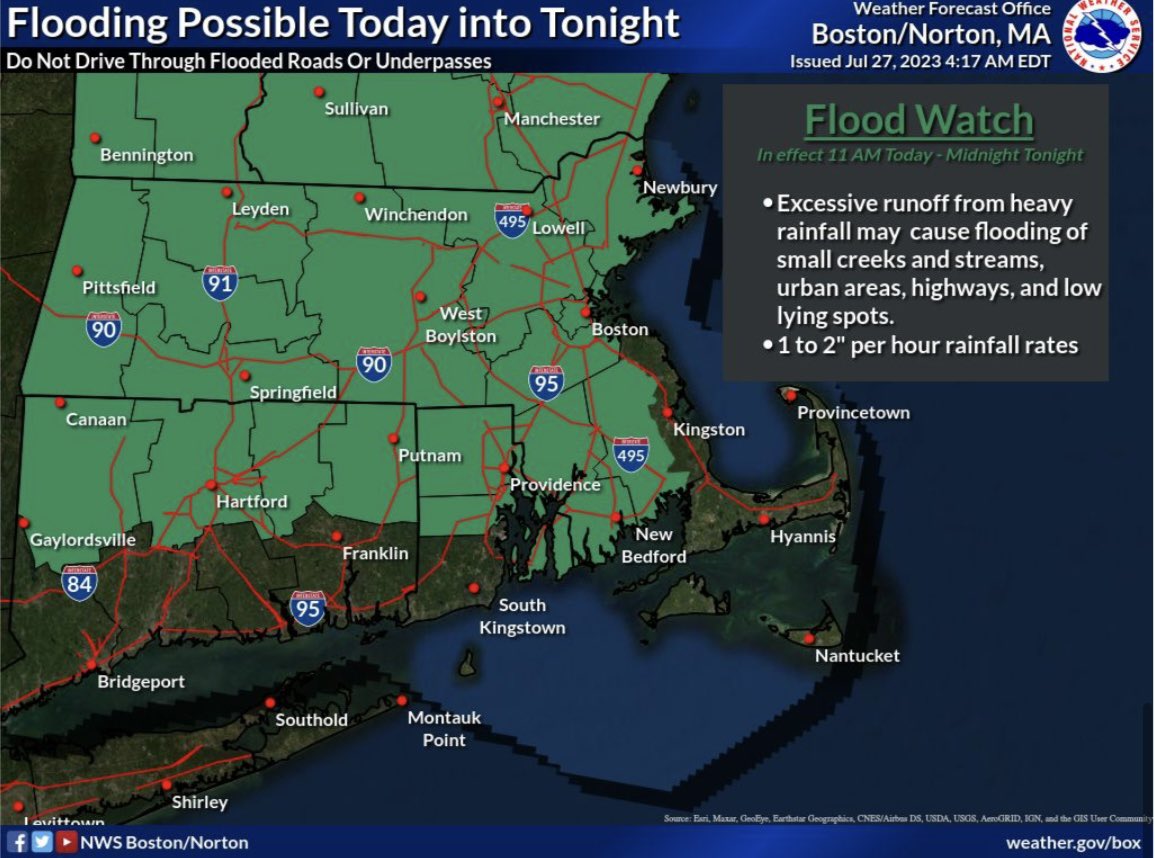
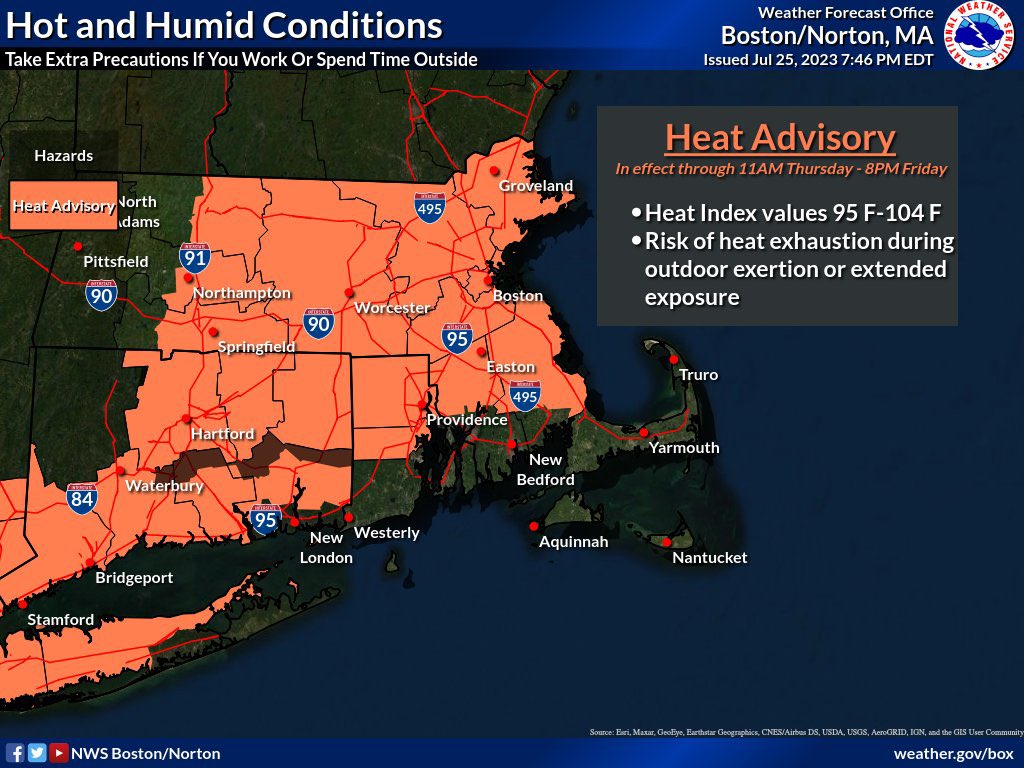
Today's health warnings and suggestions: heat, bad air and rip currents


International Space Station flies over Charlestown tonite at 9:52

ISS will make 6-minute-long journey across C-Town sky tonight
By Will Collette

CRS-20 - Final Dragon 1 arrives at the ISS - NASASpaceFlight.com

The International Space Station (ISS) has been making a number of overflights of Charlestown over the past couple of weeks, but I only report on those where both the duration of the flight and the weather mesh. No point in reporting an event you are not likely to see.

The National Weather Service forecast calls for clear skies, so chances are good for a viewing of the International Space Station as it flies over Charlestown at 9:02 tonight. They are forecasting thunderstorms for later in the night.

It will be a six-minute run, just shy of the maximum amount of time it takes for the ISS to go from one end of the horizon to the other.

The space station will appear as if out of nowhere at 9:02 PM sharp in the northwest at 10 degrees over the horizon.

Time: Fri Jul 28 9:02 PM, Visible: 6 min, Max Height: 55°, Appears: 10° above NW, Disappears: 14° above ESE 

It will rise to 55 degrees and track to the east southeast where it will disappear at a low 14 degrees above the horizon as it loses the sun's reflected light.

Feds launch probe of artificial intelligence

Consumer protection is the opening salvo of US AI regulation

Anjana Susarla, Michigan State University

The FTC probe of ChatGPT maker OpenAI aligns with
concerns that members of Congress have expressed.
 AP Photo/Michael Dwyer
The Federal Trade Commission has launched an investigation of ChatGPT maker OpenAI for potential violations of consumer protection laws. The FTC sent the company a 20-page demand for information in the week of July 10, 2023.

The move comes as European regulators have begun to take action, and Congress is working on legislation to regulate the artificial intelligence industry.

The FTC has asked OpenAI to provide details of all complaints the company has received from users regarding “false, misleading, disparaging, or harmful” statements put out by OpenAI, and whether OpenAI engaged in unfair or deceptive practices relating to risks of harm to consumers, including reputational harm. 

The agency has asked detailed questions about how OpenAI obtains its data, how it trains its models, the processes it uses for human feedback, risk assessment and mitigation, and its mechanisms for privacy protection.

As a researcher of social media and AI, I recognize the immensely transformative potential of generative AI models, but I believe that these systems pose risks. In particular, in the context of consumer protection, these models can produce errors, exhibit biases and violate personal data privacy.

Thursday, July 27, 2023

Mega-mergers and the public interest

The Big and the Bad

by Philip Mattera, director of the Corporate Research Project for the Dirt Diggers Digest

Curb the growth of corporate Godzillas
Proposed new guidelines on merger enforcement just released by the Federal Trade Commission and the Justice Department are a welcome development. In many industries, takeovers have put U.S. consumers at the mercy of a small number of mega-corporations all too willing to use their market power aggressively.

DOJ and FTC have put forth 13 guidelines under which the agencies could block mergers that eliminate substantial competition, increase concentration, entrench or extend a dominant position and so forth. Mergers that substantially lessen competition for workers could also be targeted.

Along with the market benefits that would come from slowing consolidation (reduction in the number of firms in an industry) and concentration (increase in the share of business activity controlled by a small number of large firms), this new aggressive posture could also help to restrain the growth of corporate misconduct.

The reason is that as corporations grow larger and more dominant they seem to become more inclined to break the rules—not only the rules against price-fixing but also those concerning labor standards, environmental protection, transportation safety and much more. Evidence for this can be found in the data collected in Violation Tracker.

A prime example is the financial services sector. The country’s four largest banks—JPMorgan Chase, Bank of America, Citigroup and Wells Fargo—account for $180 billion in cumulative penalties since 2000. This is nearly half of the penalties paid by all of the 330 parent companies in this sector covered by Violation Tracker.

Penalty concentration is even greater in the petroleum industry, where the top five oil companies—Exxon Mobil, Shell, Chevron, BP and ConocoPhillips—are responsible for cumulative penalties of $42 billion. That is three-quarters of the $55 billion paid by all the companies in the sector.

Lock him up!


How Trumponomics works


Lots of issues of local interest under study

Legislative study commissions used to be where bills went to die. Not anymore.

By Nancy Lavin, Rhode Island Current

One new study commission will try to figure out
where all the quahogs are going.
Ten years have passed since Rep. Jennifer Boylan crouched next to her son in his fourth-grade classroom, practicing what to do if someone with a gun ever entered the school.

But the memory from the lockdown drill lingers in the Barrington Democrat’s mind: The students huddled next to cubbies because they had no closet to hide inside. The stricken looks Boylan exchanged with the teacher, both thinking of the Sandy Hook Elementary School shooting a few months prior. And the rattling of the door knob as police checked to make sure the door was closed.

“Everyone jumped about a mile,” Boylan recalled. 

How to improve school safety drills and active shooter sweeps — and reduce the trauma that students and teachers might suffer from them — is the focus of a newly created commission formed under legislation sponsored by Boylan. 

Also on the docket for lawmakers in the policymaking off-season: quahogs, miniature alcohol bottles, forest fires and Airbnbs, to name a few. Twelve legislative study commissions have or will soon kick off thanks to resolutions passed in the 2023 legislative session. That’s in addition to 10 created in prior years that have been extended into the upcoming year.

Study commissions were once considered a kind of political purgatory where controversial topics get shunted to sit in eternal limbo. Not anymore, thanks in part to a crop of legislative victories resulting from the work of these legislative panels.

“That this is where bills go to die is flatly wrong,” said Sen. Mark McKenney, a Warwick Democrat. “It has historically been the case, when there is not a clear critical mass behind a particular idea, it might get shunted to a study commission. But the reality is that these are issues that take more time to percolate or be considered in-depth.”

He should know.

McKenney was one of 12 people to wade into the controversial waters of public shoreline access through a study commission created in 2021. Its resulting recommendation on where to draw the line between public and private on the sand was the basis for successful legislation signed into law last month.

Advocates touted the work of the shoreline access commission, and its chairwoman, Rep. Terri Cortvriend, a Portsmouth Democrat, for turning the tide on a long-debated topic. And lawmakers now look for similar success to follow from panels studying equally controversial issues.

Teamsters win new contract for UPS drivers averting nationwide strike

Strike could have delayed deliveries for consumers and retailers

Jason Miller, Michigan State University

Teamsters employed by UPS practiced holding rallies ahead
of the strike that wasn’t. AP Photo/Damian Dovarganes
The International Brotherhood of Teamsters union and UPS have agreed on a new five-year contract that boosts wages and guarantees more air conditioning in drivers’ trucks. The tentative deal, struck on July 25, 2023, came one week before an Aug. 1 deadline that the Teamsters had set for threatened strike – which would have been the first by UPS workers since 1997.

The Conversation asked Jason Miller, a supply chain scholar at Michigan State University, to explain what happened and to sum up the significance of this deal, which is slated to keep 300,000 workers on the job.

What’s in this contract?

UPS has agreed to:

  1. Increase starting hourly pay for part-time workers to US$21, up from $16.20;

  2. Raise the hourly pay of existing part- and full-time workers by $2.75 in 2023 and $7.50 more over the next five years;

  3. Make Martin Luther King Jr. Day, the third Monday of January, a paid holiday;

  4. Stop requiring UPS employees to work overtime hours on their days off;

  5. Add fans and install air conditioning in many trucks to improve cooling;

  6. Create another 7,500 full-time Teamster jobs and fill 22,500 open positions;

Teamsters General President Sean O'Brien hailed the agreement as a victory. “This contract sets a new standard in the labor movement and raises the bar for all workers,” he said.

We're getting hammered by the weather

Heat advisory, high surf warning, flooding alert. Locusts next?

WWA Summary by Location for 41.38N 71.65W with RIZ006/RIC009/RIZ006 emphasis High Surf Advisory (weather.gov)


The National Weather Service has extended the heat warning to Charlestown through Saturday.