Menu Bar

Home           Calendar           Topics          Just Charlestown          About Us

Thursday, August 10, 2023

Climate costs at the market

Farmers face steep crop losses in US Northeast amid summer storms

GRACE VAN DEELEN 

University of Vermont photo
While much of the country suffers from extreme heat this summer, the US Northeast has seen excessive rains and extreme flooding, conditions that have decimated crops, drowned livestock, and left farmers struggling.

July has been especially wet for Connecticut, Massachusetts, Pennsylvania, New York, Vermont, New Hampshire, and Maine.  Hartford, Connecticut, for instance, has seen over 400% more rainfall than the historical average. After an already wetter-than average summer, a series of strong storms have overwhelmed rivers, causing them to jump their banks and flood farm fields across the region.

Old and hot

Climate change are putting ever more people at risk

Deborah Carr, Boston University; Giacomo Falchetta, International Institute for Applied Systems Analysis (IIASA), and Ian Sue Wing, Boston University

Without home cooling, Phoenix’s weeks with temperatures
over 110 F in July 2023 became dangerous. 
Brandon Bell/Getty Images
Scorching temperatures have put millions of Americans in danger this summer, with heat extremes stretching from coast to coast in the Southern U.S.

Phoenix hit 110 degrees Fahrenheit (43.3 Celsius) or higher every day for over three weeks in July. Other major cities, from Las Vegas to Miami, experienced relentless high temperatures, which residents described as “hell on earth.”

While the evening news runs footage of miserable sunbathers on Miami Beach and joggers in Austin, Texas, dousing themselves with water, these images conceal a growing hidden crisis: the millions of older adults who are suffering behind closed doors.

As researchers who study older adults’ health and climate change, we have found that two societal trends point to a potentially dire future: The population is getting older, and temperatures are rising.

Some of the country’s hottest states, including Arizona, are forecast to see dramatic growth in their older adult populations. But heat isn’t just a problem in the South: Northern populations also face rising risks from extreme heat that many people aren’t accustomed to.

Communities, families and older residents need to understand these risks and be prepared.

Wednesday, August 9, 2023

Cruising Seven Seas on Carbon-Spewing Sea Serpents

Cruise ship industry generates plenty of marine pollution, carbon emissions

By Frank Carini / ecoRI News staff

The Icon of the Sea
In January, even as the cruise ship industry promises to make zero-emission vessels widespread by 2030 and achieve a goal of “net-zero carbon cruising” by 2050, one of the major cruise lines is expected to unleash a 1,200-foot-long, 250,800-ton, fossil-fuel-powered behemoth.

The Icon of the Seas (left), soon-to-be the largest cruise ship in the world, is set to begin wreaking environmental and climate havoc early next year. The ship can hold a maximum of 7,600 passengers, plus 2,350 crew members. It will feature a six-slide waterpark, seven pools, nine whirlpools, and a 55-foot waterfall.

The monstrosity also features more than 40 entertainment venues, including bars, restaurants, bowling alleys, and a casino, is 20 decks high, and is five times larger and heavier than the Titanic. It has some 3,000 bathrooms.

The ship is powered by liquefied natural gas, as “part of the company’s move to a clean-energy future,” according to a story published in June by CNN.

The current title holder of the world’s largest cruise ship is the diesel-powered Wonder of the Seas, which made its inaugural voyage in 2021 and is a slightly less obnoxious 1,188 feet in length and 235,600 tons. It has a mere 18 decks.

Both sea serpents are part of the Royal Caribbean International fleet.

In 1999, the Miami-based subsidiary of the Royal Caribbean Group, which is incorporated in Liberia, was forced to pay $18 million in fines for 21 federal felonies due to dumping hazardous chemicals and waste oil in coastal waters. Corporate officials also lied to the Coast Guard and Department of Justice by falsifying oil logs to cover up the crimes.

Elon's got a lot to learn

By Kevin Siers


Trumpers love this

Rhode Island’s New Chief Resiliency Officer Being Set Up to Fail

Second time around 

By Frank Carini / ecoRI News columnist

Shaun O'Rourke (Motif magazine)
The spring announcement was merely an interdepartmental reshuffle of a position asked to perform a miracle. To make it look like his administration is taking the climate crisis seriously, Gov. Dan McKee moved the person largely responsible for coordinating Rhode Island’s response to the climate crisis from a cubicle at the Rhode Island Infrastructure Bank to one at the state Department of Environmental Management.

McKee announced May 22 via an executive order and a press release that he was “re-establishing the position of a Rhode Island Chief Resilience Officer” and tasking it with “developing and leading the implementation of the State’s comprehensive climate preparedness strategy.”

I thought we already did that five years ago.

Shortly after he was named Rhode Island’s first chief resiliency officer, in mid-September 2017, Shaun O’Rourke, who was already handling other tasks, including stormwater management, for the Infrastructure Bank, was handed a monumental task by then-Gov. Gina Raimondo: write a state resiliency plan to deal with the climate crisis by July 1, 2018.

The Resilient Rhody strategy — it kind of reads like a forced tribute to former Gov. Gina Raimondo (“Under the leadership of Governor Gina M. Raimondo …,” “To accelerate actions and investments, Governor Raimondo …,” and “Resilient Rhody was developed under the leadership of Governor Raimondo …”) — focused the state’s “attention on catalytic climate resilience actions both within government and together with business, academic, and nonprofit partners. 

Building on the climate leadership of state government, municipalities, and organizations, it leverages existing studies and reports to identify critical actions that move from planning to implementation. Action today will create a stronger and safer tomorrow.”

Five years later, McKee has repackaged the job and called it progress. The only movement forward was moving the position to DEM, where it belonged in the first place — no offensive to O’Rourke, who did an outstanding job putting the Resilient Rhody plan in place in less than a year, or to the fine work being done by the Infrastructure Bank. (O’Rourke has since moved out of the state.)

Back-to-school: Avoid PFAS in your kids’ backpack

Here are brands where there's evidence of “forever chemicals” and alternatives

EHN Staff

Thirteen popular children’s backpacks have detectable levels of organic fluorine, an indicator of the group of chemicals known as PFAS, according to a new report from Mamavation.

Partnering with EHN.org, the environmental wellness blog and community had 19 backpacks from 18 brands tested by a U.S. Environmental Protection Agency-certified lab and found levels of organic fluorine ranging from 10 parts per million (ppm) to 335 ppm in 13 of the backpacks. The lab tested the inside and outside of the backpacks.

Organic fluorine is a strong indicator of per- and polyfluoroalkyl substances, also known as PFAS or “forever chemicals”— which have been linked to everything from cancer to birth defects to lower vaccine effectiveness.

EHN.org partially funded the testing and Pete Myers, chief scientist of Environmental Health Sciences, which publishes Environmental Health News, reviewed the findings. 

The Vaccine Victory

An 84% Reduction in COVID Mortality for Cancer Patients

By   

A study led by the University of Birmingham, using data from the UKCCP, showed a significant drop in COVID-related hospitalizations and mortality among cancer patients after the vaccine rollout. The research, published in Scientific Reports, spanned 21 months and found that age is a more potent mortality predictor than the type of cancer.

Cancer patients saw a significant decline in COVID-related hospitalizations and mortality following the rollout of COVID-19 vaccines in the first panoramic study of its kind.

Published July 25 in the journal Scientific Reports, the research looked at the impact of the global pandemic on case-outcome rates for cancer patients across a 21-month period from November 2020 to August 2022. 

Tuesday, August 8, 2023

Why do Republicans inflict so much harm on their own people?

And why do they take it? 

By Thom Hartmann for the Independent Media Institute 

By Christopher Weyant
Supreme Court Justice Elena Kagan was pulling no punches in calling out her six Republican colleagues on the Supreme Court in the student loan case, Biden v Nebraska. 

None of the Republican states suing would have lost a penny had Biden’s student loan forgiveness program gone forward; there was no injured party and therefore no standing to even be before the Court.

“[T]he Court,” she wrote, “by deciding this case, exercises authority it does not have. It violates the Constitution.”

Additionally, the law being debated (the HEROES Act) specifically gave the administration the power — it’s literally spelled out in the statute — to forgive student debt. Which is why Kagan called out the radical Republicans for rewriting a law authored by Congress and signed by a president, a power that is not found anywhere in the Constitution.

“That is no proper role for a court,” Kagan wrote. “And it is a danger to a democratic order.”

But six Republicans on the Court blew up the program anyway, replacing the power and authority of the United States Senate, House of Representatives, and the President with their own.

So, why would Republican state Attorneys General bring such a lawsuit to try to deny millions of students in their own states debt relief? Why would six Republicans on the Supreme Court go along with such a stupid thing?

Particularly when our 30-year experiment with the G.I. Bill shows that for every $1 the federal government invests in college-educating young people, we as a nation get back $7 in tax revenue and economic benefit (as I noted at length here on July 3rd)?

Similarly, why would Republicans fight tooth and nail to filibuster passage of the PRO Act (legislation that gives workers the right to easily form or join a union) that had already passed the House? If a corporation is organized money, why do they believe it’s wrong for workers to have a small bit of power by organizing themselves and protecting their labor?  

Indictments explained


Place your bets


Chariho to receive $425,000 in new federal funding

RI Department of Education awards $4.8 million in federal subgrants to support safe, healthy, and supportive schools

The state Education Department has awarded 12 local education agencies (LEAs) with $4.8 million in federal subgrants to establish strategies and carry out activities that will help increase students’ sense of belonging and safety. 

The Bipartisan Safer Communities Act (BSCA) authorized $1 billion in federal funding to support state education agencies, LEAs, and schools in establishing and expanding safe, healthy, and supportive learning opportunities and environments through the BSCA Stronger Connections Grant program.

“When students feel safe and supported in the classroom, they are positioned for long-term success,” said U.S. Senator Sheldon Whitehouse. “I voted for the Bipartisan Safer Communities Act, and I’m pleased this funding from the bill will help make schools safer, healthier, and more inclusive for students and educators across Rhode Island.” 

“Every student deserves to be safe and supported in the classroom,” said U.S. Representative Seth Magaziner. “By investing in education and inclusive learning environments, we will ensure that the next generation is set up for success.”

Through a competitive application process, RIDE is awarding 12 LEAs with subgrants of up to $425,000. According to federal guidelines, grantees must be considered “high need” and meet the following metrics established by RIDE:

  • LEAs with at least one Title I-A participating school with 35% or more poverty and one or more SurveyWorks student risk factors;
  • or LEAs with at least Title I-A participating schools and one or more SurveyWorks student risk factors ranked in the top ten.
  • Student risk factors include data surrounding violence and belonging in and out of school.

Unregulated toxic chemical found in breast milk for the first time

Toxic flame retardants found in household goods are accumulating in people, study finds.

Grace van Deelen in the Environmental Health News

Unregulated, toxic flame retardants called bromophenols are building up in breast milk from U.S. mothers, while levels of other regulated flame retardants are decreasing over time, according to a study published today in Environmental Pollution.

Brominated flame retardants, or BFRs, are toxic chemicals often used in electronics and appliances to prevent burning. These chemicals accumulate in human tissue and have been linked to adverse health effects such as reduced fertility and impaired brain development. 

The new study found that breast milk levels of banned flame retardants, called polybrominated diphenyl ethers or PBDEs, have decreased since researchers last measured them a decade ago, suggesting that regulation of PBDEs has been a public health success. But bromophenols, another type of BFR, were detected for the first time, showing the need for regulators to restrict the whole class of chemicals.

In the movie, this is when the shit hits the fan

Scientists predict a collapse of the Atlantic ocean current to happen mid-century

University of Copenhagen - Faculty of Science

From the "Day After Tomorrow (2004) after the Gulf Stream
collapses and the ocean inundates the land.
No Jake Gyllenhaal to rescue us
Important ocean currents that redistribute heat, cold and precipitation between the tropics and the northernmost parts of the Atlantic region will shut down around the year 2060 if current greenhouse gas emissions persist. 

This is the conclusion based on new calculations that contradict the latest report from the IPCC.

Important ocean currents that redistribute heat, cold and precipitation between the tropics and the northernmost parts of the Atlantic region will shut down around the year 2060 if current greenhouse gas emissions persist. This is the conclusion based on new calculations from the University of Copenhagen that contradict the latest report from the IPCC.

Contrary to what we may imagine about the impact of climate change in Europe, a colder future may be in store. In a new study, researchers from the University of Copenhagen's Niels Bohr Institute and Department of Mathematical Sciences predict that the system of ocean currents which currently distributes cold and heat between the North Atlantic region and tropics will completely stop if we continue to emit the same levels of greenhouse gases as we do today.

Using advanced statistical tools and ocean temperature data from the last 150 years, the researchers calculated that the ocean current, known as the Thermohaline Circulation or the Atlantic Meridional Overturning Circulation (AMOC), will collapse -- with 95 percent certainty -- between 2025 and 2095. This will most likely occur in 34 years, in 2057, and could result in major challenges, particularly warming in the tropics and increased storminess in the North Atlantic region.

Monday, August 7, 2023

Congratulations to local heroes

Let’s give a round of applause to local folks doing good things

By Will Collette

Over the past 12 years that I’ve written in Progressive Charlestown, I must admit that most of the things I write go after people and organizations who, in my opinion, deserve to be criticized. This article is different as it celebrates a crop of local heroes who have, again in my opinion, made life a little better for all of us.

Earlier this year, I flagged Charlestown’s own gourmet spot, the Sly Fox Den Too, at the junction of Routes 2 and 112, and Chef Sherry Pocknett for winning this year’s James Beard Foundation Award for Best Chef Northeast. I’m looking forward to congratulating her again when she gets her first Michelin star.

In this article, I will feature South County Hospital, our intrepid town staff who came up with a way to save lives at the beach, opening the beach to the public and two guys who worked hard to make that happen, including one who has been giving Charlestown some of its best coverage since Cynthia Drummond stopped being our town’s go-to reporter.

Thank you, South County Hospital. 

As a recent patient (read my review HERE), I was not surprised to see that South County is the only hospital in Rhode Island to receive a double-five-star rating from Medicare. They earned this top rating for “Hospital Quality” and “Patient Experience.”

In a separate rating done by US News and World Report, South County was rating as “High Performing” in three categories of orthopedic care: back surgery, hip and knee replacement. This is probably due to their affiliate, Ortho RI.

I can add my amen to both those rankings after my four days as an inpatient, where even the quality and taste of the food was great. South County has been earning top marks for a very long time, a tradition I trace to their long-time legendary administrator, the late Donald Ford. If you must go to the hospital, South County is the place to be.

Using drones to save lives. 
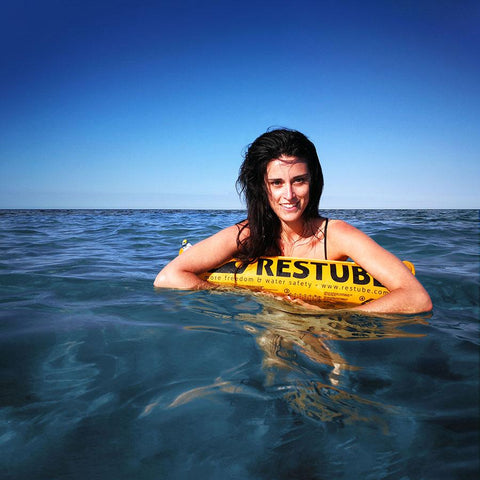
Charlestown's drone drops rescue device, not bombs
Congratulations to Charlestown GIS Coordinator Steve McCandless and the Parks & Recreation lifeguards for deploying rescue drones at each of the town’s beaches. Unlike the Russo-Ukrainian war where drones play a Terminator role, our drones watch for swimmers in trouble, missing kids, debris in the water and sharks.

They can drop a flotation device to a swimmer in distress. The importance of beach safety was recently highlighted after a 15-year old from New London drowned off a Westerly beach. While a system like Charlestown’s would not have saved that boy (he died after hours when no lifeguard was on duty), it can and will save others.

DEM also has a single drone, but according to WPRI, hasn’t figured out how to use it. I don’t know if WPRI intended to make DEM look bad or if DEM did it to themselves.

DEM admitted they: (a) can’t come up with trained operators, (b) don’t have a plan for where to deploy it and (c) admit the obvious problem of only having one drone for all the waters DEM covers. DEM has not been able to hire enough lifeguards either. Hmm, maybe they should buy a few more drones. Or pay lifeguards more.

DEM told WPRI they will study what Charlestown is doing to see if there are lessons they can learn. Duh.

Public use of the beach.
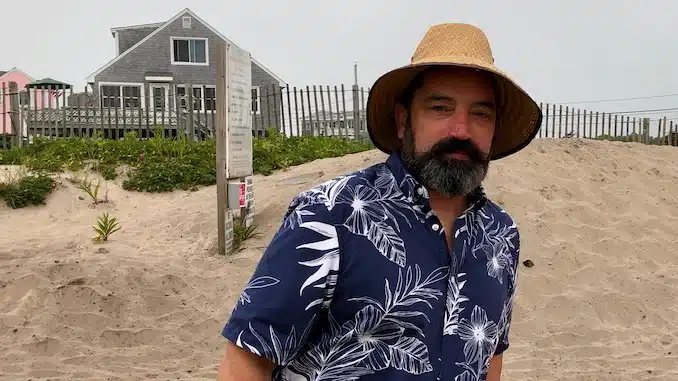
Scott Keeley, beach crusader (photo by Steve Ahlquist)
Congratulations to the RI General Assembly for finally passing legislation that clarifies where the public’s right of beach access begins on Rhode Island’s coast. Though snotty beachfront owners, fake fire districts and the Filippi family are still fighting as well as flouting the law, the tide has turned, if you’ll pardon the pun.

I credit passage of the new law to the years of relentless fighting by Charlestown activist Scott Keeley, whose recent run-in with private security had a happy ending. I also credit South County public radio reporter Alex Nunes for his frequent, in-depth stories on beach access in general and the role played by fake fire districts in worsening the problem.

What missing from this picture from the Central Quonnie
Fire District? Answer: fire trucks cuz they don't have any
Fake fire districts are misnamed organizations because they have no capacity to fight fires. Instead, they operate as upscale homeowners’ associations as well as tax shelters for millions of dollars’ worth of prime coastal land – for which they pay little or no property taxes.

They own lots of beachfront land and are among the most tenacious in trying to keep the public off “their” beaches. Next, the General Assembly should enact legislation stripping fake fire districts of their undeserved tax status. How can you honestly call yourself a “fire district” when you have nothing to do with fires. Except for the barbeque at the tennis club.

Shining a light on Charlestown affordable housing

Alex Nunes
Congratulations again to The Public’s Radio’s Alex Nunes for an in-depth look at Charlestown’s affordable housing crisis. 

I can’t remember any other major media outlet taking such a detailed look at this Charlestown issue in the 20+ years Cathy and I have lived here.

It’s an open secret that Charlestown’s near complete lack of affordable housing either for sale or rent is largely due to blocking efforts by the Charlestown Citizens Alliance (CCA) and their de facto leader, Planning Commissar Ruth Platner. 

Through the CCA’s exclusionary zoning, rapacious land deals and the use of arbitrary standards, “affordable housing” has become anathema in Charlestown.

But maybe that will change now that the CCA is out of power. 

Nunes interviews the pro- and anti- sides of the affordable housing debate, giving ample time to proponents such as Affordable Housing Commission chair Evelyn Smith and commission member Thom Cahir time and space to build the case for affordable housing.

Nunes also gave Ruth Platner the most time and space I’ve ever seen in an article she didn’t write herself to expound on her philosophy of aesthetics, astronomy and what she sees as the common good. 

This is just a summary - this article is a must-read for anyone living in Charlestown.