 |
| For more cartoons by Ruben Bolling, CLICK HERE |
Wednesday, December 27, 2023
Sounds like the Charlestown Citizens Alliance's 2024 platform


The Surprising Connection Between the Environment and Mental Health
Environmental threats CAN make you anxious, and for good reason

One study noted that the natural environment impacts our mental health. But do environmental issues such as global warming cause climate anxiety and negatively impact mental health?
A Silent Threat to Mental Health
Researchers find links between environmental problems
and mental health. An Australian study found a link
between dryland salinity and depression. That indicates that environmental
processes might be the driver behind the degree of mental health issues in
Australian populations experiencing ecosystem degradation.
Children are the most vulnerable among us. There is a link between mental health issues in children and air pollution exposure, researchers found. In one study, researchers looked at exposure to air pollution among 284 children in London.
They assessed symptoms of anxiety, depression, conduct disorder, and attention-deficit hyperactivity disorder at ages 12 and 18. While they found no association between pollution exposure and mental health issues at 12, they did find a link between depression and exposure at 18.
Another study found an association between
psychiatric disorders in children and air pollution exposure. Children are also
more affected than adults by natural disasters, and they are more likely to
experience trauma-related symptoms.
Researchers looked at 15 years’ worth of data on mental health and environmental degradation. They found that research on mental health and environmental challenges is increasing. The major topics are climate change, chemical pollution, including psychiatric medication in wastewater, and neurobiological effects.
Research on links between mental health, climate change,
pollution, and deforestation is also increasing.
Natural disasters can cause
mild stress, insomnia, depression, anxiety, and post-traumatic stress, the
American Psychiatry Association notes. The mental health of first responders
responding to natural disasters is affected both short and long-term. They are
often also victims.
Heat affects health, including heat exhaustion and heat stroke. However, prolonged heat also affects mental health. People who have mental illness do not tolerate heat well, namely because their medications often cause an intolerance to heat. Heatwaves can cause some to increase their use of alcohol to cope with stress.
One study found that an
increase of one to six degrees Celsius could cause an additional 283 to 1,660
suicides in the U.S. Another study found that
extreme high temperatures increase negative emotions.
Climate change affects mental health. A paper by the
American Psychological Association cited “increased levels of stress and
distress” from climate change, such as extreme weather events, as impacting
mental health.
The Rise of Climate Anxiety
Searches for the term “climate anxiety” increased by 565 percent in 2021. More and more mental health professionals see the symptoms of climate change anxiety in their patients.
Sarah Lowe is a clinical psychologist and Associate Professor in the Department of Social and Behavioral Sciences at Yale School of Public Health. Lowe defines climate anxiety as “fundamental distress about climate change and its impacts on the landscape and human existence.”
Climate anxiety manifests as worries about future
disasters or the future of the world and humanity. However, it can also lead to
physical symptoms that include heart palpitations and shortness of
breath–classic anxiety symptoms. Climate anxiety can affect someone’s social
relationships and how they function.
A national survey found that 10 percent of participants reported symptoms of anxiety because of climate change. Nearly as many reported experiencing symptoms of depression because of climate change.
Most participants said they were at least “somewhat worried” about climate change, and 27 percent said they were “very worried.” Eight percent said they are discussing their feelings about climate change with a therapist.
Gina-Marie Cheesemanhttp://www.justmeans.com/users/gina-marie-cheeseman, Gina-Marie Cheeseman, freelance writer/journalist/copyeditor about.me/gmcheeseman Twitter: @gmcheeseman
High Speed Electric Vehicle Charging Stations Coming to Rhode Island Interstate Corridor
Ashaway rest area is nearest to Charlestown
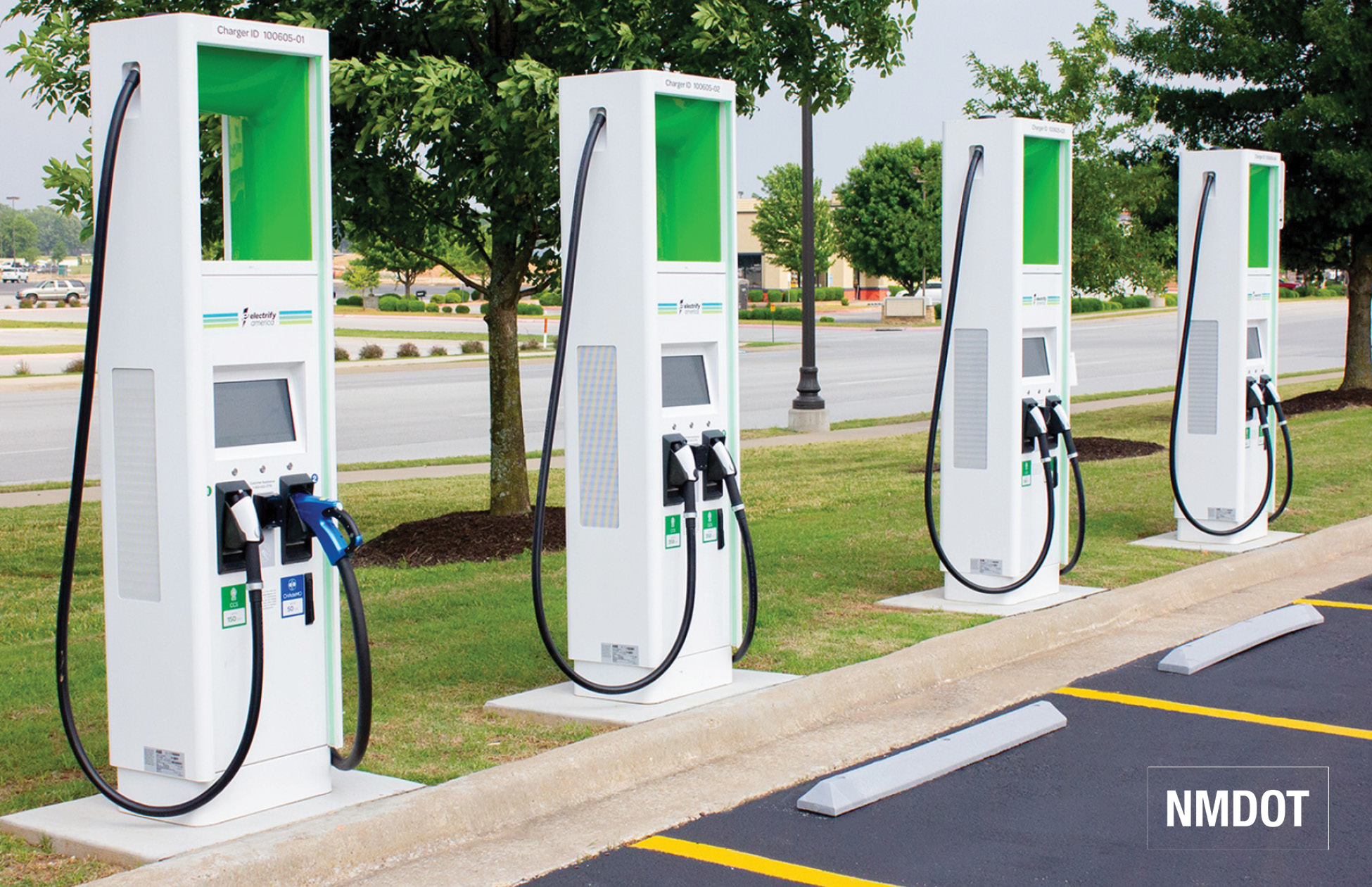
The new charging stations will be installed at the Ashaway Park &
Ride and the Route 117 Park & Ride in Warwick as part of Phase 1 of Rhode
Island’s National Electric Vehicle Infrastructure (NEVI) Program.
The Ashaway and Warwick Park & Ride locations will each house two DC Fast Chargers capable of charging an EV up to 80% in 20-40 minutes. The ultra-fast chargers are considered “future proof”, meaning they can charge new EVs coming to market for years to come.
With many
automakers pledging to go fully electric over the next 10-15 years, Rhode
Island officials want to ensure adequate charging infrastructure is available
across major travel corridors.
Tuesday, December 26, 2023
Trump's dementia should be front-page news
He's More Unhinged and Delusional Than Ever
ROBERT REICH in Robertreich.Substack.Com
“Putin says that Biden’s — and this is a quote — politically motivated persecution of his political rival is very good for Russia, because it shows the rottenness of the American political system, which cannot pretend to teach others about democracy.”
Some commentators see this and other Trump assertions
about being persecuted as calculated efforts to fuel his base.
But what if Trump really thinks he’s being persecuted?
What if he has a persecution complex? What if he believes his
paranoid fantasies?
Trump is not facing nearly the same scrutiny for his age
as is Joe Biden, yet Trump should be — especially as to
increasing signs of dementia.
Biden is sane. He’s getting major bills passed. He’s
negotiating with world leaders.
But Trump — who has a family history of dementia — is increasingly incoherent and unhinged.
He has confused Biden with Obama so often that he’s had to put out a statement that the slips have been intentional.In September, Trump suggested that the way to prevent
wildfires in California’s forest lands is to keep them damp. Here are his
exact words:
“They say that there’s so much water up north that I want to have the overflow areas go into your forests and dampen your forests, because if you dampen your forests you're not gonna have these forest fires that are burning at levels that nobody’s ever seen.”
Hello?
He also said that under his administration, shoplifters
would be subject to extrajudicial execution.
“We will immediately stop all the pillaging and theft. Very simply, if you rob a store, you can fully expect to be shot as you are leaving that store.”
In October, Trump warned his supporters that Biden will
lead America into World War Two.
He has also claimed that Hezbollah, the Iranian-backed
militant group, is “very smart.” That whales are being killed by windmills. That he
won all 50 states in
2020. That he defeated Barack Obama in 2016.
That the outgoing chair of the Joint Chiefs of Staff should be executed. That
MSNBC’s parent company is guilty of treason, and
will “pay.” And that he
will only be a dictator on “Day 1” of
a new term.
The most telling evidence of Trump’s growing dementia is
found in his paranoid thirst for revenge, on which he is now centering his
entire campaign.
On November 11, he pledged to a crowd of supporters in
Claremont, New Hampshire, that:
“We will root out the communists, Marxists, fascists and the radical left thugs that live like vermin within the confines of our country, that lie and steal and cheat on elections and will do anything possible — they’ll do anything, whether legally or illegally, to destroy America and to destroy the American dream.”
Are these the words of a sane person? Or of an aging
paranoid megalomaniac? Even if it’s unclear to which category Trump belongs,
shouldn’t this question be central to the coverage of his campaign for
reelection?
When I’ve asked members of the media why they’re not
covering the increasing signs of Trump’s dementia, they say it’s “old news.”
After all, back in 2017, 27 psychiatrists, psychologists,
and other mental health professionals concluded in The Dangerous Case
of Donald Trump that Trump’s mental health posed a “clear and present
danger” to the nation.
Members of Trump’s own Cabinet — horrified by the January
6, 2021, violence at the Capitol and Trump's lack of urgency in stopping it —
discussed whether to invoke the the 25th
Amendment to remove him from office due to mental incompetence.
But just because Trump has shown mental instability in
the past doesn’t make his mental problems any less relevant now that he is
seeking reelection. They’re more relevant. He appears even
more delusional and unhinged than before.
If Biden’s age is fair game, why aren’t Trump’s age and
apparent mental decline?
Biden may appear frail at times, but he’s rational. The
growing evidence of Trump’s dementia and paranoia, on the other hand, poses a
potential danger to the future of America — if he’s reelected. At the least,
the media should be investigating and reporting on it.
© 2021 robertreich.substack.com
ROBERT REICH is the Chancellor's Professor of Public Policy at the University of California, Berkeley, and a senior fellow at the Blum Center for Developing Economies. He served as secretary of labor in the Clinton administration, for which Time magazine named him one of the 10 most effective cabinet secretaries of the twentieth century. His book include: "Aftershock" (2011), "The Work of Nations" (1992), "Beyond Outrage" (2012) and, "Saving Capitalism" (2016). He is also a founding editor of The American Prospect magazine, former chairman of Common Cause, a member of the American Academy of Arts and Sciences, and co-creator of the award-winning documentary, "Inequality For All." Reich's newest book is "The Common Good" (2019). He's co-creator of the Netflix original documentary "Saving Capitalism," which is streaming now.

Does COVID Vaccination Increase Your Risk of Miscarriage?
New Research Says No
By BOSTON UNIVERSITY SCHOOL OF
PUBLIC HEALTH
Despite this evidence, people are still wary of potential negative impacts of the vaccine on pregnancy.
Recently, a study conducted by researchers from the Boston University School
of Public Health (BUSPH) has offered more comprehensive
information about the safety of COVID-19 vaccines for individuals who are
considering pregnancy.
Published in the journal Human
Reproduction, the study found no increased risk of early or late
miscarriage as a result of male or female partners getting a COVID-19 vaccine
prior to conceiving.
The wheelchair repair system is broken
For example, why should a wheelchair-bound person need an insurance pre-authorization to get their chair fixed?
By Jim Langevin, Rhode Island Current
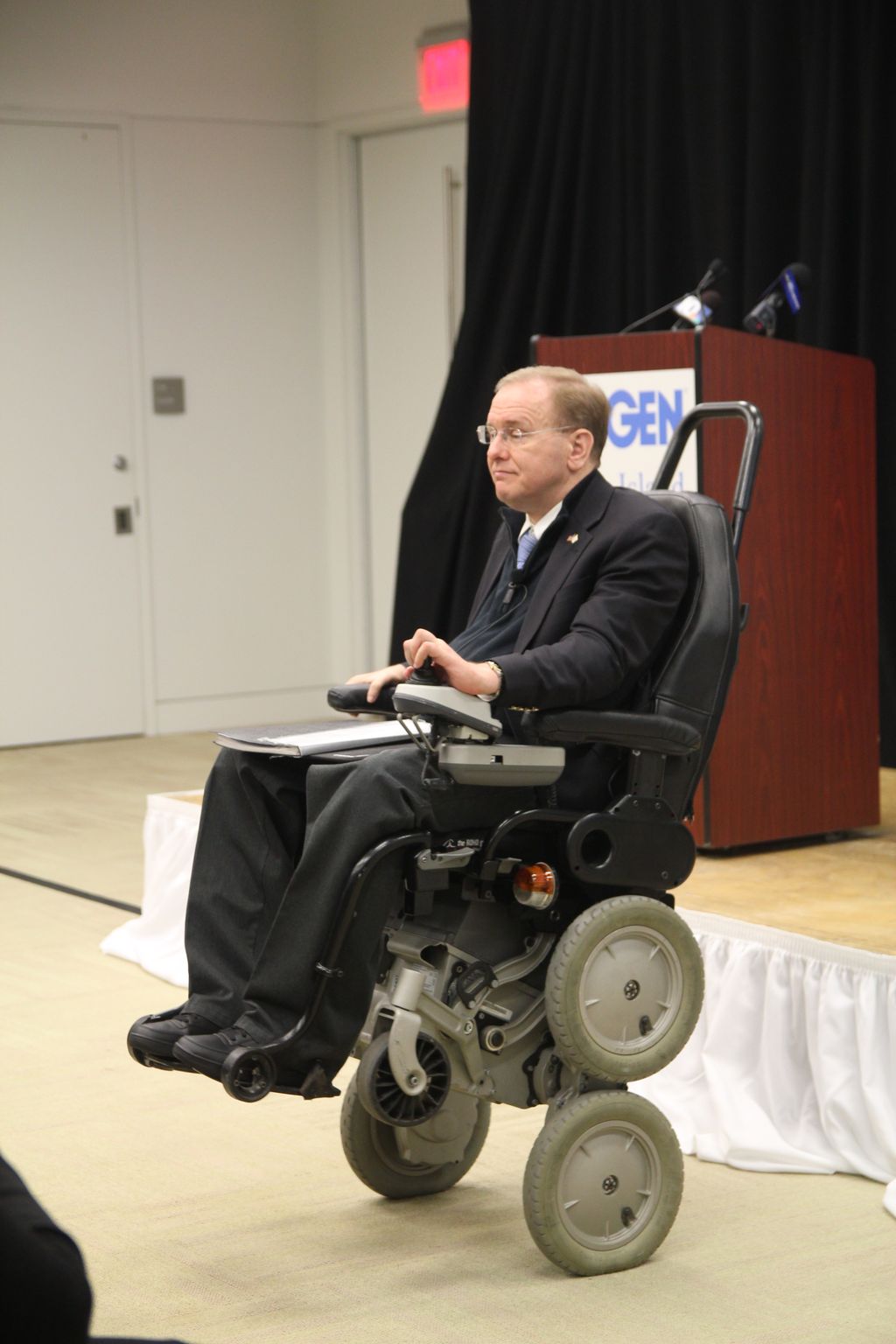
It helps me do my job effectively, to socialize with colleagues, friends, and family, and to live more actively in my community. When my wheelchair needs repairs I want it, no, I need it, repaired as soon as possible.
Many of the organizations involved in the process of providing repairs on complex power wheelchairs have been under fire by consumers for long wait times and insufficient customer service when it comes to repairs on their wheelchairs.
As I have dug into this issue, I have come to learn of the tremendous complexity and bureaucracy built into the system and the need for reform of this broken process to allow repairs on complex power wheelchairs to happen more quickly.
First, we must eliminate the burdensome administrative requirements in place delaying wheelchair repair, such as insurance prior authorization, duplicative documentation, and other unnecessary hurdles.
Monday, December 25, 2023

Sunday, December 24, 2023
Clarence Thomas wanted more money so his rightwing pals gave it to him
A “Delicate Matter”
by Justin Elliott, Joshua Kaplan, Alex Mierjeski and Brett Murphy for ProPublica

In early January 2000, Supreme Court Justice Clarence Thomas was at a five-star beach resort in Sea Island, Georgia, hundreds of thousands of dollars in debt.
After almost a decade on the court, Thomas had grown frustrated with his financial situation, according to friends. He had recently started raising his young grandnephew, and Thomas’ wife was soliciting advice on how to handle the new expenses. The month before, the justice had borrowed $267,000 from a friend to buy a high-end RV.
At the resort, Thomas gave a speech at an off-the-record conservative conference. He found himself seated next to a Republican member of Congress on the flight home. The two men talked, and the lawmaker left the conversation worried that Thomas might resign.
Congress should give Supreme Court justices a pay raise, Thomas told him. If lawmakers didn’t act, “one or more justices will leave soon” — maybe in the next year.
At the time, Thomas’ salary was $173,600, equivalent to over $300,000 today. But he was one of the least wealthy members of the court, and on multiple occasions in that period, he pushed for ways to make more money. In other private conversations, Thomas repeatedly talked about removing a ban on justices giving paid speeches.
Thomas’ efforts were described in records from the time obtained by ProPublica, including a confidential memo to Chief Justice William Rehnquist from a top judiciary official seeking guidance on what he termed a “delicate matter.”
The documents, as well as interviews, offer insight into how Thomas was talking about his finances in a crucial period in his tenure, just as he was developing his relationships with a set of wealthy benefactors.
How to strengthen primary care in Rhode Island?
Start with this action plan
By Jonny Williams, Rhode Island Current

For a new patient visit — about 15 to 30 minutes long — Rhode Island physicians get reimbursed by Medicare $75.05, according to the federal insurance’s fee schedule. Cross over to Connecticut and that visit will bag physicians in that state $77.93. Physicians in metro Boston enjoy a higher rate: $81.64.
The differences may seem inconsequential, but over time they can cost providers and health care systems millions of dollars.
For every primary care provider South County Hospital employed in fiscal year 2023, it lost about $280,000. In total, the hospital lost approximately $4 million, according to figures provided by South County Health, the health system that operates the 100-bed hospital in Wakefield.
Saturday, December 23, 2023

Subscribe to:
Posts (Atom)