Menu Bar

Home           Calendar           Topics          Just Charlestown          About Us

Saturday, September 3, 2022

Crime Victim Compensation Program Assisted Nearly 1,000 Rhode Islanders in Fiscal Year 2022

More than $8.8 million in reimbursements provided to 7,933 Rhode Islanders since 2015

General Treasurer Seth Magaziner announced that the Crime Victim Compensation Program assisted 930 Rhode Islanders who were victims of violent crimes with expense reimbursements totaling $872,322.80 during the 2022 Fiscal Year.   

"We want every Rhode Islander who is the victim of a violent act to know that this resource is here to help them through some of the most difficult times in their life," said General Treasurer Seth Magaziner. "The financial impacts of violent crime on victims can be significant, and that’s why we provide this assistance – so those burdens don't solely lie on the shoulders of innocent people who experienced a traumatic event." 

Treasurer Magaziner has assisted over 7,933 victims of violent crime with $8,878,965.92 in expense reimbursements through the Crime Victim Compensation Program since 2015.  

Health Department's second finding of West Nile Virus in Westerly

Cautions Public to Prevent Mosquito Bites

The Department of Environmental Management (DEM) today announced that the most recent round of mosquito testing by Rhode Island Department of Health (RIDOH) State Health Laboratories has confirmed a second detection of West Nile Virus (WNV) in the state this summer. As was the case with the first WNV finding, which DEM announced Aug. 17, the second sample also was collected in Westerly. RIDOH testing revealed no new positives of Eastern Equine Encephalitis (EEE). DEM collected 83 samples of mosquitoes from 37 traps set statewide during the week of Aug. 23. Results from mosquitoes collected during the week of Aug. 29 are pending.

Although WNV has now been detected twice from the same Westerly trap site, state officials stress that at this stage of mosquito season, the disease is much more prevalent than EEE and is likely prevalent in mosquitoes statewide. 

WNV is the leading cause of mosquito-borne disease in the continental United States. Cases of WNV occur during mosquito season, which starts in the summer and continues through fall. There are no vaccines to prevent or medications to treat WNV in people. 

Fortunately, most people infected with WNV do not feel sick. About one in five people who are infected develop a fever and other symptoms. About one out of 150 infected people develop a serious, sometimes fatal, illness. 

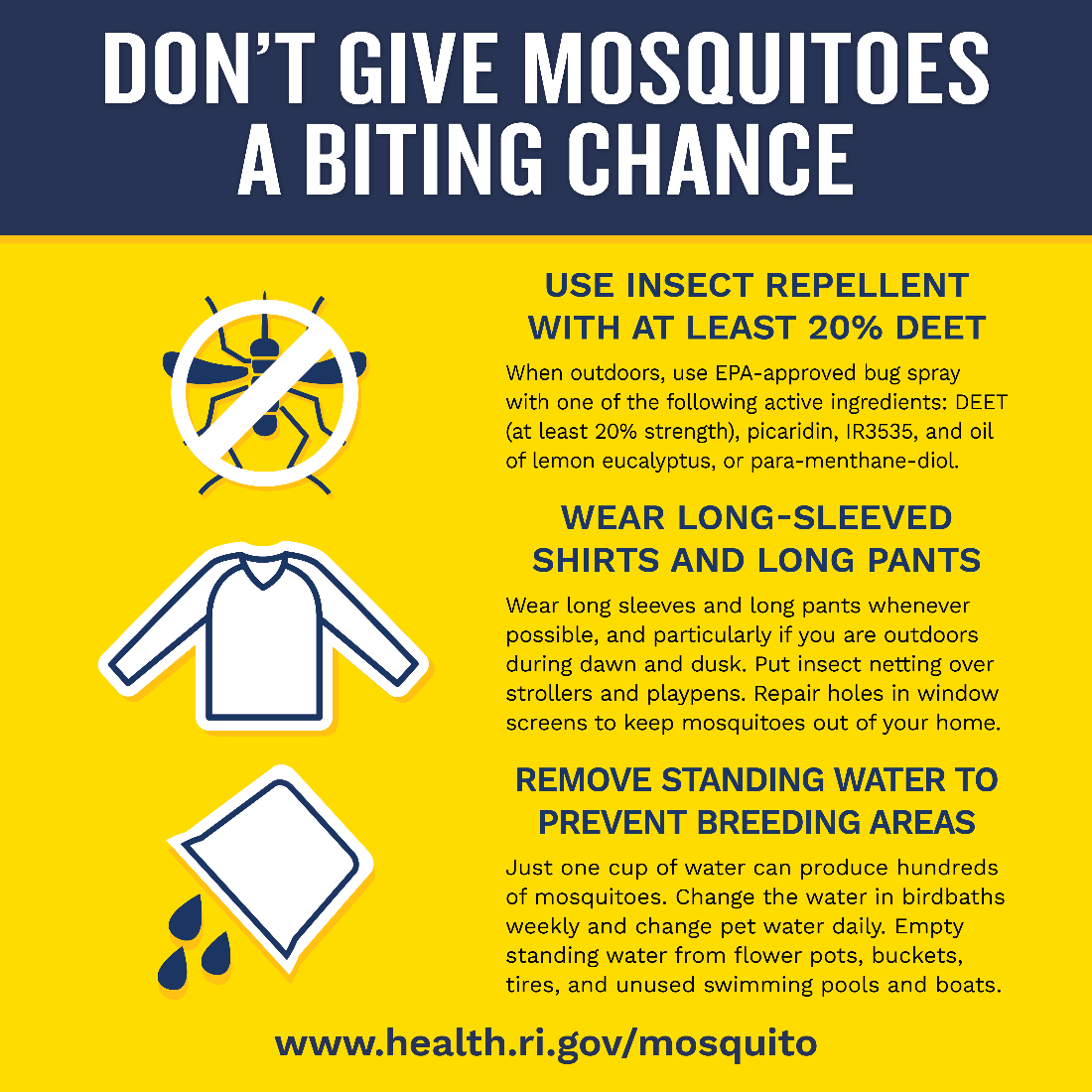
You can reduce your risk of WNV by using insect repellent and wearing long-sleeved shirts and long pants to prevent mosquito bites. DEM and the RIDOH advise Rhode Islanders to reduce their exposure to mosquitoes until the first hard frost. A hard frost is when the air and the ground freeze below 32°F for three hours or below 28°F for two hours.

EDITOR'S NOTE: Please read this warning about pesticide use to ward off mosquitos: http://www.progressive-charlestown.com/2022/08/spraying-for-mosquitoes.html

How Quickly Can You Get Infected With Omicron After An Exposure?

COVID is now hyper-contagious

By Jillian Wilson

The amount of time it takes to start experiencing COVID symptoms if you're infected is shrinking.

Early in the pandemic, an exposure to COVID meant waiting anxiously for many days to see if you were infected. Now, the window is getting smaller and smaller, according to a new review published in the journal JAMA Network Open.

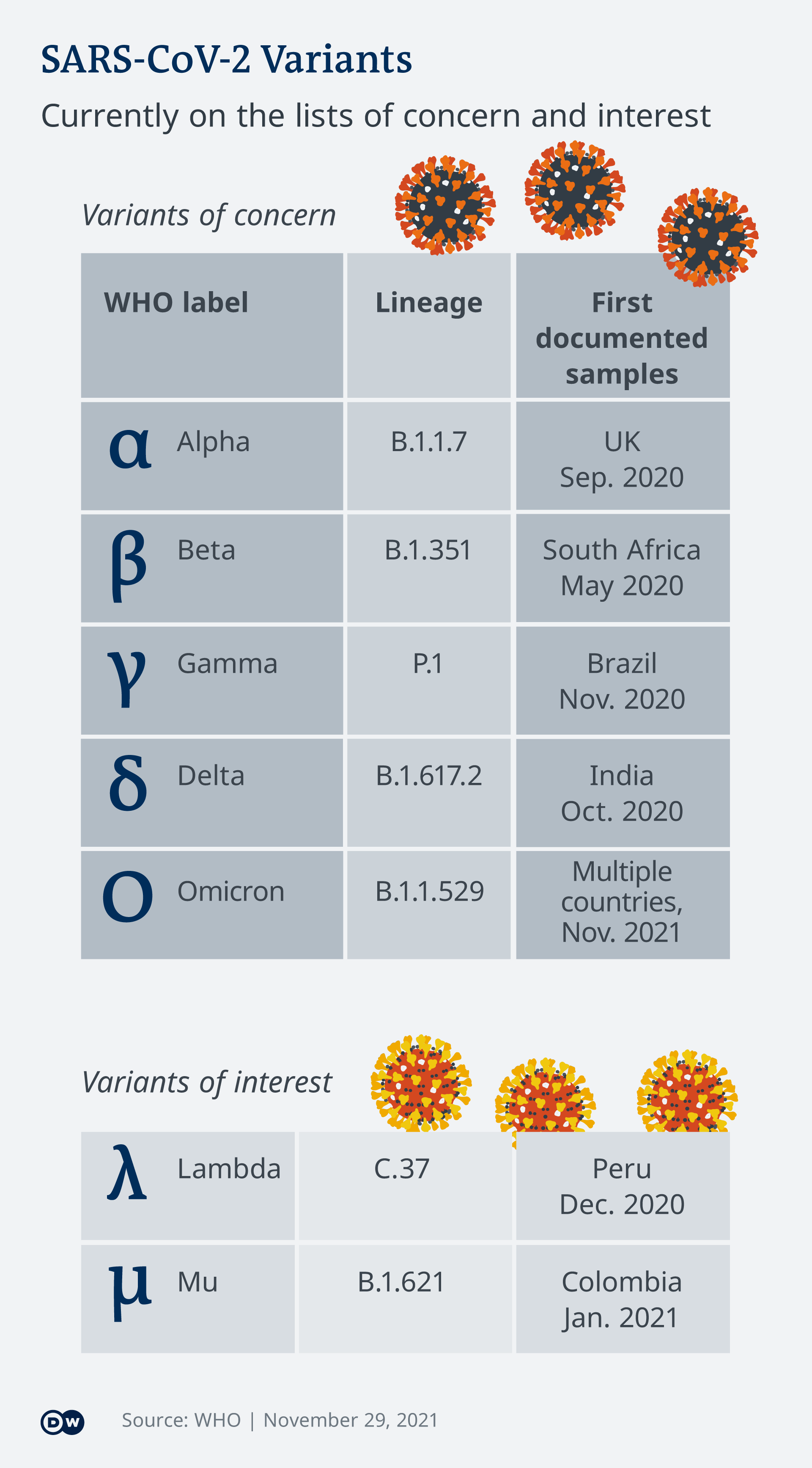
Researchers analyzed 141 studies to determine how COVID’s incubation period ― the time from when you get infected to when you start showing symptoms ― has changed since March 2020. The study, which was conducted by scientists in Beijing, found that with every new variant, COVID’s incubation time has decreased significantly. Omicron, which is the current dominant variant in the United States, has the shortest time between infection and symptoms.

“The incubation periods of COVID-19 caused by the Alpha, Beta, Delta and Omicron variants were 5.00, 4.50, 4.41, and 3.42 days, respectively,” the study stated.

It’s worth noting that the studies analyzed in the review largely relied on people recalling their date of infection and the date symptoms started from memory, so there is room for error if any study participants misremembered.

But, two experts told HuffPost that they agree with the findings and are seeing a shortened incubation period in their own work, too.

A shorter incubation period means COVID can spread more easily.

Friday, September 2, 2022

The Mar-a-Lago Papers Tell a Story of Greed and Incompetence

And that’s just for starters

By 

By Dan Wasserman
Try as we might to ignore Donald Trump’s wrestling with the Justice Department over apparently illegal removal and possession of classified documents at his palatial Mar-a-Lago home, neither the former president nor the courts will let us go more than a day or so without feeling new insults about it all.

At this point, according to government emails and reporting by journalists, we’ve seen the sheer volume of taboo material grow into a substantial mound topping 1,000 classified documents, including those specifically reported to be those from the CIA and other security agencies. Whatever else, this was a substantial haul of documents that are not legally allowed outside of protected government facilities.

We’ve learned that Trump, his lawyers and aides at various levels either consistently lied or demurred about returning requested – and subpoenaed – documents back to the National Archives. Indeed, we even saw one federal judge whom Trump had appointed lecture Trump’s lawyers on how to write, present and serve notice of a legal challenge.

We’ve seen Trump’s challenges to FBI search warrants, to both the government’s most polite and most intrusive requests for recovery of documents, fail repeatedly and keep swapping excuses.  And we’ve seen The Former Guy seeking to take political advantage by turning the entire affair and its various legal or victim-like tendrils into distasteful fund-raising and partisanship.

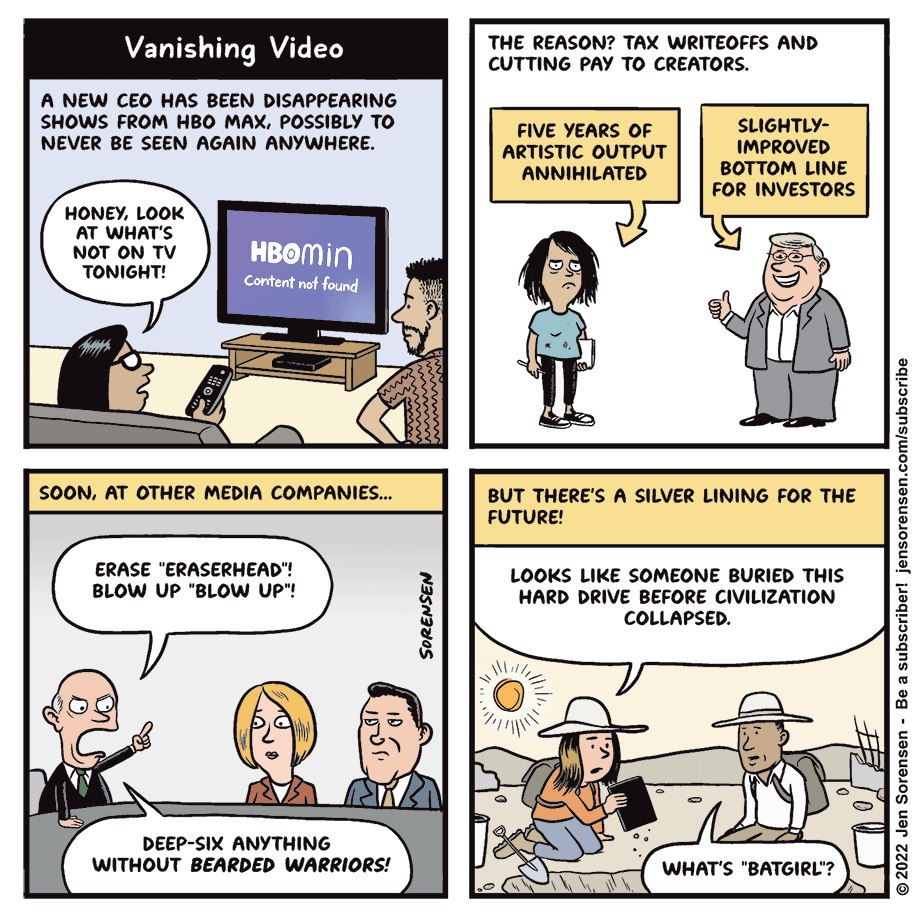
What are we paying for?

For more cartoons by Jen Sorenson, CLICK HERE.


It's a chronic illness

By Marc Murphy


Thank you and goodbye, summer people

Wish you would take your trash with you.

By Colleen Cronin / ecoRI News staff

Hundreds of umbrellas and folding chairs made the sand at Misquamicut State Beach hard to see from the pavilion above Rhode Island’s biggest and most popular beach.

As beachgoers traversed the entrances in the dunes to the beach, they passed something unique to Rhode Island state beaches: dumpsters.

Misquamicut is the only state beach that makes dumpsters available. Beachgoers at Roger Wheeler or Scarborough, where there is a carry-in, carry-out policy, have to take their trash with them when they leave.

At Misquamicut, seven dumpsters and one recycling bin line the entrances to more than half a mile of beach. The dumpster pilot program, which started four years ago, was meant to curb the beach’s trash issues. Still, piles of trash end up on the sand, in the parking lot, next to the dumpsters, in port-a-potties, and eventually into wildlife habitat.

By mid-day, a dumpster near the pavilion was bursting with bags of trash, looking like an overstuffed suitcase. Further down the beach, another dumpster wasn’t yet full, but already held the remnants of several broken beach chairs and the skeleton of an umbrella had been discarded behind it.

Although beachgoers, local business owners, and even those who run the beach agree that it’s a problem, working toward a solution is a complicated process, interviews with those stakeholders and public records reviewed by ecoRI News show.

The dumpster pilot program started at Misquamicut in 2018 as a collaboration between the Rhode Island State Parks & Recreation Division of the Department of Environmental Management (DEM), which runs all state beaches and parks, the town of Westerly, and the Misquamicut Business Association (MBA).

The program diverged from the carry-in, carry-out policy started in 1992 at state beaches after local business owners led a public campaign to add dumpsters at Misquamicut, arguing the unique circumstances and environment around the beach called for a different set of rules.

EDITOR'S NOTE: Trash at our beaches is just one part of the overall trash problem caused by our "summer people," whether they're day-trippers, vacationers or part-time owners. Virtually every dumpster and trash can and long stretches of road side are packed with garbage. Part of the problem is the lack of adequate trash disposal, part is due to town restrictions on use of local transfer stations by part-time residents, part is lack of enforcement of local littering laws and part of it is the piggish attitude displayed by many summer visitors. There are common sense solutions to each of the parts of the problem I mention but coastal towns would have to WANT to engage.

Instead, towns consider the summer people to be a valuable resource. In 1986, Charlestown sought to be exempt from the state's then new Flow Control Law. Here's the reasoning:

Extract from letter by Charlestown Public Works Director Alan Arsensault, Oct. 3, 1986 to the RI League of Cities and Towns. Arsenault is still Charlestown's DPW Director.

Those circumstances and that town attitude are little changed since that letter was written 36 years ago.   - Will Collette

Diet can influence mood, behavior and more

You are what you eat

Monica DusUniversity of Michigan

What we eat matters, and having just the right amount of essential
nutrients is key to our overall health. 
Niusha Shodja and Saina Heshmati, StorylabCC BY-NC-ND
During the long seafaring voyages of the 15th and 16th centuries, a period known as the Age of Discovery, sailors reported experiencing visions of sublime foods and verdant fields. The discovery that these were nothing more than hallucinations after months at sea was agonizing. Some sailors wept in longing; others threw themselves overboard.

The cure for these harrowing mirages turned out to be not a concoction of complex chemicals, as once suspected, but rather the simple antidote of lemon juice. These sailors suffered from scurvy, a disease caused by a deficiency of vitamin C, an essential micronutrient that people acquire from eating fruits and vegetables.

Vitamin C is important for the production and release of neurotransmitters, the chemical messengers of the brain. In its absence, brain cells do not communicate effectively with one another, which can lead to hallucinations.

As this famous example of early explorers illustrates, there is an intimate connection between food and the brain, one that researchers like me are working to unravel. As a scientist who studies the neuroscience of nutrition at the University of Michigan, I am primarily interested in how components of food and their breakdown products can alter the genetic instructions that control our physiology.

Beyond that, my research is also focused on understanding how food can influence our thoughts, moods and behaviors. While we can’t yet prevent or treat brain conditions with diet, researchers like me are learning a great deal about the role that nutrition plays in the everyday brain processes that make us who we are.

Perhaps not surprisingly, a delicate balance of nutrients is key for brain health: Deficiencies or excesses in vitamins, sugars, fats and amino acids can influence brain and behavior in either negative or positive ways.

Unraveling the Interplay of Omicron, Reinfections, and Long Covid

Why we're still in a pandemic, as if anyone cares


The latest covid-19 surge, caused by a shifting mix of quickly evolving omicron subvariants, appears to be waning, with cases and hospitalizations beginning to fall.

Like past covid waves, this one will leave a lingering imprint in the form of long covid, an ill-defined catchall term for a set of symptoms that can include debilitating fatigue, difficulty breathing, chest pain, and brain fog.

Although omicron infections are proving milder overall than those caused by last summer’s delta variant, omicron has also proved capable of triggering long-term symptoms and organ damage. But whether omicron causes long covid symptoms as often — and as severe — as previous variants is a matter of heated study.

Michael Osterholm, director of the University of Minnesota’s Center for Infectious Disease Research and Policy, is among the researchers who say the far greater number of omicron infections compared with earlier variants signals the need to prepare for a significant boost in people with long covid. The U.S. has recorded nearly 38 million covid infections so far this year, as omicron has blanketed the nation. That’s about 40% of all infections reported since the start of the pandemic, according to the Johns Hopkins University Coronavirus Research Center.

Long covid “is a parallel pandemic that most people aren’t even thinking about,” said Akiko Iwasaki, a professor of immunobiology at Yale University. “I suspect there will be millions of people who acquire long covid after omicron infection.”

Scientists have just begun to compare variants head to head, with varying results. While one recent study in The Lancet suggests that omicron is less likely to cause long covid, another found the same rate of neurological problems after omicron and delta infections.

Estimates of the proportion of patients affected by long covid also vary, from 4% to 5% in triple-vaccinated adults to as many as 50% among the unvaccinated, based on differences in the populations studied. One reason for that broad range is that long covid has been defined in widely varying ways in different studies, ranging from self-reported fogginess for a few months after infection to a dangerously impaired inability to regulate pulse and blood pressure that may last years.

Thursday, September 1, 2022

The Violence at the Heart of Trumpism

Trump has made individuals and institutions targets for his cult followers

ROBERT REICH in robertreich.substack.com

By Ed Wexler
Among the many ironies and hypocrisies leading up to the 2022 midterms, one deserving special mention is Trump's and the GOP's unremitting claim that America has become more violent and dangerous under Biden and the Democrats.

"Our country is now a cesspool of crime," Trump said in a recent speech to the America First Policy Institute. "We have blood, death, and suffering on a scale once unthinkable because of the Democrat Party's effort to destroy and dismantle law enforcement all throughout America."

The truth is that although Americans experience far more gun violence than the inhabitants of other advanced nations, that's largely because of widespread gun ownership—championed, encouraged, and defended by Republican lawmakers.

As to recent violence, shootings are down 4 percent this year compared to the same time last year. In big cities, murders are down 3 percent. If the decrease in murders continues for the rest of 2022, it will be the first year since 2018 in which they fell in the U.S.

The larger threat of violence is coming from Trump Republicans whose incendiary statements are fueling violence and threats of violence across America. In the year and a half since a pro-Trump mob stormed the U.S. Capitol, such threats and attacks have escalated.

So what, indeed


New show at the Charlestown Gallery


New Paintings - Mark Freedman


Charlestown Gallery


New Paintings by Mark Freedman


Open - THURSDAY through SUNDAY

11 - 4

Open Monday Labor Day


Always Open by Appointment


Charlestown Gallery | 401-364-0120 | 5000 South County Trail, Charlestown, R| http://www.charlestowngalleryri.com

FacebookInstagram

People who disagree with scientists often overestimate their own scientific knowledge

You may not know what you think you know

Brown University

People who dispute scientific consensus on topics such as vaccine efficacy, climate change or the Big Bang tend to overestimate their own knowledge of these subjects, a new study has shown.

The study, led by scholars at Brown University, Portland State University and the University of Colorado Boulder, surveyed thousands of Americans online, quizzing them on scientific facts and soliciting their opinions on eight contested topics, including the COVID-19 vaccine.

The scholars found that respondents who answered more factual questions correctly were more likely to agree with the scientific consensus about each topic. 

On the other hand, those who answered many factual questions incorrectly but thought they understood certain topics well were more likely to disagree with the scientific consensus. For example, many who said in July 2020 that they would “definitely not get the vaccine” incorrectly answered questions about how viruses spread and how vaccines work, but then said they thought they had a “thorough understanding” of how a COVID-19 vaccine would work.

The research was published in Science Advances.

Sorry, kid. No Disneyworld. Have some fries instead

Parents adopt unhealthy food routines for family wellbeing in place of unaffordable activities

City University London

New study study suggests a key reason parents on a low-income buy unhealthy foods for their families is to compensate for non-food related activities which support social wellbeing, but that they are unable to afford.

The study from the Centre for Food Policy at City, University of London sheds light on the food buying habits of low-income parents across England. It looked at how these families' food practices may be influenced by their 'food environment', i.e. where people can buy and eat food outside of the home, as well as advertising and promotions they come across, but also the wider socioeconomic factors in their lives that may be affecting their decision making.

The findings support the well-established view that a food environment where unhealthy foods are ubiquitous, cheap and heavily marketed, drives parents to feed their families on them. However, they further suggest that when parents are unable to afford social activities with their children, like visiting a 'soft play' centre or holidays even a short distance away, they are additionally driven to compensate with family 'treats' taking the form of unhealthy food routines.

Fighting climate change is wildly popular but most Americans don't know that

A new study finds support for climate action is underestimated by nearly every sector of American society

Princeton University, Engineering School

Most Americans support action to address climate change but public perception doesn't reflect this. Illustration by Bumper DeJesus/Princeton University

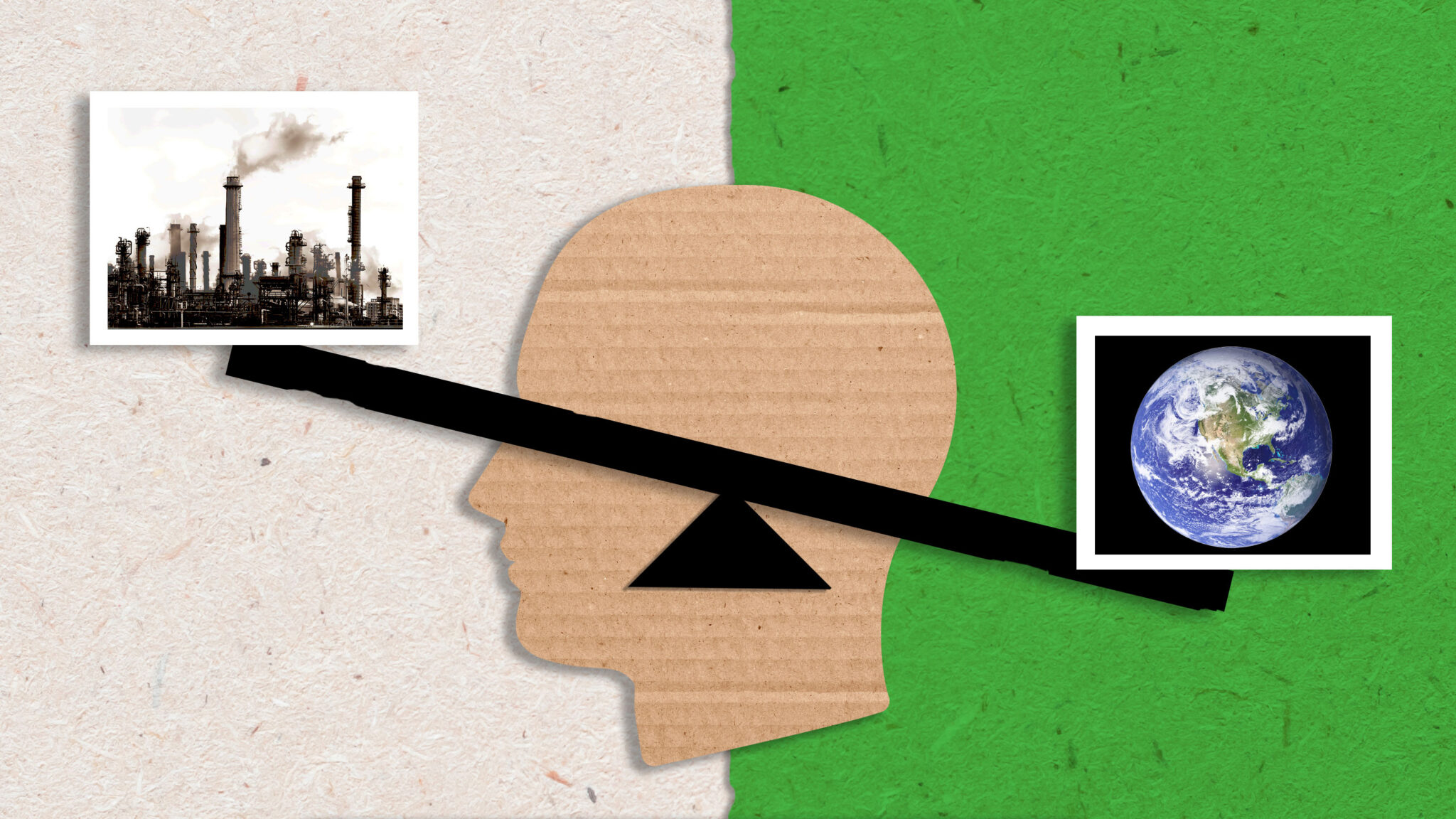
Just after the U.S. Congress passed the nation's most substantial legislation aimed at battling climate change, a new study shows that the average American badly underestimates how much their fellow citizens support substantive climate policy. While 66-80% of Americans support climate action, the average American believes that number is 37-43%, the study found.

"It's stunning how universal and shared that idea is, among every demographic," said Gregg Sparkman, the paper's first author who did this work as a postdoctoral research associate at Princeton and is now an assistant professor at Boston College.

The research, co-authored by Elke Weber, the Gerhard R. Andlinger Professor in Energy and the Environment and professor of psychology and the School of Public and International Affairs, was published in Nature Communications today.

The study found that conservatives underestimated national support for climate policies to the greatest degree but, liberals also believed that a minority of Americans support climate action. The misperception was the norm in every state, across policies, and among every demographic tested, including political affiliation, race, media consumption habits, and rural vs. suburban. 

The actions that the researchers surveyed were major climate policies that could play a role in the United States mitigating climate change, including a carbon tax, siting renewable energy projects on public lands, sourcing electricity from 100% renewable resources by 2035, and the Green New Deal. The trend of Americans largely underestimating such support held true for every single policy.

The study showed a link between consuming conservative media and high levels of misperception, even when controlling for personal politics. The researchers also found that living in a red state, and having less exposure to climate marches or protests was linked to a greater discrepancy between estimates of popularity and actual popularity of climate policies. 

According to the paper, supporters of climate action outnumber opponents two to one, but Americans falsely perceive nearly the opposite to be true. Sparkman said that this underestimation of support is problematic because people tend to conform to what they think others believe, which would weaken actual support for such policies.