Menu Bar

Home           Calendar           Topics          Just Charlestown          About Us

Wednesday, April 3, 2024

AFL-CIO, Building Trades hail EPA’s asbestos ban

Cancer-causing mineral finally banned from use

BY PRESS ASSOCIATES

If Trump gets elected, he'll probably require you to be
injected with this stuff
The AFL-CIO and building trades unions lauded the Biden administration’s Environmental Protection Agency for banning the last forms of asbestos—the dangerous cancer-causing substance—in the U.S.

Though asbestos use has been drastically cut in the agency’s lifetime, one form of it, chrysotile asbestos, is still present in used car parts, notably brakes, linings, and gaskets. Bans on those uses will take effect in six months.

Past use and exposure to asbestos fibers, often from older buildings, still causes 40,000 deaths annually from lung cancer, mesothelioma, cancer of the larynx, and ovarian cancer. The ban on the final form of asbestos “had been delayed during the previous administration,” EPA said on March 18.

Helping children eat healthier foods may begin with getting parents to do the same

Good for everyone


Everyone agrees kids should eat healthy foods.
But parents are often left out of that message.
 skynesher/E+ via Getty Images
Most parents, educators and policymakers agree that children should eat healthy foods. However, our peer-reviewed paper suggests the strategy adults often use to achieve that can sometimes backfire. Fortunately, there’s an easy fix.

We, along with fellow marketing scholars Lingrui Zhou and Gavan Fitzsimons, conducted five experiments with over 3,800 parents as well as 10 in-depth interviews. We found that parents tend to choose unhealthy foods for themselves after choosing a healthy meal for their young children. 

This happens because parents said they are uncertain whether their child will eat their healthy dishes, and so they use their own meal as backup to share to ensure that their child at least eats something.

This dynamic is not ideal. For one, it could result in parents eating unhealthier foods, and children may also end up eating unhealthily if they eat mostly from their parent’s plate. Additionally, it does not set a good example of healthy eating.

How, then, to change this dynamic?

After testing several interventions, one stood out as particularly simple and effective: nudging parents to think of their meals as their own, rather than backup options for their kids.

If you suffered damage or loss from December and January floods, you may be eligible for FEMA help

Federal disaster declaration includes South County

By Nancy Lavin, Rhode Island Current

Residents and businesses hurt by two recent rounds of severe flooding now have access to federal grants and low-interest loans under a pair of disaster declarations approved Thursday by President Joe Biden.

The official recognition requested by Gov. Dan McKee allows people in Providence, Kent and Washington counties to tap into federal funding if they or their properties were affected by either of the disaster designation periods: Dec. 17-19, 2023, and Jan. 9-13, 2024, according to a statement from the Federal Emergency Management Agency.

Tuesday, April 2, 2024

Charlestown Citizens Alliance "Big Lie" tactics roll on

Hey Charlestown - You're being fooled

Charlestown Residents United

There is no $33 million construction plan for Ninigret Park. 

The Charlestown Town Council will meet on Monday, April 15, 2024 at 6:00 pm at the Charlestown Elementary School to discuss a DRAFT concept planning document for the FIRST time.

It is important to know, this conceptual long-range planning document is not a construction plan, nor has it been reviewed by the Council, let alone been approved. 

It is a vision presented by a consultant and the Parks and Recreation Commission. It is a concept. It is an idea. 

Look at the 2008 Ninigret Park Master Plan to see that very few of the items therein have come to fruition to date.

Why is this non-issue creating such community concern? Because the CCA has dropped this into its spin cycle in order to create discord and distrust. 

If you have unfortunately believed the CCA’s lies to date, then you’ve been fooled! The election is eight months away and the CCA has already started up the trick machine. 

It seems they want to divide our town, rather than unite us. They want to create controversy where none exists. 

Spreading false and/or deliberately misleading information often works to their political advantage by confusing people but is not in the best interests of Charlestown residents. 

Sadly, this approach has been working. Councilors have received calls and emails from upset citizens who have been misled about a non-existent spending plan.

We don’t look forward to taking time over the next eight months addressing the CCA lies and innuendo, but we can’t let this misinformation sit out there uncorrected. 

Unfortunately, some people believe whatever the CCA writes and will not be swayed by the truth. 

As President Abraham Lincoln wisely noted: "You can fool all the people some of the time, and some of the people all the time, but you cannot fool all the people all the time."

If you are able, please attend the Town Council meeting on Monday, April 15th and hear the Town Council discussion for yourself. Don’t take anyone's word; come see the plan and hear the discussion for yourself.

We hope that once the truth is fully exposed that people will, in the future, look objectively at what is posted on the CCA website, and not just take what they write as gospel truth. Fact-check what they say. Reach out to your Town Council members with your concerns and questions.

It's going to be a long eight months to November.

Great gig

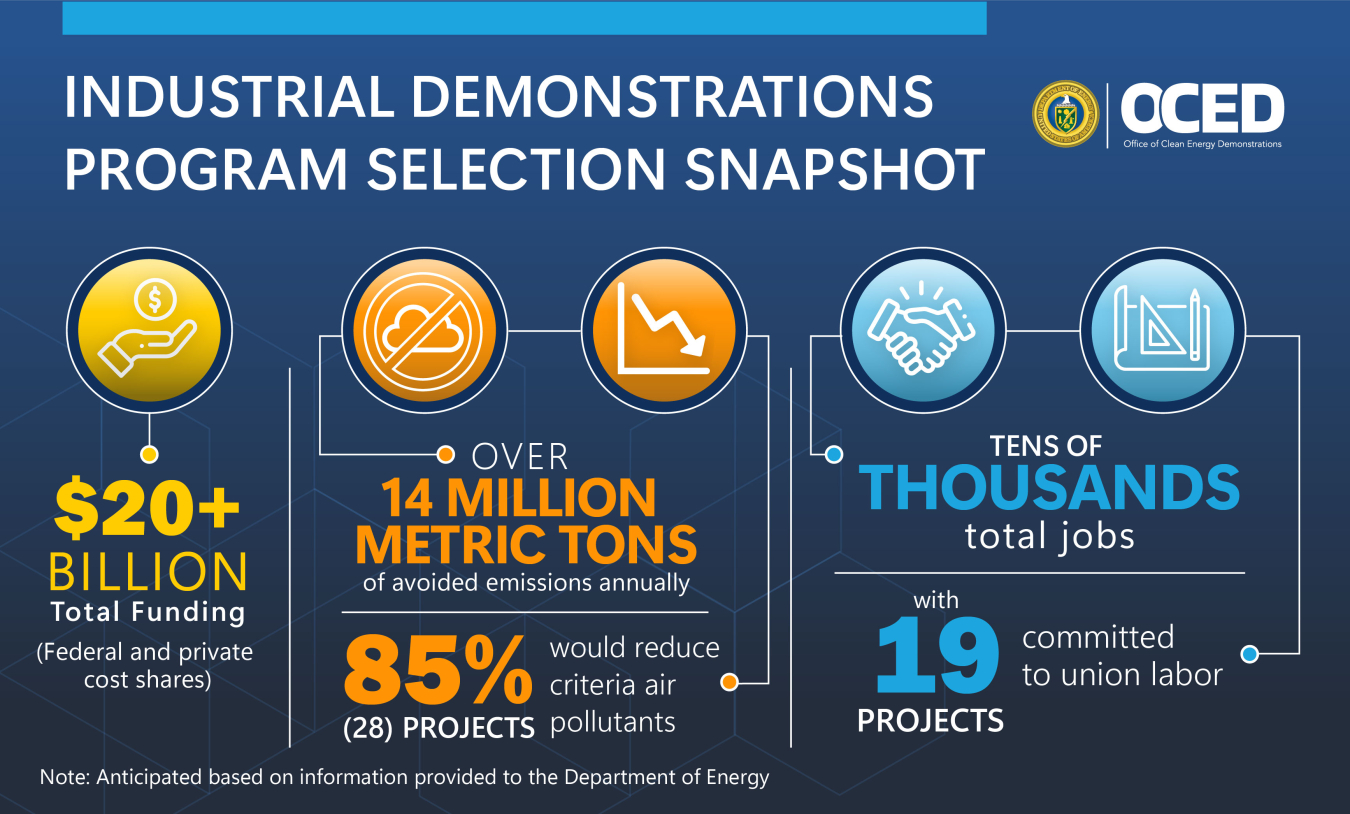
Funding under Biden infrastructure program promotes clean energy projects nationwide


Get more details HERE.

DEM has lots of seasonal jobs for lifeguards, park rangers and more

They also have full-time, permanent job openings

The Rhode Island Department of Environmental Management (DEM) is announcing that it is recruiting to fill a wide range of seasonal jobs to fill critical summertime positions like lifeguards, park rangers, and other key staff to work at state beaches, parks, and campgrounds during the busy outdoor recreation season.

With hundreds of seasonal employment opportunities across DEM's divisions, applicants can work in their field of interest, choose their commute to locations across the state, and work to make a positive impact on visitor experiences and our environment. Interested candidates are encouraged to visit DEM's seasonal employment webpage to apply for the position that interests them.

Cannabis Consumption and Compulsive Eating

What’s the Link?

By DREXEL UNIVERSITY 

New research from Drexel University’s Center for Weight, Eating and Lifestyle Science (WELL Center), examined how often people investigated the frequency of recreational cannabis use among individuals with binge eating behaviors. 

Furthermore, the research explored whether cannabis consumption in these patients is associated with more severe symptoms of eating disorders or with heightened challenges related to mental health.

While there has been a great deal of research on the impact of cannabis on eating habits, less is known about the effects of cannabis use on individuals with a binge eating disorder. Binge eating is the experience of feeling out of control when eating or unable to stop eating. 

Cannabis may play a particular role in maintaining binge eating as research suggests cannabis can increase how pleasurable or rewarding people find high-sugar or high-fat foods.

Contributing to the high cost of credit

Swiping Fees

By Philip Mattera, director of the Corporate Research Project for the Dirt Diggers Digest

For the past two decades, groups of merchants have been suing Mastercard and Visa for charging excessive credit card processing fees, also known as swipe fees. That effort has now paid off with a tentative class action settlement that will reduce the fees by an estimated $30 billion over the next five years.

This deal is on top of about $6 billion the companies previously agreed to pay in damages. Together, the cases represent one of the biggest business litigation settlements ever.

As large as the amounts are, they are not putting too much of a dent in the profitability of Mastercard and Visa, which together rake in about $100 billion a year from merchants and together enjoy about $30 billion in annual profits.

The issue of swipe fees has come up in connection with the proposed acquisition of Discover, the perennial also-ran of the credit card world, by Capital One. In its announcement of the deal, Capital One claimed it would enable Discover “to be more competitive with the largest payments networks and payments companies.” It is making similar arguments in its filings with regulators to gain approval for the purchase.

While Capital One may not have caused as much grief as Visa and Mastercard, its track record shows it cannot claim to be the savior of consumers and small businesses. In 2012, for example, the Consumer Financial Protection Bureau fined the company $25 million and ordered it to refund $140 million to customers following an investigation of deceptive tactics used in marketing credit card add-on products.

Monday, April 1, 2024

What’s to stop chip-making giant from shoveling taxpayer grants into more stock buybacks?

Stock buybacks don't create jobs

LES LEOPOLD for Common Dreams

Intel, the largest chip maker in America, with 2023 revenues of $54 billion, has just been awarded an $8.5 billion grant from the federal CHIPS and Science Act, plus $11 billion in favorable loans.

In addition to badly needed microchips, Intel produces totally useless stock buybacks. On its website the company proudly proclaims to have spent $152 billion on stock buybacks since 1990. That’s not a typo: $152,000,000,000. Which is why I call it "Stock Buybacks Я Us."

Intel took $152 billion of its revenues, some portion of which could have been used for R&D and building new microchip facilities in the U.S. as well as paying workers more, and instead funneled it to its largest Wall Street stockholders and corporate executives, enriching the top fraction of the top one percent.

A company repurchasing its own shares sees earnings per share rise because there are fewer shares in circulation. Share prices rise, though nothing new is made, and the largest stockholders, including top Intel executives, cash out with eye-popping profits. Intel CEO Pat Gelsinger hauled in $179 million in 2021, most of it coming from stock-related compensation.

Stock buybacks are a form of stock manipulation, which is why they were outlawed by the Securities and Exchange Commission after the Great Depression, up until deregulation in 1982, that limited buybacks to two percent of profits. Now it’s all the buybacks your corporation can eat, with nearly 70 percent of all corporate profits going to this form of stock manipulation.

So, why are we giving Intel another $8 billion?

Avian justice


Be sure your teenager gets vaxxed

2024 Local Agriculture and Seafood Act Grantees include several area producers

Helping Grow Agricultural, Seafood Businesses

DEM announced the 2024 Local Agriculture and Seafood Act (LASA) grantees at Newport Vineyards. More than 40 local farmers, fishers, specialty food producers obtained LASA grant awards, splitting more than $650,000 in funding on projects that will support the growth, development, and marketing of local farms, seafood harvesters, and food businesses. LASA grants support small businesses and increase Rhode Island’s food security.

 Authored by Senator V. Susan Sosnowski in 2012 and run by DEM, the LASA program helps new and existing small food businesses grow and flourish. 

Since the COVID pandemic, DEM has steered the program to prioritize building capacity for markets connecting local farms and fishers with food-insecure communities and supporting agriculture producers and fishers who are Black, Indigenous, and People of Color – along with developing small food businesses.

The LASA program provides grants that directly benefit and strengthen the local food system in Rhode Island by providing funding for projects that help support the growth, development, and marketing of RI Grown produce and RI Seafood. Since its enactment 12 years ago, LASA has provided more than $2 million through individual program grants up to $20,000 with no direct match required.

Last year the Governor and the General Assembly pledged their support to continue funding LASA, which is an important catalyst in strengthening the local food system, at historically high levels in fiscal year 2024. 

During this grant round, 43 grant awards totaling $662,000 were broadly distributed across many categories including agriculture, aquaculture, seafood or fishery based, and farmers markets that support these sectors. Eligible entities included Rhode Island-based, for-profit small or beginning farmers including aquaculture operators, fishers, producer groups, and non-profit organizations. 

Given the depth of the application pool, the evaluation of applications is a concerted effort by the LASA committee, which includes DEM staff and theRI Food Policy Council, with the goal of funding recommendations being as equitably and diversely as possible by taking score into consideration among other factors such as Environmental Justice. 

The final grantees awarded during this grant round reflect the purpose and value of the LASA program by fulfilling its purpose of seeking to broaden the scope and diversity of awardees.

Trump judges do it again

US court blocks EPA order to eliminate PFAS in plastic containers

SHANNON KELLEHER  0

A US appeals court has vacated an action by the US Environmental Protection Agency (EPA)  ordering a company to stop producing plastic containers that leach toxic per- and polyfluoroalkyl substances (PFAS) into pesticides, household cleaners, condiments, and many other products.

The 5th US Circuit Court of Appeals on March 21 ruled that the EPA exceeded its statutory authority when it issued orders to Texas-based Inhance in December prohibiting the company from manufacturing or processing PFAS through its fluorination process for containers.

The EPA move came after the agency determined that types of PFAS created during the fluorination process “are highly toxic and present unreasonable risks that cannot be prevented other than through prohibition of manufacture.”

The agency issued the orders under the Toxic Substances Control Act (TSCA), which authorizes the EPA to regulate and screen chemicals produced or imported into the US.

But Inhance challenged the EPA’s action, arguing that the EPA improperly sought to take action against the company under a section of TSCA dealing with new uses of chemicals, and that Inhance’s process did not constitute a new use.

The court agreed that the fluorination technique Inhance uses to prevent liquids from leaking out of its plastic containers – a process that creates PFAS chemicals – does not count as a significant new use since Inhance has been using this process since 1983.

The EPA’s interpretation of the law “distorts TSCA’s framework and defies common sense,” the court opinion states. The agency could pursue action against Inhance under a different section of TSCA, but would be required to conduct a cost-benefit analysis of the action, the court stated.

Failure to Define Long Covid Will Impede Research Progress

Hard to research what you can't define

By Leonard A. Jason

Case definitions are crucial in science, as they allow scientists to be sure they're studying people with an illness versus those without the illness. Without an accurate case definition — or if there are multiple contrasting ones — it’s difficult to estimate prevalence rates, identify biomarkers, and discover effective treatments for a condition. 

Unfortunately, conceptual confusion has led to many different case definitions for long Covid, the post-viral illness experienced by some people after a SARS-CoV-2 infection. The failure to reach consensus on a single set of defining criteria for long Covid continues to have significant negative ramifications for patients and researchers.

Such complications have occurred for another illness triggered by viral infection known as myalgic encephalomyelitis/chronic fatigue syndrome, or ME/CFS. 

Multiple case definitions and a constellation of varied symptoms among ME/CFS patients has made identifying biomarkers difficult, which has caused some doctors and researchers to inaccurately attribute the condition to solely psychiatric reasons. 

Similarly, the failure of scientists to settle on one case definition for long Covid potentially incurs risks of stigma for people with the illness.

Collecting data on symptoms is a primary way of constructing case definitions, but surveys designed for long Covid have been inadequate. This is because the vast majority of such surveys have focused on just assessing whether a symptom occurs — asking respondents to answer either “yes” or “no.” 

But these questions tell researchers little about critical aspects of these symptoms, such as how frequently they occur (a little of the time to all of the time) or how serious they are (from mild to very severe). 

Because numerous somatic symptoms, such as fatigue and pain, can be found at low levels in healthy people or in people with other conditions, assessing the yes-versus-no occurrence of a symptom does not inherently distinguish people who have long Covid from those who don’t.