Menu Bar

Home           Calendar           Topics          Just Charlestown          About Us

Monday, August 7, 2023

Ultra-processed foods largely missing from US food policy

Few federal and state policies consider ultra-processed foods, but policy activity is growing

New York University

Ultra-processed foods -- including industrially produced packaged snacks, fruit-flavored drinks, and hot dogs -- have been linked to health issues ranging from weight gain to certain cancers. So where are the food policies helping Americans to steer clear of these foods?

A new study published in the American Journal of Preventive Medicine finds that only a small number of U.S. policies consider ultra-processed foods, lagging behind countries such as Belgium, Brazil, and Israel.

"In some countries, ultra-processed foods have been directly integrated into national dietary guidelines and school food programs, but in the U.S., few policies directly target ultra-processed foods," said Jennifer Pomeranz, associate professor of public health policy and management at NYU School of Global Public Health and the first author of the study.

After decades of focusing on single nutrients such as protein, fat, and carbohydrates in nutrition science and food policy, a growing body of evidence shows that there is more to dietary quality than nutrients.

Rhode Island marijuana industry becomes fertile ground for unionization

Pot bosses resist efforts to prevent labor strife

By Christopher Shea, Rhode Island Current


As a patient-care specialist at Warwick’s RISE Dispensary, Bruce Botelho recommends strains to customers and oversees purchases at a job he said initially provided good benefits and a friendly atmosphere.

“It’s a really fun job, the people I work with are great,” he said. 

Yet things soured quickly after Chicago-based Green Thumb Industries took over the former Summit Medical Compassion Center in 2021, he said.

While there were few changes at first, Botelho said employee discounts were reduced after the transition to recreational sales earlier this year. Then hours for full and part-time workers were cut without warning. 

“It feels sometimes like we’re actively being punished for choosing to work here,” he said.

It was that final decision by Green Thumb to cut hours that spurred Botelho to unionize his workplace in May. Within a month, workers at RISE voted 50-6 to form a union with United Food and Commercial Workers (UFCW) Local 328.

Sunday, August 6, 2023

Five phony issues Republicans made up to distract you


Tough guy


Trump violates judge's "no threats" order


Is it worth it?

Deep-sea mining has larger-than-expected impacts on sea life, study says

GRACE VAN DEELEN, The New Lede


The fast-growing practice of deep-sea mining poses significant threats to important sea creatures, such as fish, shrimp, corals, and sponges, according to a new study. 

Researchers say they found evidence that disturbances caused by deep-sea mining can slash populations of nearby ocean animals roughly in half and impact marine life across larger areas than scientists have previously thought.  

The study, published Friday in Current Biology, adds to evidence that mining the deep ocean for minerals used to make electric vehicles and renewable energy components has harmful ecological impacts that must be weighed against the climate benefits of transitioning away from fossil fuels. 

Although deep sea mining may be one way to meet the world’s growing demand for certain metals, “it also has the potential to greatly disrupt many deep-sea habitats,” the new paper states. 

“Is it worth it to get these [metals] and mess up the sea versus mess up somewhere else? I don’t know, but we have to use everything we have to make the right call,” said Travis Washburn, an ocean floor ecologist and author on the new study. 

Another study, released Tuesday, shows that deep-sea mining could interfere with tuna fisheries, as well. 

The Dirty Little Secret of Strawberry Fields

Plastic mulch can lead to ingestion by humans

By GOLDSCHMIDT CONFERENCE  

A recent study reveals that plastic mulch, commonly used in California’s strawberry farming, contributes significantly to soil plastic pollution. 

Despite its benefits, plastic mulch fragments are difficult to entirely remove and negatively impact soil health over time. Researchers are seeking solutions with manufacturers to address these environmental concerns.

Researchers have identified an alarming source of plastic pollution in Californian strawberry farms. Plastic mulch, a common tool in promoting strawberry growth, has been found to shed significant amounts of plastic fragments into the soil. 

This phenomenon adversely affects soil qualities and calls into question the long-term sustainability of plastic mulch usage. These findings likely have global implications for plastic use in agricultural production.

Presenting their work at the Goldschmidt geochemistry conference in Lyon, postdoctoral researcher Dr. Ekta Tiwari (from Sistla group at California Polytechnic State University) said “What we are seeing a huge quantity of macroplastic plastic material – particles bigger than 5mm across – being shed where the mulch is used to enhance strawberry production. These can remain in the soil for decades or longer.”

Plastics, such as polyethylene, are increasingly used in agriculture, for example in polytunnels. Plastic mulch films are extensively used in agriculture, where they provide a range of benefits. They are tucked in around the base of the plant, which can help control weeds and pathogens, reduce water evaporation, and prevent soil splashing on fruit (which is particularly important for strawberries).

Why people tend to believe UFOs are extraterrestrial

I blame Fox Mulder

Barry Markovsky, University of South Carolina

Photos claiming to be UFO evidence are often doctored
or otherwise ambiguous. 
Ray Massey/The Image Bank via Getty Images
Most of us still call them UFOs – unidentified flying objects. NASA recently adopted the term “unidentified anomalous phenomena,” or UAP. 

Either way, every few years popular claims resurface that these things are not of our world, or that the U.S. government has some stored away.

I’m a sociologist who focuses on the interplay between individuals and groups, especially concerning shared beliefs and misconceptions. As for why UFOs and their alleged occupants enthrall the public, I’ve found that normal human perceptual and social processes explain UFO buzz as much as anything up in the sky.

Saturday, August 5, 2023

Yeah, let's not talk about it

Extremists want to ban discussion of their abortion bans

By Jim Hightower 

By Gretchen Koch
Unfortunately, it’s 1984 again in America.

Not the year. The book. George Orwell’s classic novel tells of a far-right totalitarian clique that uses “newspeak” and “doublethink” to impose their rigid, anti-democratic doctrine on society. 

Their regime held power through mind control — they had a “Ministry of Truth” for perverting language and manipulating facts, while their “Thought Police” enforced ideological purity and suppressed dissent.

Thirty-nine years later, here comes a clique of theocratic extremists in our country using Orwellian manipulation in its crusade to take control over every woman’s personal reproductive rights. 

Having seized the Supreme Court and practically the entire Republican Party, these present-day autocrats are now demanding that state and national lawmakers enforce the group’s ultimate dictate: A total ban on abortions, even in cases of rape and incest.

To their amazement, however, the great majority of Americans — including many Republican voters — think abortion ought to be generally available, with each woman deciding what’s best for her. Moreover, the idea of Big Brother imposing a federal ban is massively unpopular.

No problem, say today’s Orwellian newspeakers, we’ll just ban the word “ban” from our PR campaigns. Thus their harsh abortion ban has magically morphed linguistically into a “pro-life plan.” There — feel better?

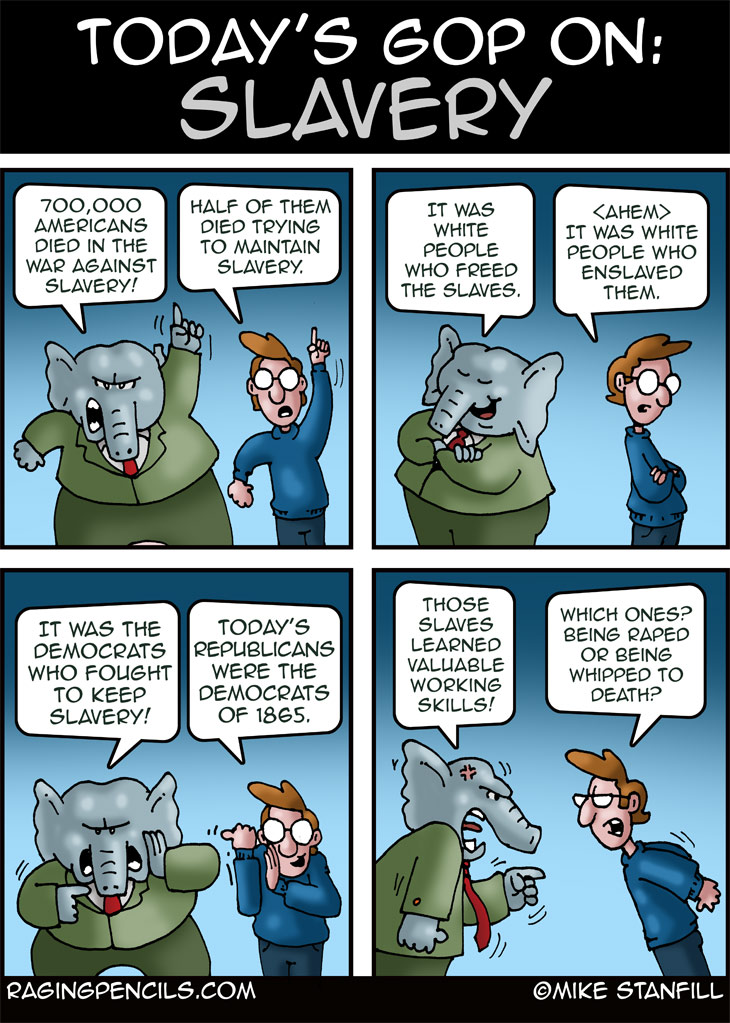
The bullet points on slavery


Join the fight!


Year's first finding of West Nile Virus in RI in Westerly

It's that time again

By Kevin G. Andrade, Rhode Island Current

State officials on Friday said a mosquito trap in Westerly has captured the first confirmed positive sample of West Nile Virus (WNV). 

The sample was one of 199 collected from 36 traps, which were set on July 24. 

Tests are conducted weekly from June through September by the Rhode Island Department of Environmental Management (DEM) and Rhode Island Department of Health (DOH). 

The positive sample was not unexpected as mosquito-borne diseases become more prevalent in southern New England as the summer progresses. The first detection of WNV in Rhode Island each year typically occurs in early August.

WNV is the leading cause of mosquito-borne disease in the continental United States and is much more prevalent than Eastern Equine Encephalitis (EEE). 

Most people infected with WNV do not feel sick. It can lead to a fever in about one of every five people infected. 

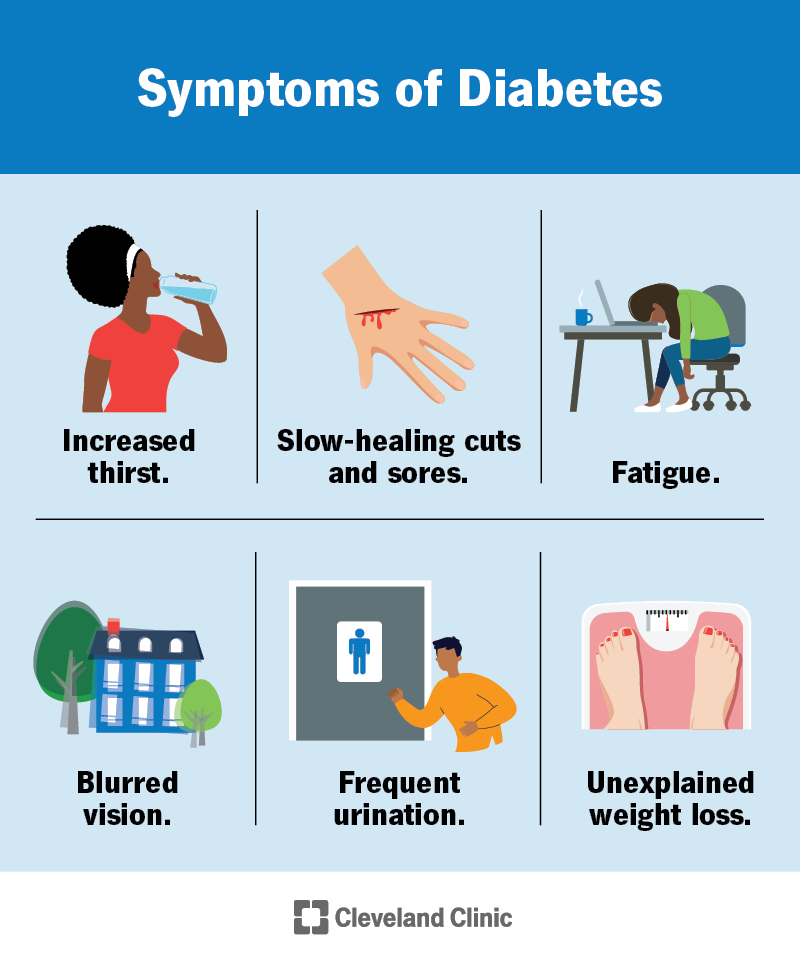
Severe cases can lead to other symptoms, including abdominal pain, rash, diarrhea, vomiting, muscle aches, loss of appetite, and more. Only one of every 150 people infected can tend to develop severe symptoms or die from the illness. 

20% of “Healthy” Individuals Actually Have the Metabolism of a Prediabetic

Are you one of them?

By KLICK APPLIED SCIENCES  

Klick Labs scientists have unveiled a new analytical method, capable of detecting a precursor to prediabetes, known as impaired glucose homeostasis (IGH), by analyzing data from continuous glucose monitors. 

Remarkably, this technique identified 20% of study participants, initially deemed healthy, as having glucose metabolism akin to prediabetes, signifying a potential breakthrough in early detection and management of diabetes.

Klick Labs develops for detecting the initial indications of Type 2 diabetes by employing continuous glucose monitoring (CGM) data.

A team of researchers from Klick Labs has formulated an innovative approach for identifying the initial indications of the body’s inability to manage blood sugar levels before patients reach a prediabetic state.

The details of their study, published in Mayo Clinic Proceedings: Digital Health, reveal a new analytical process that highlights a stage prior to prediabetes, known as impaired glucose homeostasis (IGH). The scientists utilized their proprietary mathematical model on data gathered from continuous glucose monitors (CGMs). 

The findings showed that approximately 20% of the subjects, who were previously deemed healthy according to medical standards, exhibited a glucose metabolism pattern similar to individuals with prediabetes.

When telling the truth isn’t the whole truth

URI business professor studies lies by fashion brands about corporate social responsibility

Tony LaRoche 

Corporate social responsibility has become a growing issue for fashion brands after years when the industry has faced criticism for its lack of action to foster sustainability and curb clothing waste and harmful environmental impacts.

But that pressure to reform has spawned another strategy: The little-known use of paltering by fashion companies to promote marketing claims about their commitment to act socially responsible.

“Paltering is the active use of truthful but misleading statements along with non-disclosures to create confusion and imply a corporate image that consumers want to see,” said Saheli Goswami, an assistant professor in Textiles, Fashion Merchandising and Design at the University of Rhode Island. 

“It is this reliance on truth that makes the whole process and the companies engaging in paltering very much immune to legal repercussions. It also makes it very challenging for consumers to recognize it.”

Friday, August 4, 2023

House Republicans to Workers: Drop Dead

Plan Would Cut OSHA Funding By $95 Million

By 

Republicans new kick: bring back child labor
Joe Biden once said “Don’t tell me what you value. Show me your budget — and I’ll tell you what you value.”

A few days ago, Republicans told American workers what they value: More workplace injury, illness and death, more child labor, and fewer unions.

House Appropriations Committee Republicans released the draft fiscal year 2024 Labor, Health and Human Services, Education, and Related Agencies funding bill yesterday, which will be considered in subcommittee today. The bill cuts OSHA funding by $95 million, a 15% cut that would bring the agency’s funding level down to $537 million. 

OSHA’s budget hasn’t been at that low level since 2009 (aside from the sequestration year of 2013 when OSHA’s budget was cut to $535 million). Even at its current budget level, OSHA is a tiny agency with a paltry budget — and an enormous mandate:  the safety and health of 158 million workers at more than 10.9 million workplaces.

The Republican budget represents an unprecedented scorched-earth action that’s hard to comprehend, even in these days of a MAGA-controlled House of Representatives.

Republicans told American workers what they value: More workplace injury, illness and death, more child labor, and fewer unions.

Under OSHA’s current budget, most employers can depend on almost never seeing an OSHA inspector unless one of their workers is killed, hospitalized or unless a worker files a complaint. 

The AFL-CIO estimates the it would take 190 years for OSHA to inspect every workplace in the country just once. Republicans seem to be striving to increase that number to 300 years.

To put this in perspective, President Biden had proposed a 17% increase in OSHA’s FY 2024 budget.

It’s unclear at this time where the specific cuts in the OSHA budget will come. All we know so far is that the budget line item for funding OSHA’s 27 state plans remains at the FY 2023 level of $120 million, so presumably most of the cuts would come out of enforcement and standards. 

In addition, Republicans always attempt to eliminate the Susan Harwood Worker Training Grant program when they’re in control, so it’s highly likely they’ll try to kill the program this year as well.

The Mine Safety and Health Administration will face a 29% cut, replacing the mythical “war on coal” with a very real “war on coal miners.”

The Mine Safety and Health Administration will face a 29% cut, replacing the mythical “war on coal” with a very real “war on coal miners.”

The budget of the National Institute for Occupational Safety and Health, which conducts workplace safety and health research, would be slashed by 32%. I guess workers will just have to do their own research.

And for good measure, the DOL Office of the Solicitor, which works on defending enforcement actions and developing and defending DOL regulations, would be cut by 25%. The budget of the already cash-starved National Labor Relations Board would be cut by one-third.

So we undermine OSHA’s ability to issue standard, hollow out their ability to enforce current standards, and ensure that the agency doesn’t have the means to defend any enforcement actions or standards in court.