Menu Bar

Home           Calendar           Topics          Just Charlestown          About Us

Friday, September 15, 2023

Turmeric

Natural Spice Equally Effective As Indigestion Drugs

By BMJ  

A recent study reveals that curcumin, a compound found in turmeric, may be equally effective as the drug omeprazole in treating symptoms of indigestion, with significant symptom reductions observed in both treatment groups over a period of 28 to 56 days. Though the study, conducted on 206 individuals in Thailand, suggests promising results, the researchers acknowledge its small scale and call for larger, long-term studies to further validate the findings.

Researchers suggest that the findings could warrant consideration in clinical practice.

A first-of-its-kind study published in the journal BMJ Evidence-Based Medicine indicates that a natural compound in the culinary spice turmeric might have similar efficacy as omeprazole—an acid-reducing drug—in managing indigestion symptoms.

Extracted from the root of the Curcuma longa plant, turmeric possesses a compound named curcumin. Believed to exhibit anti-inflammatory and antimicrobial characteristics, curcumin has historically been employed as a therapeutic agent in South East Asia, especially for indigestion-related issues.

Turmeric is derived from the root of the Curcuma longa plant. It contains a naturally active compound called curcumin thought to have anti-inflammatory and antimicrobial properties, and has long been used as a medicinal remedy, including for the treatment of indigestion, in South East Asia.

But it’s not clear how well it compares with conventional drugs for this indication, largely because there have been no head-to-head studies.

The importance of shining a light on hidden toxic histories

When will we finally learn about our history?

Elizabeth Kryder-Reid, Indiana University

Activists in Newark, N.J., offer tours that teach visitors about
the city’s legacy of industrial pollution and environmental racism. 
Charles Rotkin/Corbis via Getty Images
Indianapolis proudly claims Elvis’ last concert, Robert Kennedy’s speech in response to Martin Luther King Jr.’s assassination, and the Indianapolis 500. There’s a 9/11 memorial, a Medal of Honor Memorial and a statue of former NFL quarterback Peyton Manning.

What few locals know, let alone tourists, is that the city also houses one of the largest dry cleaning Superfund sites in the U.S.

From 1952 to 2008, Tuchman Cleaners laundered clothes using perchloroethylene, or PERC, a neurotoxin and possible carcinogen. Tuchman operated a chain of cleaners throughout the city, which sent clothes to a facility on Keystone Avenue for cleaning. It was also the location where used solution was stored in underground tanks.

Inspectors noted the presence of volatile organic compounds from leaking tanks and possible spills as early as 1989. By 1994, an underground plume had spread to a nearby aquifer. By the time the EPA became involved in 2011, the underground chemical plume had seeped more than a mile underneath a residential area, reaching a well that supplies drinking water to the city.

When geographer Owen Dwyer, earth scientist Gabe Filippelli and I investigated and wrote about the social and environmental history of dry cleaning in Indianapolis, we were struck by how few people outside of the dry cleaning and environmental management fields were aware of this environmental damage.

There are no markers or memorials. There is no mention of it – or any other accounts of contamination – in Indianapolis’ many museums. This kind of silence has been called “environmental amnesia” or “collective forgetting.”

Societies celebrate heroes and commemorate tragedies. But where in public memory is environmental harm? What if people thought about it not only as a science or policy problem, but also as a part of history? Would it make a difference if pollution, along with biodiversity loss and climate change, was seen as part of our shared heritage?

Thursday, September 14, 2023

Corporations and National Security

Raytheon (a.k.a. RTK Corp) a top offender

By Philip Mattera, director of the Corporate Research Project, for the Dirt Diggers Digest 

The Patriot missile system is one of
Raytheon's biggest exports
Most of the cases handled by the Justice Department’s National Security Division involve individuals accused of providing support to foreign terrorist organizations, or more recently, domestic far-right extremists linked to groups such as the Proud Boys.

Yet the division has another mission: prosecuting corporations which violate international economic sanctions or which fail to prevent sensitive technology from being transferred to unfriendly foreign countries. It is beefing up this work, especially the latter part.

The division just appointed its first Chief Counsel for Corporate Enforcement and Deputy Counsel for Corporate Enforcement. 

In making the announcement, Assistant Attorney General Matthew Olsen suggested that a tougher stance is being taken: 

“We have watched with concern as investigations of corporate misconduct increasingly reveal violations of laws that protect the United States. Enforcing the laws that deny our adversaries the benefits of America’s innovation economy and protect technologies that will define the future is core to the National Security Division’s mission.” 

Olsen is in effect saying that some corporations are national security risks—or perhaps more accurately, national economic security risks.

Unprinclpled

By Matt Wuerker

Freedom!

Hilary Brown

Tropical Storm watch: be careful

Charlestown unlikely to bear the full brunt of Hurricane Lee

By Christopher Shea, Rhode Island Current

National Weather Service forecast (2 PM) for Charlestown:


Rhode Island is under a Tropical Storm Watch as Hurricane Lee continues its way north in the Atlantic Ocean toward New England, and Gov. Dan McKee and emergency management officials are warning people to stay clear of the coastline through the weekend.

Dangerous conditions are expected to affect beaches with southern and southeast exposures, according to a joint statement sent Wednesday from McKee and the Rhode Island Department of Environmental Management (DEM). The storm is expected to pass east of southern New England with an increasing risk of wind, coastal flooding, and rain impacts beginning Friday.

National Hurricane Center forecast track for tropical storm force winds:

Note that Charlestown and much of the South County coastline is on the edge of the track, lending support to the National Weather Service forecasted wind speeds

As of 5 p.m. Wednesday, Lee was located about 380 miles southwest of Bermuda and about 965 miles south of Nantucket, Massachusetts. The National Hurricane Center issued a Hurricane Watch for Stonington, Maine, to the U.S.-Canadian border, meaning that hurricane conditions are possible within the watch area,

A Tropical Storm Warning was issued for Bermuda, meaning tropical storm conditions are expected somewhere within the warning areas within the next 24 hours.

A Tropical Storm Watch is in effect from Watch Hill, Rhode Island, up to Stonington, Maine, as well as Block Island, Martha’s Vineyard and Nantucket. Tropical storm conditions are possible within the watch area within 48 hours.

A Storm Surge Watch is in effect for Cape Cod Bay and Nantucket.

At 2 p.m., Wednesday, the National Weather Service issued a high rip current advisory that “will likely be extended through the weekend.”

Due to Lee’s large size, hazards will extend well away from the center, and there will be little to no significance on exactly where the center reaches the coast, the National Weather Service said.

“We’ve mobilized all of [the] state government to ensure Rhode Island is prepared for the potential impacts of Hurricane Lee and additional severe weather over the next few days. McKee said. “We are monitoring the situation closely and we are prepared.”

According to a separate announcement from McKee’s office Wednesday afternoon, the Rhode Island Emergency Management Agency (RIEMA) is having daily calls with the National Weather Service and is in regular contact with the National Hurricane Center on updated projections and weather forecasts. 

RIEMA is also communicating with local EMAs to ensure communities have the necessary support in place and will convene state agencies directors on Thursday to conduct a tabletop exercise dedicated solely to hurricane response.

The Rhode Island Department of Transportation will inspect and clean storm drains regularly over the next few days to mitigate flooding, while the state police will closely monitor the highways and assist motorists as needed.

The Office of Energy Resources is also in contact with Rhode Island Energy and the state’s delivered fuel terminals to closely monitor the incoming storm system and its impact on power and fuel supplies across the state. McKee’s office added that Rhode Island Energy has secured hundreds of additional line and forestry workers to assist their full team of employees for any response effort.

Additionally, the Rhode Island Commerce Corp. said it stands ready to assist businesses impacted by the storm. For more information, call (401) 521-HELP.

Rhode Islanders are encouraged to monitor the Boston office for the National Weather Service for updates on the forecast of the hurricane and the RIEMA for preparedness information.

GET THE MORNING HEADLINES DELIVERED TO YOUR INBOX

SUBSCRIBE

Rhode Island Current is part of States Newsroom, a network of news bureaus supported by grants and a coalition of donors as a 501c(3) public charity. Rhode Island Current maintains editorial independence. Contact Editor Janine L. Weisman for questions: info@rhodeislandcurrent.com. Follow Rhode Island Current on Facebook and Twitter.

Everyone should get the new COVID booster

Why the CDC Has Recommended New Covid Boosters for All


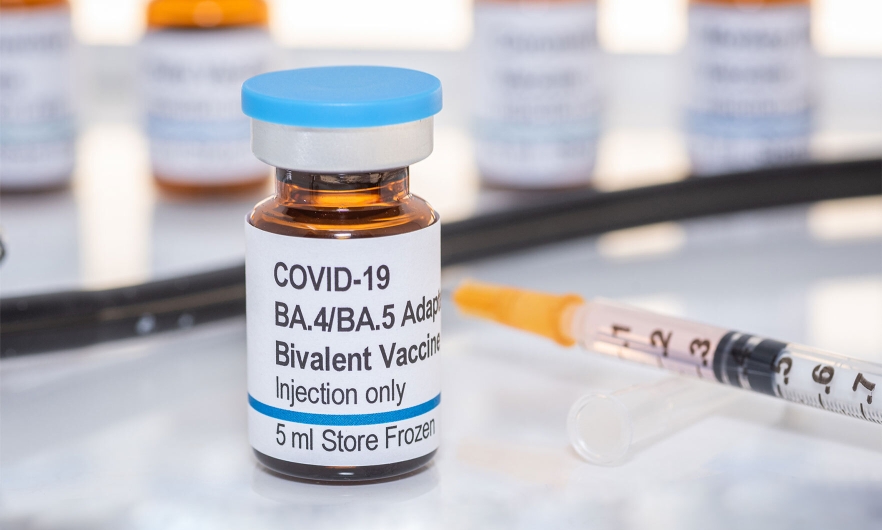
Everyone over the age of 6 months should get the latest covid-19 booster, a federal expert panel recommended Tuesday after hearing an estimate that universal vaccination could prevent 100,000 more hospitalizations each year than if only the elderly were vaccinated.

The Centers for Disease Control and Prevention’s Advisory Committee on Immunization Practices voted 13-1 for the motion after months of debate about whether to limit its recommendation to high-risk groups. A day earlier, the FDA approved the new booster, stating it was safe and effective at protecting against the covid variants currently circulating in the U.S.

CHRISTOPHER WEYANT
After the last booster was released, in 2022, only 17% of the U.S. population got it — compared with the roughly half of the nation who got the first booster after it became available in fall 2021. 

Broader uptake was hurt by pandemic weariness and evidence the shots don’t always prevent covid infections. But those who did get the shot were far less likely to get very sick or die, according to data presented at Tuesday’s meeting.

The virus sometimes causes severe illness even in those without underlying conditions, causing more deaths in children than other vaccine-preventable diseases, as chickenpox did before vaccines against those pathogens were universally recommended.

The number of hospitalized patients with covid has ticked up modestly in recent weeks, CDC data shows, and infectious disease experts anticipate a surge in the late fall and winter.

The shots are made by Moderna and by Pfizer and its German partner, BioNTech, which have decided to charge up to $130 a shot. They have launched national marketing campaigns to encourage vaccination. The advisory committee deferred a decision on a third booster, produced by Novavax, because the FDA hasn’t yet approved it. Here’s what to know:

A look at this year's COVID

How evasive and transmissible is the newest omicron offshoot, BA.2.86, that causes COVID-19? 

Suresh V. Kuchipudi, University of Pittsburgh

BA.2.86 is beginning to spread throughout the United States.
 baranozdemir/E+ via Getty Images
The latest variant, or sublineage, of SARS-CoV-2 to emerge on the scene, BA.2.86, has public health experts on alert as COVID-19 hospitalizations begin to rise and the new variant makes its way across the globe.

The Conversation asked Suresh V. Kuchipudi, a virologist and infectious disease expert at the University of Pittsburgh School of Public Health, to explain what researchers know about BA.2.86’s ability to dodge immune protection and whether it causes more severe infection than its predecessors.

1. What is BA.2.86 and how is it related to earlier variants?

BA.2.86, nicknamed Pirola, is a highly mutated new omicron sublineage of SARS-CoV-2 that was first detected in Denmark in July 2023. The World Health Organization announced that, as of Sept. 6, 2023, BA.2.86 has been detected in 11 countries.

A variant is an alternate version of a virus – in this case, the SARS-CoV-2 virus that causes COVID-19 – that has some mutations or changes in its genetic code, compared with the original. Mutations can alter the behavior of the viruses in various ways, such as how effectively they break into cells and how rapidly they can replicate.

The WHO names these variants using Greek alphabet letters, like alpha, delta and omicron. However, another naming system called the PANGO, or pangolin – short for phylogenetic assignment of named global outbreak lineages – tracks variants and their offshoots by way of a lineage system.

Think of it as a family tree for the virus, which is grouped into different lineages, like branches on a tree. The omicron variant is like a big family, and its known family members – BA.2, BA.2.86 and XBB.1.5 – are all branches – or lineages and sublineages – on the same tree.

Nicknamed Pirola, BA.2.86 has more than 30 distinct mutations compared with its predecessors.

Wednesday, September 13, 2023

Antisemitism on Elon Musk’s X (a.k.a. Twitter)

It's surging and dredging up many ancient, defamatory themes of blaming Jews


Elon Musk has both sparked and permitted antisemitism on
X, the social media platform he now owns. Chesnot/Getty Images
Since buying Twitter, rebranded as X, billionaire Elon Musk, who calls himself a “free speech absolutist,” has welcomed hatemongers to the platform, including one who recently coined the trending hashtag #BanTheADL.

The ADL, the Jewish Anti-Defamation League, was founded in 1913 during the trial of Leo Frank, a Jewish factory manager wrongly convicted of murdering one of his young workers. After Georgia Gov. John Slaton commuted Frank’s death sentence to life imprisonment, Frank was lynched. Since then, the ADL has aimed to fight antisemitism and secure “justice not only for Jews but for all people.”

Musk attacked the ADL on Sept. 4, 2023, saying that “Our US advertising revenue is still down 60%, primarily due to pressure on advertisers by @ADL.”

As #BanTheADL trended on X, users tweeted that it is “anti-Christian.” One said, “When you say #BanTheADL, what you really mean is #BanTheJews from power and organizing against white western civilization.”

The tweets may be new; as a scholar of Jewish history, I know the ideas they contain are not.

Not worth a nickel

By Drew Sheneman

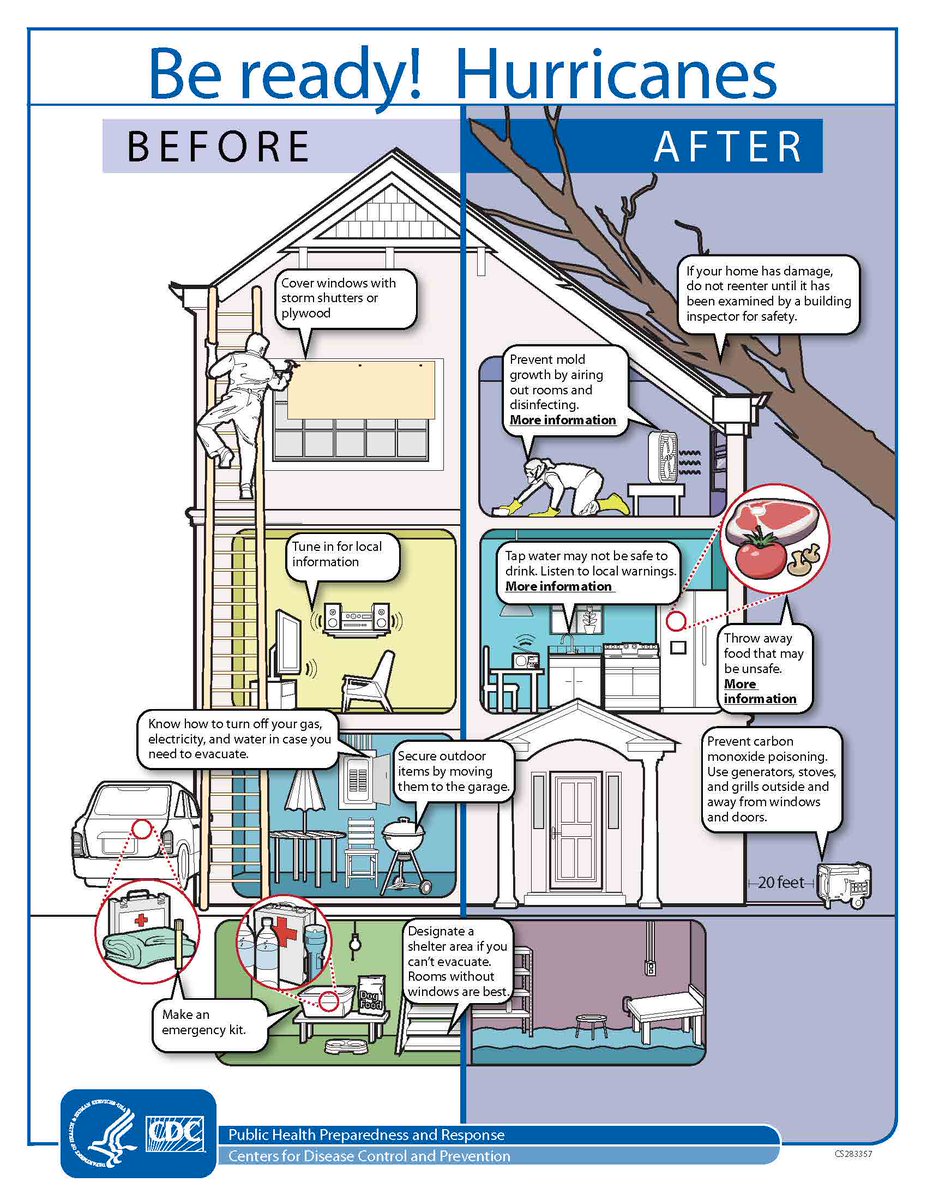
Be prepared. Tropical storm force winds possible for late Friday & Saturday


Spike in disease-bearing mosquitos

Approaching peak season - take precautions

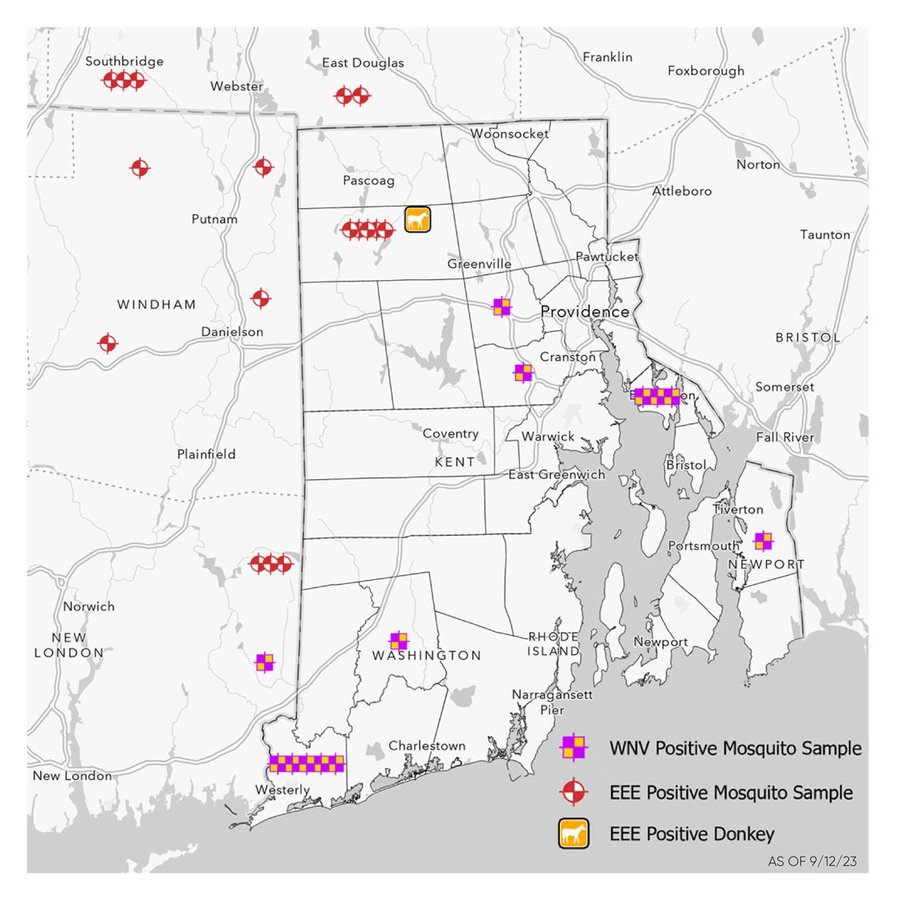
The Department of Environmental Management (DEM) and Rhode Island Department of Health (RIDOH) are announcing that two mosquito samples collected Sept. 5 from a trap in Glocester tested positive for Eastern Equine Encephalitis (EEE) and that mosquito samples from five communities — Barrington, Johnston, Richmond, Tiverton, and Westerly — tested positive for West Nile Virus (WNV) also collected Sept. 5. RIDOH State Health Laboratories confirmed the findings after testing 176 mosquito samples collected from 31 traps set statewide by DEM Sept. 5.

Rhode Island’s EEE and WNV risk level is now considered high. Humans can only contract these diseases through a bite from an infected mosquito. 

RIDOH and DEM are issuing a heightened public health warning that it is a particularly active mosquito season, both EEE and WNV are likely present in mosquitoes statewide, and Rhode Islanders should continue protecting themselves and their loved ones from mosquito bites until the first hard frost of autumn. 

DEM and RIDOH gratefully acknowledge the US Centers for Disease Control (CDC) for sending an employee to Rhode Island to assist in trapping mosquitoes and surveillance efforts.

To date, Rhode Island reports five positive EEE mosquito samples — all collected in Glocester — one EEE case in a mammal (a donkey in Glocester that was announced Sept. 7), and 11 WNV findings: five in Westerly, two in Barrington, and one each in Cranston, Johnston, Richmond, and Tiverton.

How Cold Temperatures Boost Appetite

New Discovery Could Lead to Improved Weight Loss Treatments

By SCRIPPS RESEARCH 

Scientists from Scripps Research have made a breakthrough that could pave the way for new weight loss and metabolic health therapies.

When exposed to cold temperatures, mammals instinctively burn more energy to keep their body temperature stable. This surge in energy usage prompts an increase in appetite and feeding although the specific mechanism controlling this is unknown.

Neuroscientists at Scripps Research have now pinpointed the brain circuits responsible for this increased appetite during low temperatures.

In the new study, recently published in the journal Nature, the researchers identified a cluster of neurons that work as a “switch” for this cold-related, food-seeking behavior in mice. The discovery could lead to potential therapeutics for metabolic health and weight loss.

Will these problems blow over?

What do Orsted’s financial problems mean for Rhode Island’s stake in offshore wind?

By Nancy Lavin, Rhode Island Current

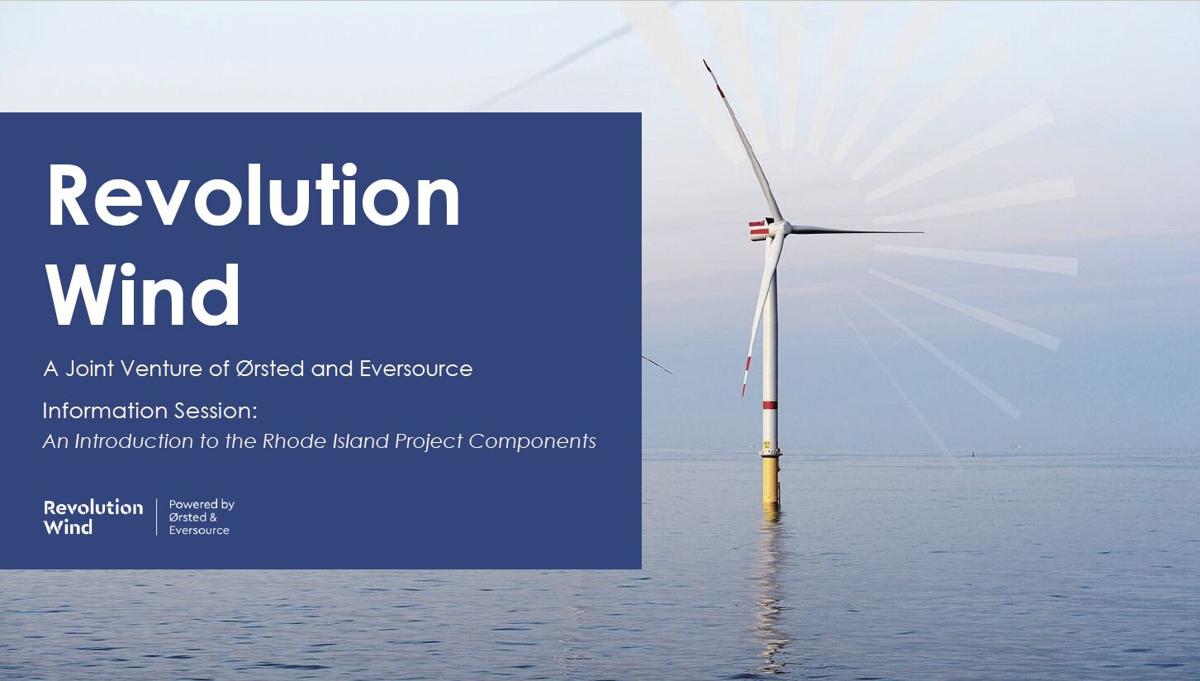
Photo Courtesy of Revolution Wind
Orsted A/S, the offshore wind developer anchoring Rhode Island’s place in the industry, is facing rough seas.

The Danish wind giant said in an Aug. 29 announcement that it may write off $2.3 billion in its upcoming, third-quarter earnings. 

The warning, on the heels of the company’s  $87.8 million second-quarter loss, comes as supply chain slowdowns and interest rate hikes hamper a trio of East Coast projects, including the Revolution Wind project that will power Rhode Island. 

At best, costs are going up and schedules are behind, with the Ocean Wind project planned for New Jersey, now delayed from 2025 to 2026, executives said. 

At worst, the company may abandon the project altogether.

Tuesday, September 12, 2023

Consider: Rhode Island taxes bicycles, skateboards but not yachts, powerboats

Our tax policies punish environment, public health and low-wealth families

By Frank Carini / ecoRI News columnist

Not taxed in RI
Taxes are vital to democracy, but it is time we start spreading the burden justly. State and federal government needs to stop shaking down low-wealth families and blue-collar workers, unless they are buying a gas-guzzling vehicle or a backpack that blows leaves around.

For all the attention the income tax receives, the tax burden for most Americans comes primarily from payroll taxes, not income taxes, according to a 2019 report by the Joint Committee on Taxation.

Taxed
Americans with less than five-figure incomes pay an effective payroll tax rate of 14.1%, while those making seven-figure incomes or more pay just 1.9%, according to the Center for American Progress.

Most states make their low-wealth residents contribute a greater share of their income to taxes than their wealthy ones. Nationwide, the share the lowest-income earners pay to state and local taxes is 54% higher than what the top earners pay, according to the Institute on Taxation and Economic Policy.

It’s time we get creative, and fairer — for human and environmental health and humankind’s future — when deciding how and what we tax. We need to switch the tax onus away from things that don’t pollute and waste resources to things that do.

We can start by taxing the utterly useless so heavily that we no longer make plastic shower curtains with pockets for electronic devices so we can read emails and text messages in the shower; miniature leaf blowers designed as mini-dust blowers, to keep keyboards and computer areas clean; dog selfie sticks; plastic cups to hold hamburgers; perfume that smells like dirt; and K-Cups.

Most of this hogwash is made of polluting plastic. We’re extracting, transporting, and burning fossil fuels to manufacture rubbish. We’re devouring the planet for cheap laughs and frivolous convenience.

We should provide a tax break for those who don’t own a vehicle. Also, stop taxing bicycles, skateboards, in-line skates, and walking shoes.