
Monday, July 3, 2023

NOAA, URI sign agreement to explore effects of offshore wind energy development
Partnership to help offshore wind energy operations occur in a healthy, functioning ocean ecosystem
 |
| A small vessel near wind turbines off Rhode Island. Credit: URI Coastal Resources Center |
NOAA’s Northeast Fisheries Science Center and the University of Rhode Island have signed a 5-year formal partnership agreement to research how offshore wind energy development will affect marine ecosystems and the people who live near, or work on, the ocean.
“Our science center and URI bring a deep bench of
scientific expertise and experience in oceanography, marine life, fisheries,
and coastal communities,” said Jon Hare, who leads the center. “I am delighted about
this opportunity to leverage our capabilities to better understand the
interactions between offshore wind development and marine ecosystems.”
Under the agreement, the multidisciplinary approach will
focus on understanding these complicated relationships on an ecosystem level.
For example, an early project under the agreement is to create an integrated
ecosystem assessment for the Gulf of Maine, linking fishing, the
environment, and offshore wind energy development.


Boosting Rhode Island biotech
Reed Delivers $1.2 million to Strengthen RI Biotech & Life Sciences Workforce
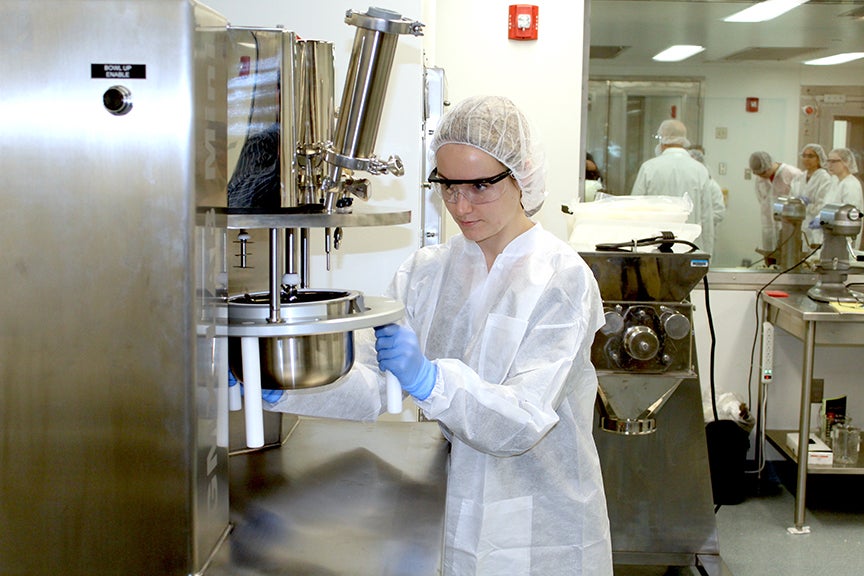
A URI College of Pharmacy student learns to use the advanced
equipment in the clean laboratories of the URI
Pharmaceutical Development Institute.
Senator Reed delivered a $1,212,000 federal earmark to support facility and
equipment upgrades for URI’s Pharmaceutical Development Institute (URI PDI) to
strengthen teaching and training programs.
3 myths about immigration in America
From its founding to today, immigrants have built America
April Nisan Ilkmen, Adler University
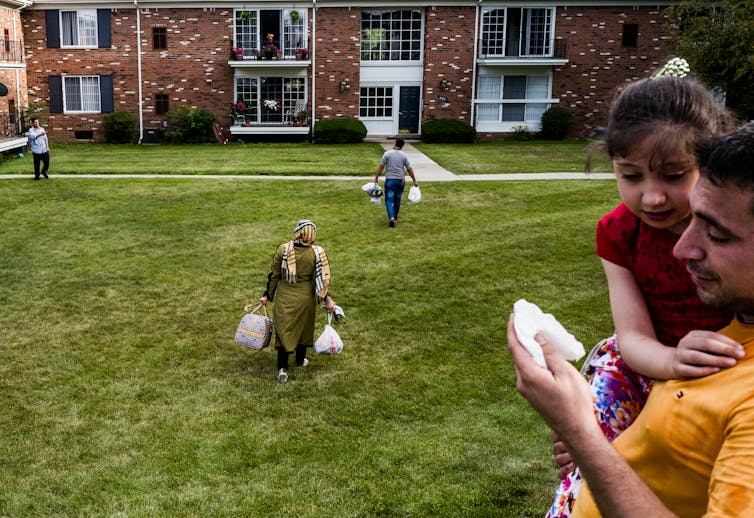 |
| A family of Syrian refugees arrive at their new home in Bloomfield, Mich., in 2015. Andrew Renneisen/Getty Images |
Yet migration is an actively debated but poorly understood topic, and much of the conventional thinking and political rhetoric about migration are based on myths, rather than facts.
For these reasons, migration policies and strategies for easing acculturation – which refers to the psychological process of assimilating to a new culture – usually end up being ineffective.
I often work with immigrant populations in my job as a family therapist and as an acculturation scholar.
Here are a few of the most common misconceptions I come across in my work.
Sunday, July 2, 2023


Wind farm noise exposure doesn't wake people up from their slumber more than road traffic noise
It could be worse. A lot worse.
Flinders University
.webp)
But importantly, the
new study also shows that wind farm noise isn't more disruptive to sleep than
road traffic, which was a little more disruptive at the loudest audio level but
not at more common levels.
Sleep researchers at
Flinders University have studied the impact of exposure to wind farm noise
during sleep in three new scientific publications to better understand its
impact on Australians.
The study played 20-second wind farm and road traffic noise samples repeatedly during participants sleep using 3 different sound pressure levels to compare their sleep disruption responses between the two different noise types.
On a separate night,
the study tested if longer 3-minute noise samples, including very low-frequency
wind farm infrasound alone, resulted in sleep disturbance.
The researchers also
found that wind farm infrasound at realistic levels was not audible to the
human ear during wake and produced no evidence of sleep disruption. These
findings were presented at the International conference on Wind Farm
Noise in Dublin on June 22, 2023 and are still to be journal peer
reviewed.
Chemicals do make you fat
Researchers and clinicians acknowledge the role of chemicals in spurring obesity
Jerrold J. Heindel and Sarah Howard for the Environmental Health News

What happened?
Healthy Environment and Endocrine Disruptor
Strategies (HEEDS) — a program of Environmental Health Sciences, which
publishes EHN.org — hosted a workshop last fall on obesogens, environmental
chemicals that could interfere with our bodies hormones, increasing the
likelihood of weight gain.
Scientists examining the role of obesogens
have been frustrated by the lack of interest, understanding and impact of their
work by other obesity researchers, who have largely focused on the role of diet
and exercise in weight gain. Thus, HEEDS developed a two-day workshop inviting
clinicians to meet with obesogen researchers and discuss the causes of obesity
with a focus on obesogens.
Do you really need surgery on your legs?
Blocked Artery in Your Leg? Here’s What You Should Know.
by Annie Waldman for ProPublica
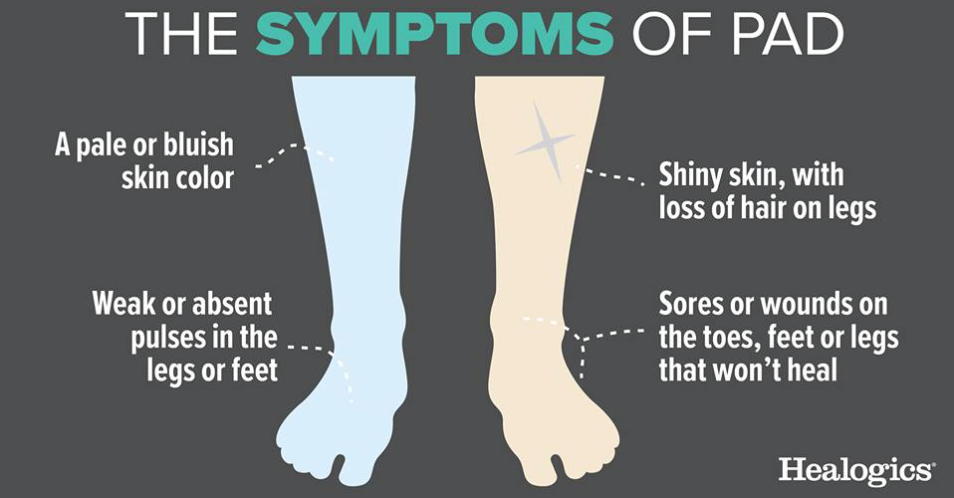
Often, the first symptom they feel is leg pain. Experts say that most treatments are safe, but some have expressed a growing sense of alarm that doctors may be doing procedures that patients don’t need, exposing them to unnecessary risks.
ProPublica looked into artery procedures and found that some doctors are making millions of dollars doing a questionable number of treatments. Government insurers pay well for vascular procedures that are done outside of hospitals, and doctors can bill tens of thousands of dollars for treatments done in a single office visit.
One doctor in Maryland made millions of dollars from the federal government for performing thousands of vascular procedures. A state medical board investigation found that his inappropriate treatments put patients at risk of serious harm.
One man had to have his leg amputated after invasive treatments for mild pain, according to filings in a settled lawsuit. A grandmother bled out and died shortly after the same doctor cut into her, according to another ongoing lawsuit. The doctor denied the allegations in legal filings, but declined to be interviewed and did not respond to emailed questions.
Some doctors worry about the overuse of procedures and think there should be more oversight. They compare outpatient vascular care to the Wild West and say there are not enough protections to stop patients from getting unnecessary treatments.
We made this guide to help patients ask the right questions and get good health care. This article is not intended as medical advice, so it’s important to speak with your own doctor and use other resources before you make any decisions.
Saturday, July 1, 2023
All travelers, whether migrants or billionaires, deserve rescue.
Response to Titan and Adriana Disasters Reveals a Titanic Disparity
DENIS MOYNIHAN and AMY GOODMAN in Common Dreams

Passengers on the Titan were wealthy; two were billionaires. Each had paid $250,000 for an adventure of a lifetime, a deepsea dive to view the wreckage of the Titanic, the “unsinkable” passenger liner that sank in 1912 after hitting an iceberg.
Those crammed onto the
ramshackle Adriana fishing boat were seeking not adventure but refuge from war,
poverty, climate change, or any of the many other life-threatening crises that
force people to flee their homes with little more than the clothes on their
back. They paid human traffickers to ferry them from Libya to Europe.
Perhaps the most notable difference between these two disasters was how the world responded to them. Governments immediately spent millions mounting a search and rescue operation to find the Titan, submerged somewhere in the north Atlantic, deep below an area twice the size of Connecticut.

Meanwhile, in Greece, officials knew the
exact location of the overcrowded, disabled Adriana. Shocking details are now
emerging of its sinking on June 14. First-hand accounts, reported in El
País, suggest the Greek Coast Guard could have saved the doomed vessel’s
400-750 passengers, but opted not to.

URI oceanography professor’s computer modeling system to help keep R.I. officials ahead of strong storms
RI-CHAMP provides real-time information to emergency managers, facility operators
By Tony LaRoche
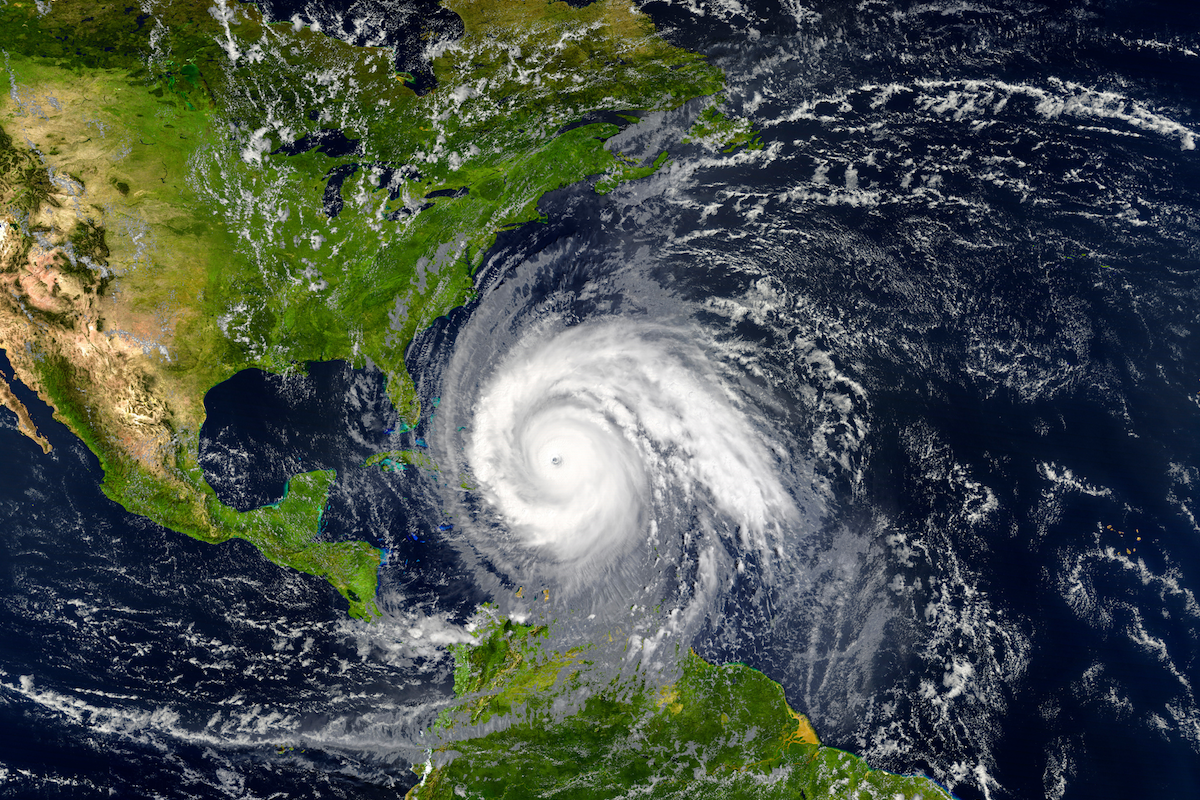
With hurricane season just starting, Rhode Island has a new storm modeling system that will provide state and local emergency management officials with up-to-the-second information on wind strength and flooding to allow them to make real-time decisions.
The Rhode Island Coastal Hazards, Analysis, Modeling, and
Prediction (RI-CHAMP) system, developed by University of Rhode Island
oceanographer Isaac Ginis with a team of colleagues and students at URI, will
be fully operational for the first time this season.
Skip the fries before bedtime
New Research Reveals That Junk Food May Disrupt Deep Sleep
By UPPSALA
UNIVERSITY

The findings were recently published in the
journal Obesity.
Several epidemiological studies have
established a link between diet and alterations in our sleep patterns. However,
the direct influence of diet on sleep has been explored by only a few studies.
One way to do that is to have the same participant consume different diets in a
randomized order.
Subscribe to:
Posts (Atom)